Integrating padel mental strategies for game confidence is crucial for success on the court. This guide delves into the world of mental fortitude, exploring how mastering psychological aspects like focus, resilience, and self-talk can significantly enhance your padel performance. Understanding the link between mental and physical prowess is key to unlocking your full potential.
From identifying factors impacting game confidence to implementing practical strategies, we’ll cover everything from pre-match routines to mindfulness techniques. Learn how to manage pressure, utilize visualization, and set achievable goals to boost your self-belief and dominate your matches.
Understanding Padel Mental Strategies
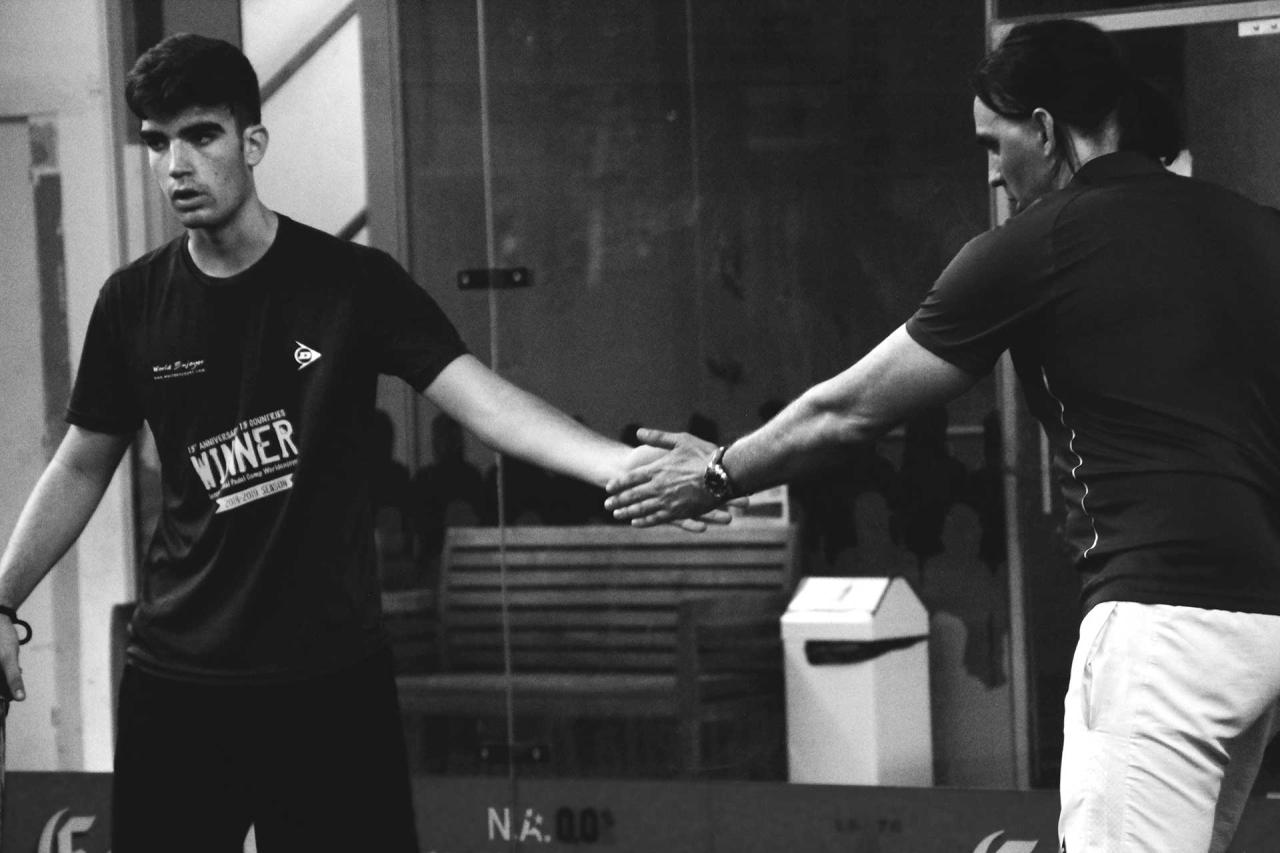
Padel, a fast-paced and engaging sport, demands a strong mental game alongside physical prowess. Mastering mental strategies is crucial for consistently high performance and enjoying the game. This section delves into the psychological aspects of padel, highlighting the connection between mental fortitude and physical execution.Effective padel players are adept at managing their thoughts and emotions during matches. This encompasses a wide range of psychological skills, from maintaining focus under pressure to bouncing back from setbacks.
The mental strategies explored here will equip you with the tools to optimize your performance and elevate your enjoyment of the sport.
Key Psychological Aspects of Padel Performance
Mental strategies in padel encompass various psychological aspects, all working together to optimize performance. These are essential for successful play.
- Focus and Concentration: Maintaining laser-like focus on the game, despite distractions like opponent’s tactics or the crowd, is crucial. This involves a deliberate effort to block out extraneous thoughts and maintain a sharp awareness of the present moment.
- Resilience and Mental Toughness: Padel matches are often filled with unexpected turns and setbacks. Resilience is the ability to bounce back from errors, stay composed during tough points, and maintain a positive outlook despite adversity. Examples include recovering from a missed shot or a tough game.
- Self-Talk and Positive Affirmations: The internal dialogue you have with yourself significantly impacts your performance. Positive self-talk can boost confidence and motivate you to perform at your best. This could involve encouraging phrases like “I can do this” or “I’m in control.”
- Emotional Regulation: Managing emotions, such as frustration or anxiety, is paramount. Understanding your emotional responses and employing techniques to control them is essential for staying composed and focused. This can include recognizing signs of stress and employing relaxation strategies.
Connection Between Mental and Physical Performance
The connection between mental and physical performance is undeniable in padel. A strong mental game allows players to tap into their full physical potential.
“Mental toughness is the ability to control thoughts and feelings to maximize performance under pressure.”
Positive self-talk and emotional regulation can translate into better physical execution, while maintaining focus and resilience helps players execute their game plan even when faced with challenges. Conversely, poor mental strategies can hinder physical performance, causing players to lose concentration and make errors.
Comparison of Mental Strategies Across Sports
Analyzing mental strategies used in other racquet sports can offer valuable insights into how they apply to padel.
| Sport | Key Mental Strategies | Application to Padel |
|---|---|---|
| Tennis | Focus, resilience, tactical awareness | Tennis strategies of anticipating opponent’s moves and maintaining focus on the next point are valuable in padel. |
| Squash | Short-term memory, intense focus, pressure management | Squash’s emphasis on short-term memory and managing pressure translates to quick decision-making and composure in padel. |
| Badminton | Quick reflexes, precise movements, decisive actions | Badminton’s fast-paced nature and precision align with the quick thinking and tactical awareness needed in padel. |
| Table Tennis | Mental alertness, quick reactions, anticipation | Table tennis’s mental agility and quick reactions are essential for anticipating opponent’s shots and responding swiftly in padel. |
Identifying Game Confidence in Padel

Game confidence in padel, like in any sport, is a crucial factor influencing performance. It’s not just about believing you’ll win; it’s about the feeling of competence and the expectation of success in specific situations. Understanding what fuels this confidence, and what can undermine it, is key to maximizing your padel potential. This section delves into the concept of game confidence in padel, exploring factors that impact it and showcasing how it manifests in different playing scenarios.Game confidence isn’t a fixed trait.
It’s dynamic, influenced by various internal and external elements. It’s not just about talent; it’s about a player’s ability to manage their mental state during a match, draw on past experiences, and anticipate future outcomes. A player with high game confidence often performs better under pressure, making smart decisions, and staying focused, while a player with low game confidence might struggle with these aspects.
Factors Contributing to Game Confidence
A strong foundation of game confidence in padel stems from several interconnected factors. These include past successes, consistent practice, a positive attitude, and a strong support system. Players who have successfully navigated challenging matches in the past often feel more confident in their abilities to handle similar situations.
- Past Successes: Winning matches, even small victories, build confidence. Each win reinforces the belief in one’s capabilities. A string of losses, conversely, can erode confidence, requiring a proactive approach to rebuilding it through focused practice and a positive mindset.
- Consistent Practice: Regular practice, incorporating drills and match simulations, builds skill and competence. This leads to a feeling of mastery and control over the game, boosting confidence.
- Positive Attitude: A player with a positive mindset tends to approach challenges with a proactive and optimistic outlook. This translates to greater resilience in the face of adversity and fosters a belief in their potential to succeed.
- Strong Support System: Coaches, teammates, and family can all contribute to a player’s confidence. Constructive feedback, encouragement, and a supportive environment can bolster a player’s self-belief.
Factors Detracting from Game Confidence
Several factors can hinder a player’s game confidence. These range from negative self-talk to a fear of failure.
- Negative Self-Talk: Constant self-criticism and negative thoughts can erode confidence. This internal dialogue needs to be consciously monitored and re-framed to be more positive and encouraging.
- Fear of Failure: The fear of not performing up to expectations can lead to anxiety and self-doubt, hindering a player’s ability to execute their game plan effectively.
- Lack of Preparation: Insufficient preparation, including inadequate training or not reviewing game strategies, can lead to a sense of unpreparedness, thus impacting game confidence.
- Poor Physical Conditioning: Physical limitations can create doubt and affect a player’s ability to perform at their best, potentially lowering confidence.
Impact of Game Confidence on Performance
Game confidence significantly impacts a player’s performance on the court.
- High Game Confidence: A player with high game confidence approaches matches with a sense of expectation and control. They are more likely to make decisive shots, maintain composure under pressure, and adapt to changing situations.
- Low Game Confidence: A player with low game confidence might struggle with making quick decisions, may become overly cautious, and may experience anxiety during crucial moments of the match. This can lead to missed opportunities and decreased performance.
Levels of Game Confidence and Corresponding Behaviors
The following table illustrates different levels of game confidence and their corresponding behaviors.
| Level of Game Confidence | Behaviors/Actions |
|---|---|
| High | Confident, decisive, focused, resilient, proactive, and adaptable. |
| Medium | Balanced approach, some confidence, moderate focus, but potential for anxiety or hesitation in high-pressure situations. |
| Low | Hesitant, anxious, indecisive, easily distracted, and lacking in resilience. |
Integrating Strategies for Enhanced Confidence
Boosting your padel game confidence isn’t just about physical skills; it’s a crucial mental aspect. Integrating mental strategies into your practice and match routines can significantly improve your performance and enjoyment. This section delves into practical methods for incorporating mental strategies, designing a structured program, and utilizing visualization and positive self-talk to enhance game confidence.Understanding how your mind impacts your body is key.
By consciously employing mental strategies, you can shift your focus from anxiety and doubt to a state of calm confidence, enabling you to perform at your peak.
Methods for Integrating Mental Strategies into Padel Practice Routines
Effective integration of mental strategies into your practice routine is vital for translating mental strengths into tangible improvements on the court. This involves incorporating mental exercises into your warm-up, drills, and game simulations. For example, you could spend a few minutes visualizing successful plays before each practice session.
- Warm-up Visualization: Start each practice session with 5-10 minutes of visualizing successful shots, rallies, and match outcomes. Focus on the feeling of confidence and control during these visualizations. This sets a positive mental tone for the entire session.
- Drill Focus: During drills, concentrate on specific mental skills like maintaining composure under pressure, managing distractions, and focusing on the present moment. For instance, if you struggle with rushing your shots, visualize a slow, controlled swing in your mind during each practice drill.
- Game Simulation: Incorporate simulated match situations into your practice. This allows you to practice dealing with game pressure, and learn to adapt your mental approach to various match scenarios. For example, practicing return strategies and adjusting to different opponents’ styles.
Structured Program for Developing Game Confidence in Padel Players
A structured program offers a systematic approach to enhance game confidence. This program should be tailored to individual needs and progress. The key is consistency and a gradual increase in the difficulty of mental challenges.
- Baseline Assessment: Evaluate current levels of confidence and identify specific areas for improvement. Consider using self-assessment questionnaires or feedback from coaches.
- Progressive Challenges: Introduce mental exercises gradually, starting with simple visualization and positive self-talk. Increase the complexity and pressure of drills and simulations over time.
- Regular Monitoring: Track progress by recording self-assessments and feedback from coaches and teammates. Adjust the program based on individual responses and performance data.
- Goal Setting: Establish short-term and long-term goals related to both physical and mental aspects of the game. This will help keep you motivated and focused on progress.
Visualization Techniques for Building Game Confidence
Visualization is a powerful tool for building game confidence. It allows you to rehearse successful plays and outcomes in your mind, effectively creating a positive mental image of success. Regular practice of visualization techniques can foster a feeling of preparedness and control.
- Sensory Detail: Engage all five senses during visualization. Imagine the sights, sounds, smells, textures, and tastes associated with successful plays.
- Emotional Connection: Visualize feeling confident, focused, and in control during the match. Connect with the emotions of success and accomplishment.
- Repetition and Consistency: Practice visualization regularly, ideally daily, for optimal results. The more you practice, the stronger the mental image will become.
Incorporating Positive Self-Talk into Padel Training Sessions, Integrating padel mental strategies for game confidence
Positive self-talk plays a significant role in maintaining confidence and motivation during training and matches. Replacing negative thoughts with positive affirmations can significantly impact performance. Use this technique during practice drills and actual matches.
- Identify Negative Patterns: Recognize negative self-talk patterns and replace them with positive affirmations. For instance, instead of “I can’t do this,” try “I can handle this challenge.”
- Focus on Strengths: Highlight personal strengths and abilities. This can help build confidence and resilience. For example, “I’m a strong returner, I can anticipate the shot.”
- Use Encouragement: Use positive reinforcement during practice and matches. Encourage yourself and others to maintain a positive attitude.
Step-by-Step Process for Implementing Mental Strategies During Matches
A structured approach to implementing mental strategies during matches is essential. This will help you stay focused and maintain your confidence.
| Step | Action | Example |
|---|---|---|
| 1 | Pre-Match Preparation | Visualize successful shots and rallies, use positive self-talk |
| 2 | During the Match: Focus | Stay present, focus on the next shot, avoid dwelling on past mistakes |
| 3 | Handling Pressure | Use deep breathing techniques to manage anxiety, employ visualization for regaining focus |
| 4 | Post-Match Review | Analyze performance, identify areas for improvement, focus on positive aspects |
Practical Application and Techniques
Putting mental strategies into action is key to transforming game confidence. This section delves into practical applications, equipping you with tools to manage pre-match nerves, navigate match pressure, and maintain focus on the court. By understanding and implementing these techniques, you can elevate your performance and achieve your padel goals.Effective padel performance is significantly influenced by mental fortitude.
The ability to control emotions, maintain focus, and set realistic goals directly impacts your confidence and gameplay. This section provides actionable steps to integrate mental strategies into your padel routine, enhancing your overall experience and results.
Pre-Match Routines for Enhanced Confidence
Pre-match routines are crucial for building game confidence. Structured routines create a sense of control and calm before the match, helping you focus on the present moment and reduce pre-match anxiety. A well-designed routine can set a positive tone for the entire match.
- Establish a consistent routine: This routine should include activities like light exercise, stretching, visualization, and relaxation techniques. Consistency helps your body and mind anticipate the match and prepare mentally. Example: Ten minutes of light cardio followed by five minutes of dynamic stretching, visualization of successful shots, and deep breathing exercises.
- Focus on positive self-talk: Replace negative thoughts with positive affirmations. This helps to build confidence and reduces self-doubt. Example: Instead of “I’m going to miss this shot,” say “I’m going to place this shot perfectly.”
- Visualize success: Mentally rehearse successful plays and strategies. Visualizing yourself executing your game plan boosts confidence and reduces anxiety. Example: Visualize yourself executing a perfect volley, returning a difficult shot, or winning a crucial point.
Managing Anxiety and Pressure During Matches
Match pressure is inevitable in padel. Developing strategies to manage anxiety and pressure is crucial for maintaining composure and playing at your best. Recognize that pressure is a natural part of the game, and focus on strategies to navigate it effectively.
- Deep breathing exercises: In moments of high pressure, deep breathing can help calm the nervous system. Slow, deep breaths regulate heart rate and reduce anxiety. Practice these techniques regularly to make them automatic responses during tense moments.
- Focus on the present: Avoid dwelling on past mistakes or worrying about future outcomes. Instead, focus on the present point, shot, and your immediate strategy. Example: During a tense rally, remind yourself to focus on your footwork and positioning, not on the score or the opponent.
- Positive self-talk: Continue using positive self-talk to counteract negative thoughts. This mental fortitude helps you maintain focus and confidence during challenging moments. Example: If you make a mistake, say “Next shot is my chance to improve.”
Mindfulness Techniques for Maintaining Focus
Mindfulness practices can enhance focus and concentration during padel matches. Mindfulness allows you to observe your thoughts and emotions without judgment, improving your ability to stay present and in control. Incorporate these techniques into your pre-match routine and during the match.
| Mindfulness Technique | Padel Application |
|---|---|
| Body Scan Meditation | Focus on sensations in your body, releasing tension in muscles that might be holding stress. |
| Mindful Breathing | Pay attention to the breath entering and leaving the body. This can help anchor you to the present during rallies. |
| Mindful Movement | Pay attention to the sensations of your body during your footwork and movements. This can enhance your awareness and control during the game. |
Goal Setting and its Influence on Game Confidence
Setting specific, measurable, achievable, relevant, and time-bound (SMART) goals is vital for enhancing game confidence. These goals provide direction and motivation, creating a roadmap to improvement. They provide a tangible measure of progress and boost confidence as you achieve milestones.
- Specific goals: “Improve my serve accuracy by 10%.” Avoid vague goals like “improve my game.”
- Measurable goals: Track your progress towards your goals. How will you measure your improvement in serve accuracy?
- Achievable goals: Set goals that challenge you but are realistic. Don’t try to become a top player overnight.
- Relevant goals: Align your goals with your overall padel objectives. Do they contribute to your desired level of play?
- Time-bound goals: Set deadlines for achieving your goals. This provides structure and motivation.
Case Studies and Examples: Integrating Padel Mental Strategies For Game Confidence
Integrating mental strategies for padel isn’t just about theoretical knowledge; it’s about applying those strategies effectively in real-world scenarios. This section delves into practical case studies, demonstrating how different mental strategies can be employed in various padel situations. It also addresses common challenges and emphasizes the importance of personalization in the integration process.Real-world examples are crucial for understanding how mental strategies translate to improved game confidence and performance.
A key aspect of this process is understanding how these strategies can be tailored to specific player needs and situations. This section will also showcase how successful integration often involves overcoming obstacles and adapting to unique circumstances.
Case Study: “Maria’s Journey to Confidence”
Maria, a seasoned padel player, was struggling with confidence during crucial points. She often froze under pressure, leading to missed shots and lost matches. She recognized the need for mental strategies and, with the help of a coach specializing in padel mental training, implemented techniques like visualization and positive self-talk. Through consistent practice, Maria learned to focus on her strengths, anticipate opponent moves, and maintain composure.
The result? Maria significantly improved her game confidence and consistently performed well under pressure, resulting in a noticeable increase in her win rate.
Application of Mental Strategies in Padel
Mental strategies aren’t a one-size-fits-all solution. Their application must be adapted to the specific padel situation. This section explores how different strategies can be used in various game contexts.
- Crucial Points: During crucial points, players can use techniques like anchoring (returning to a mental state of calm) and focusing on their breath. Positive self-talk, visualizing successful plays, and recalling previous successful strategies can also prove effective.
- Match Pressure: High-pressure matches often trigger anxiety. Players can manage this by focusing on controllable factors (their own actions), practicing relaxation techniques, and employing positive self-talk. Visualizing successful outcomes and maintaining a consistent routine are also valuable strategies.
- Opponent’s Strengths and Weaknesses: Understanding and strategizing around an opponent’s strengths and weaknesses can build confidence. Players can use this awareness to create opportunities and maintain a positive mindset throughout the match.
Challenges in Integrating Mental Strategies
Integrating mental strategies is not always seamless. Players may encounter various challenges.
- Lack of Awareness: Some players may not fully understand the importance of mental strategies, making it difficult to integrate them into their routine.
- Consistency: Implementing mental strategies consistently throughout a match is crucial. Players may struggle to maintain focus and apply these techniques when under pressure.
- Overthinking: Overthinking can hinder performance. Players need to learn to focus on the present moment and not get caught up in potential outcomes.
Solutions to Overcome Challenges
Overcoming these challenges often involves a combination of strategies and support.
- Seeking Professional Guidance: Consulting a coach or mental performance specialist can provide personalized strategies and support in integrating mental strategies.
- Practice and Repetition: Consistent practice of mental techniques, like positive self-talk or visualization, is essential for building muscle memory and applying them effectively during matches.
- Self-Reflection and Analysis: Identifying specific triggers and situations where mental strategies are needed can improve awareness and help in implementing solutions.
Importance of Personalized Approaches
A personalized approach is paramount for effective mental strategy integration. Strategies must be tailored to the individual player’s needs, strengths, and weaknesses.
- Understanding Individual Needs: Players’ personalities, experiences, and learning styles differ. Strategies need to be customized to align with these unique characteristics.
- Tailoring Strategies to Specific Situations: Mental strategies must be adaptable to different game situations and match contexts. What works during crucial points may not work during a lull in the match.
Padel Scenarios and Mental Strategies
This table illustrates how different mental strategies can be applied in various padel scenarios.
| Padel Scenario | Corresponding Mental Strategy |
|---|---|
| Crucial Point, Opponent’s Serve | Visualization of successful return, Positive self-talk, Deep breathing |
| Match Pressure, Losing Streak | Focus on the present moment, Relaxation techniques, Recalling past successes |
| Difficult Shot, Low Confidence | Positive self-talk, Visualization of the successful shot, Anchoring |
| Opponent’s Aggressive Play | Focus on controlled responses, Strategic anticipation, Maintaining composure |
Measuring and Evaluating Progress
Assessing the effectiveness of integrated mental strategies is crucial for refining techniques and maximizing their impact. Tracking progress allows adjustments to be made, ensuring players are continuously improving their game confidence and performance. This section details methods for measuring progress, emphasizing the importance of feedback and quantifiable metrics.
Methods for Evaluating Effectiveness
Evaluating the effectiveness of integrated mental strategies requires a multifaceted approach. Direct observation of players on the court provides valuable insights into their application of learned strategies. This includes noting changes in their body language, pre-shot routines, and overall demeanor during matches. Additionally, coaches can use structured observation checklists to objectively track these behaviors, ensuring consistency and reliability in data collection.
Interviews and questionnaires can provide further insights into players’ perceptions of their confidence levels and the impact of the strategies on their game.
Role of Feedback in Adjusting Strategies
Feedback is an essential component in optimizing the effectiveness of mental strategies. Constructive feedback, provided promptly and specifically, allows players to understand areas where they excel and those requiring improvement. This feedback should be delivered in a supportive and encouraging manner, fostering a growth mindset rather than fostering criticism. Coaches should utilize regular check-ins to discuss progress, identify challenges, and adjust strategies based on individual needs and performance.
Consistent and well-timed feedback is vital for ensuring that strategies remain relevant and effective throughout the training process.
Metrics to Track Improvements in Game Confidence
Several metrics can be employed to quantify improvements in game confidence. A standardized pre- and post-training confidence scale can be used to assess changes in confidence levels. This scale, which should be tailored to the specific sport and context, could incorporate questions about feelings of preparedness, self-belief, and expectations of success. Tracking match performance statistics, like winning percentage, number of successful shots, and aggressive play, can offer a clear picture of the impact of mental strategies on physical performance.
Example of Pre-Post Analysis
A player, “Alex,” exhibited low confidence levels before integrating mental strategies. Using a pre-match confidence scale, Alex scored 6 out of 10. After 8 weeks of training, Alex’s confidence score rose to 8 out of 10. Analysis of match statistics revealed a significant increase in successful shots (25% improvement) and a reduction in unforced errors (15% decrease).
This illustrates the positive correlation between improved mental strategies and enhanced performance metrics.
Tools and Methods for Tracking Player Progress
| Tool/Method | Description | Example Application |
|---|---|---|
| Pre-Post Confidence Scale | Evaluates confidence levels before and after training. | Assessing player confidence on a scale of 1-10 before and after implementing visualization exercises. |
| Match Performance Statistics | Tracks key statistics like winning percentage, shots on target, and unforced errors. | Monitoring a player’s serve success rate and return points won throughout a season. |
| Observation Checklists | Provides structured and consistent methods for observing player behavior. | Observing a player’s pre-shot routine and body language during matches. |
| Player Interviews | Allows for open communication regarding the player’s experiences and feelings. | Conducting one-on-one sessions to discuss how specific mental strategies impact a player’s emotions during matches. |
Closing Notes
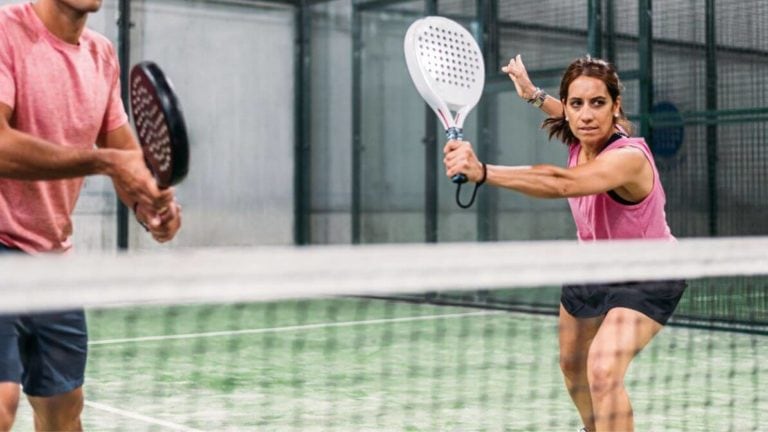
In conclusion, integrating padel mental strategies for game confidence is a journey of self-discovery and skill development. By understanding the connection between mind and body, and implementing practical techniques, you can transform your game. This guide provides a comprehensive framework for boosting your confidence, enabling you to excel on the court. Remember, consistency and practice are key to reaping the rewards of a stronger mental game.
Essential Questionnaire
What are some common mistakes players make when trying to improve their mental game?
Some players try to apply strategies without understanding their underlying principles, or they focus too heavily on one aspect without considering the others. It’s crucial to develop a balanced approach to mental game improvement.
How can I measure the effectiveness of these strategies?
Tracking metrics like pre-match anxiety levels, self-reported confidence, and match win/loss ratios can help gauge the impact of mental strategy implementation. A pre-post analysis can highlight improvements over time.
Are there specific exercises to build resilience in padel?
Resilience exercises can include mental rehearsals of challenging scenarios, positive self-talk drills, and practicing coping mechanisms for setbacks. Consistency is key.
How can I personalize these mental strategies for my playing style?
Personalizing mental strategies involves tailoring visualization techniques, positive self-talk, and pre-match routines to your individual strengths and weaknesses. A personalized approach leads to greater effectiveness.