Common padel mistakes beginners make and how to avoid them is crucial for a smooth learning curve. This guide dives into common errors, from grip and stance to footwork, ball striking, court positioning, strategy, and even equipment choices. Understanding these pitfalls is the first step to becoming a confident and successful padel player.
Mastering the fundamentals of padel, like proper grip techniques, a balanced stance, and effective footwork, is key to improving your game. This comprehensive guide will walk you through the common mistakes and offer actionable advice to avoid them, setting you up for a more enjoyable and rewarding experience on the court. We’ll explore essential strategies and tactics, from offensive plays to defensive maneuvers, to help you adapt to various playing styles and understand your opponents.
Introduction to Padel Mistakes
Padel is a racquet sport played on a court that’s smaller than a tennis court, enclosed by walls. It combines elements of tennis, squash, and badminton, creating a dynamic and engaging game. The key difference lies in the net, the shorter court, and the use of a solid front wall and back walls, which encourage more strategic play and often result in more volleys and shorter rallies.
This smaller court and unique playing environment presents a different set of challenges for beginners compared to other racquet sports.Beginners often struggle with adapting to the unique geometry of the padel court, the different ball trajectories, and the nuances of the sport’s strategy. Mastering the right shot placement and court awareness are crucial to success in padel. Understanding the proper equipment and its role in the game can help improve performance and enjoyment.
Common equipment includes a padel racquet, a padel ball, and appropriate clothing for the sport.
Common Initial Challenges in Padel
The unique features of padel present a set of challenges that beginners often face. These difficulties are distinct from those encountered in traditional racquet sports like tennis. Beginners may struggle with court awareness, strategic shot selection, and adapting to the smaller court.
- Court Awareness and Strategy: Padel courts are smaller than tennis courts. This forces players to be more aware of the court’s dimensions and boundaries, and to adjust their shot selection based on the position of their opponent. A lack of court awareness can lead to errors like hitting out or into the walls, impacting the flow of the game.This is in contrast to tennis, where the larger court allows for more freedom of movement and shot placement.
- Ball Trajectory and Spin: The padel ball has a unique bounce and flight path. The smaller court and the front and back walls also affect the ball’s trajectory in a manner different from tennis. Beginners might have difficulty anticipating the ball’s trajectory and adjusting their shots accordingly. The impact of the ball’s spin also plays a critical role in padel, which beginners may not be accustomed to from other sports.
- Adapting to the Smaller Court: The smaller court in padel requires players to be more aggressive in their play. They need to make quicker decisions and execute shots with more precision. The close proximity to the walls necessitates a different approach to shot selection and movement than in other racquet sports.
Equipment Overview
Understanding the equipment used in padel is important for beginners to improve their gameplay.
- Padel Racquets: Padel racquets are typically lighter and have a larger sweet spot than tennis racquets. They are designed for a more powerful and controlled feel, which can assist beginners in getting accustomed to the unique play style of padel.
- Padel Balls: Padel balls are typically softer and less bouncy than tennis balls. Their properties influence the speed and trajectory of the ball, which beginners must adjust to in their gameplay. This difference in ball properties impacts the pace and strategy of the game.
- Clothing: Comfortable and supportive clothing is essential for mobility and freedom of movement. Appropriate footwear for court surfaces is also crucial for both safety and performance.
Comparison of Padel Mistakes with Tennis
| Padel Mistake | Tennis Counterpart | Key Difference |
|---|---|---|
| Hitting the front wall unintentionally | Hitting the net | Padel involves more interaction with walls; tennis primarily focuses on the net. |
| Poor court awareness | Failing to anticipate the opponent’s position | Padel’s smaller court emphasizes quick reactions and strategic movement; tennis has more space. |
| Incorrect shot selection based on wall placement | Choosing an inappropriate shot based on opponent’s position | Padel’s wall interaction creates strategic opportunities and tactical challenges not present in tennis. |
Grip and Stance
Getting the right grip and stance is fundamental to playing padel effectively. A proper grip allows for controlled shots with the desired spin and power. A good stance provides stability and balance, enabling quick transitions and powerful swings. This section will detail common mistakes and offer correct techniques for both grip and stance.
Common Grip Mistakes
Beginners often struggle with grip consistency, leading to inconsistent shots and reduced power. Incorrect grip can affect shot trajectory and control. Some common errors include holding the paddle too tightly, gripping the paddle with an unnatural or weak grip, and using a grip that isn’t appropriate for the shot. These mistakes can hinder shot accuracy and power.
Correct Grip Technique
The grip technique for padel varies depending on the shot being played. A firm but relaxed grip is crucial for optimal control and power.
Forehand Grip
The forehand grip, a semi-western grip, is typically used for powerful shots. Imagine holding a tennis racket with a slight overlap of your fingers. The paddle’s handle should rest comfortably in your palm. This grip allows for a powerful, controlled swing, promoting a wide range of shot possibilities.
Backhand Grip
The backhand grip, usually a semi-eastern grip, is for controlling the shot’s trajectory. The hand positions itself similarly to the forehand, but with a different angle to allow for a different type of swing.
Volley Grip
The volley grip is typically an overlapping or a semi-western grip, allowing for quick responses and precise control during volleys. The hand positioning is similar to the forehand grip but with a more forward position for quicker and controlled responses.
| Shot | Grip Description |
|---|---|
| Forehand | Semi-Western, fingers overlap slightly. |
| Backhand | Semi-Eastern, hand position is similar to forehand but with a different angle. |
| Volley | Semi-Western or Overlapping, allowing for quick responses and precise control. |
Importance of a Balanced Stance
A balanced stance is essential for accuracy and power. A stable stance provides a solid base for generating power and directing shots with precision. It allows for quick transitions between shots, crucial for reacting to an opponent’s play.
Stance Variations
Different stances are suitable for various shots. The position of your feet and your body alignment directly affect your shot’s trajectory.
Forehand Stance
For a forehand shot, position your feet shoulder-width apart, with your dominant foot slightly ahead. This allows for a powerful swing. Your weight should be balanced over your feet to provide a solid foundation.
Backhand Stance
The backhand stance typically involves a slightly wider stance, with your non-dominant foot positioned slightly behind your dominant foot. This wider stance gives you more stability and allows for a more controlled shot.
Volley Stance
The volley stance is characterized by a narrower stance, with feet closer together. This allows for quick movements and reaction to the ball. Your weight should be balanced, and your knees slightly bent for agility.
| Shot | Stance Description |
|---|---|
| Forehand | Shoulder-width stance, dominant foot slightly ahead. |
| Backhand | Slightly wider stance, non-dominant foot slightly behind. |
| Volley | Narrower stance, feet closer together. |
Impact of Improper Stance
An improper stance negatively affects footwork and performance. It leads to instability, reduced power, and inaccurate shots. A poorly positioned stance can hinder the effectiveness of footwork during play, making it difficult to move quickly and efficiently to the ball. This will reduce overall performance and make it harder to react to your opponent’s shots.
Footwork and Movement
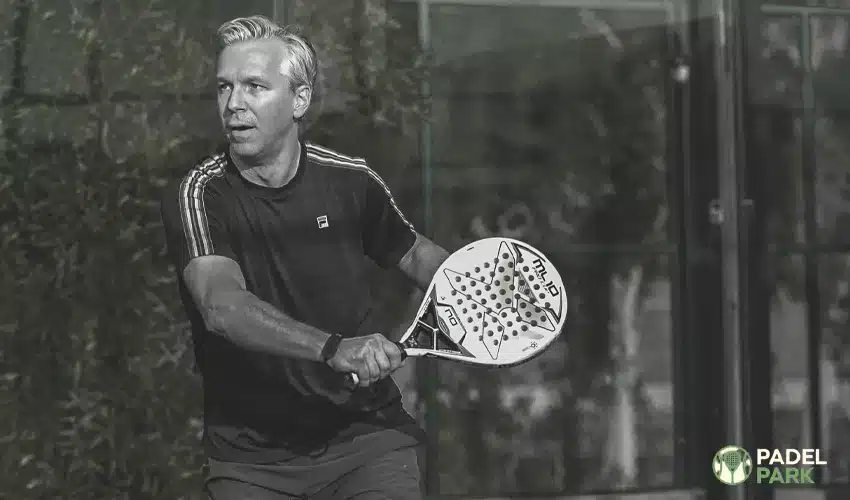
Mastering footwork is crucial for success in padel. A strong understanding of movement patterns and quick reflexes allows players to effectively cover the court, anticipate shots, and execute powerful returns. Efficient footwork directly impacts shot accuracy and court position, significantly influencing the outcome of a match. Understanding the nuances of footwork is key to developing a complete padel game.Proper footwork enables players to react swiftly to incoming shots, reach the ball in time, and execute well-timed volleys or smashes.
This agility and precision are fundamental for maintaining control of the game and achieving victory. Consistent and accurate movement is critical for success in padel.
Importance of Footwork in Padel
Effective footwork is paramount in padel. It dictates how quickly and efficiently you can reach the ball, execute shots, and cover the court. A strong footwork foundation translates to quicker reactions, improved shot accuracy, and better court coverage. This agility is vital for anticipating opponents’ shots and responding effectively. Players with excellent footwork are able to quickly transition between positions, creating more opportunities to win points.
Common Footwork Errors in Beginners
Beginners often make mistakes in their footwork, impacting their overall performance. Common errors include: taking large, unsteady steps; failing to maintain a balanced stance; and not utilizing a variety of footwork patterns to suit the shot. Poor footwork leads to wasted effort and reduced shot accuracy. Players should consciously focus on maintaining balance and using controlled movements.
Footwork Influence on Shot Execution and Court Coverage
Footwork directly influences the execution of shots. A stable and balanced stance is essential for power, accuracy, and shot control. Appropriate footwork patterns enable quick transitions between positions, allowing players to cover more of the court and react to various shot types. Footwork and court coverage are interconnected, and players should practice movements that allow them to be in the right place at the right time.
Effective Footwork Patterns for Different Shot Types
Different shot types require specific footwork patterns. For volleys, players should maintain a low center of gravity and use short, controlled steps to quickly reach the ball. For drives, a more powerful, decisive step is needed, allowing for greater distance coverage. Players must learn to adapt their footwork to the specific shot, ensuring efficient and accurate movement.
- For forehand drives: A slightly wider stance, with a powerful step forward with the dominant foot, followed by a step with the other foot to maintain balance. This approach allows for a powerful drive and quicker return to the center of the court.
- For backhand volleys: A quicker, more agile movement is needed, with a shorter step to reach the ball. The focus is on maintaining balance and a quick return to the center court position.
- For drop shots: A quick, controlled step towards the ball, combined with a quicker recovery step back to the original position. This pattern is crucial for the precision required for effective drop shots.
Tips for Improving Footwork and Movement on the Court
- Practice quick lateral movements, focusing on maintaining balance and control.
- Engage in agility drills to improve foot speed and quickness.
- Focus on using a variety of footwork patterns based on the type of shot.
- Develop anticipation of the opponent’s shot to position yourself for the next play.
- Practice controlled movements in a variety of directions.
Quick Reflexes and Anticipation in Padel
Quick reflexes and anticipation are essential in padel. Players must be able to react swiftly to incoming shots and anticipate the opponent’s next move. Anticipation allows for better positioning and quicker reactions, which translates to more successful returns and shot execution.
| Shot Type | Footwork Technique | Illustration |
|---|---|---|
| Forehand Drive | Step forward with the dominant foot, followed by a step with the other foot to maintain balance. | Imagine a player taking a long step forward with their right foot, then a shorter step with their left foot to return to their original position. |
| Backhand Volley | Quick, controlled step towards the ball, followed by a quick recovery step. | Visualize a player taking a short, agile step toward the ball with their left foot, followed by a quick return to their original position. |
| Drop Shot | Quick, controlled step towards the ball, followed by a recovery step back to the original position. | Picture a player taking a small step towards the ball with their right foot, then quickly returning to their starting position with a controlled step. |
Ball Striking Techniques

Mastering ball striking techniques is crucial for success in padel. Proper technique not only increases your shot accuracy and power but also reduces strain on your body, allowing you to play longer and more effectively. Understanding the nuances of padel’s striking mechanics differentiates it from other racquet sports like tennis, requiring a unique approach.Padel ball striking techniques, while sharing some similarities with tennis, have distinct characteristics.
The smaller court, the lower net, and the different ball behavior necessitate adapting your technique for optimal results. This section will explore these techniques, common errors, and strategies for improvement.
Comparison with Other Racquet Sports
Padel’s striking techniques share similarities with tennis, but the smaller court and lower net necessitate adjustments. The ball’s trajectory and bounce often differ, demanding a more controlled and anticipatory approach. The slightly softer ball in padel requires a different feel and technique compared to the harder tennis ball. This translates into a more controlled swing and a greater emphasis on precision rather than raw power.
Common Errors in Ball Striking
Several common errors can hinder your progress in padel. These include:
- Incorrect grip: A poor grip can affect your swing path and shot accuracy. A grip that’s too tight or too loose can negatively impact your ability to control the ball.
- Swinging too early or too late: Timing is crucial. Swinging too early will lead to inconsistent contact, while swinging too late will result in weak shots. Developing a feel for the ball’s trajectory and your opponent’s movement is key.
- Incorrect swing path: A straight swing path is not always optimal in padel. A more angled or slightly upward swing can be beneficial for certain shots.
- Lack of wrist action: The wrist acts as a crucial component for generating power and control. Without proper wrist action, shots will lack the precision needed for effective gameplay.
- Ignoring footwork: Proper footwork is a prerequisite for efficient striking techniques. Without efficient footwork, you will struggle to position yourself for optimal contact with the ball.
Correct Techniques for Various Shots
Understanding the correct technique for different shots is vital for success.
Forehand
A proper forehand involves a slightly angled swing path that allows for controlled power and precision. Beginners should focus on maintaining a balanced stance and a smooth swing motion.
Backhand
The backhand in padel requires a slightly different technique compared to the forehand. The backhand is often a more controlled shot, emphasizing accuracy over power. The swing path is more crucial than in the forehand.
Volley
Volleys in padel necessitate quick reflexes and a precise swing. Timing is crucial for making contact with the ball before it bounces. Maintaining a balanced stance and a focused swing is vital.
Swing Path and Timing
A proper swing path and timing are essential for controlling the ball’s trajectory. The swing path should be adjusted based on the desired shot and the ball’s position. Timing allows for controlled contact with the ball, leading to precise shots.
Wrist Action
Wrist action in padel plays a significant role in generating power and control. A smooth wrist movement, rather than a jerky one, is key for achieving consistency. The wrist should be used to guide the racquet head and impart spin to the ball.
Returns and Volleys
Returns and volleys require a quick response and controlled swing. Anticipating the opponent’s shot and adjusting your stance and swing accordingly is essential for effective returns and volleys.
Comparison Table (Padel vs. Tennis)
| Shot | Padel Technique | Tennis Technique |
|---|---|---|
| Forehand | Slightly angled swing path, controlled power | More straight swing path, potentially more power |
| Backhand | Controlled, focused on accuracy | More powerful, potential for varied swing paths |
| Volley | Quick reflexes, precise swing, anticipate the bounce | Quick reflexes, precise swing, anticipate the bounce |
Court Positioning and Strategy
Mastering court positioning is crucial in padel. It’s not just about being on the court; it’s about being in the
- right* place at the
- right* time to maximize your chances of winning points and controlling the game. Strategic court positioning allows you to anticipate your opponent’s shots, create opportunities for offensive plays, and effectively defend against their attacks.
Effective court positioning is directly linked to success in padel. A well-placed player can dictate the pace of the rally, force errors from their opponent, and capitalize on opportunities. Conversely, poor court positioning can lead to missed shots, easy points for your opponent, and a loss of control over the match.
Importance of Court Coverage
Proper court coverage is essential for winning points. It involves understanding where your opponent is likely to hit the ball and positioning yourself to effectively return the shot or cut off their options. By anticipating the shot, you can be in the ideal position to return the ball, either offensively or defensively, according to the game’s dynamics. Players who effectively cover the court are more likely to win rallies and gain control of the game.
Optimal Positioning for Different Shots
Court positioning is intricately tied to the type of shot your opponent plays. For example, if your opponent hits a cross-court forehand, you need to position yourself on the opposite side of the court to effectively return the ball. For a drop shot, positioning yourself near the net is key. Similarly, for a powerful drive shot, you need to position yourself to meet the ball at its peak, either to return the shot or to block the trajectory.
This adaptability is vital for success.
Common Mistakes in Court Positioning
Many beginners make the mistake of staying in one spot throughout the rally. This limits your ability to react to different shots and creates opportunities for your opponent. Another common error is failing to anticipate your opponent’s next shot, leading to missed opportunities and a loss of control. A third common mistake is not adjusting your position according to the pace of the rally.
Players often get caught up in their current position and don’t move to better positions.
Effective Court Coverage Strategies
A key strategy is to maintain a balanced position, capable of quickly moving to any area of the court. This ensures you’re ready for both offensive and defensive situations. Another strategy is to position yourself near the non-volley zone (the area near the net) for shots that allow you to attack the net. Knowing when to move and when to stay put is crucial.
Aggressive and Defensive Strategies
Aggressive play often involves positioning yourself in the middle of the court to quickly respond to incoming shots. Defensive strategies often involve positioning yourself on the sides of the court to block shots from your opponent. Understanding the flow of the rally and where your opponent is most likely to attack is key. Positioning yourself to intercept the ball before it bounces is essential in aggressive play.
Ideal Court Positions for Various Scenarios
| Playing Scenario | Ideal Court Position | Rationale |
|---|---|---|
| Opponent hits a cross-court forehand | Opposite side of the court | Allows for a quick return and potential offensive play. |
| Opponent hits a drop shot | Near the net | Allows for an immediate return or volley. |
| Opponent hits a powerful drive shot | Mid-court, anticipating the ball’s peak | Allows for a powerful return or block. |
| Opponent hits a short shot | Near the baseline | Allows for a powerful return or to control the pace. |
Strategy and Tactics
Padel is more than just hitting the ball; it’s about understanding the game’s flow, adapting to your opponent, and working with your partner. Strategic thinking allows you to anticipate plays, position yourself effectively, and maximize your chances of winning points and games. Mastering strategy is key to progressing from a beginner to a more accomplished player.Effective padel strategy hinges on a combination of offensive and defensive approaches, knowing your strengths and weaknesses, and adapting to your opponent’s style.
By understanding the nuances of court positioning and communication, you can create a formidable team dynamic that consistently puts you in winning situations.
Strategic Thinking in Padel, Common padel mistakes beginners make and how to avoid them
Strategic thinking in padel involves analyzing the game, anticipating your opponent’s moves, and planning your actions to achieve a desired outcome. It goes beyond simply reacting to your opponent; it’s about proactively shaping the flow of the game to your advantage. This is crucial for both offensive and defensive play.
Adapting to Different Playing Styles
Different players have different strengths and weaknesses, and their playing styles vary. A player might be very aggressive, or very defensive. To be successful, you must adapt your strategy to the opponent’s style. If your opponent is a strong volleyer, you need to be prepared to defend effectively. If your opponent is very offensive, you need to be ready to put pressure on them with your offense.
Effective Offensive and Defensive Strategies
Effective offensive strategies in padel involve aggressively controlling the point, using drop shots and powerful shots to create opportunities for winners. Aggressive play can overwhelm opponents who are not prepared for a strong attack. Defensive strategies, on the other hand, focus on maintaining control of the point, using your movement and court positioning to make it difficult for your opponent to score.
Effective defense can be just as powerful as an aggressive attack.
Understanding Opponent Strengths and Weaknesses
Observing your opponent’s playing style and identifying their strengths and weaknesses is a vital part of strategy. Do they favor volleys? Are they strong on the forehand? Recognizing these patterns helps you adjust your strategy to exploit their weaknesses and neutralize their strengths.
Improving Your Overall Padel Strategy
Improving your padel strategy requires constant practice and self-assessment. Practice different offensive and defensive plays, pay attention to the patterns in your games, and identify areas for improvement. Watch professional matches to observe high-level strategies and tactics.
Importance of Communication with Your Partner
Effective communication with your partner is paramount in padel. Clear communication allows you to anticipate each other’s moves, coordinate your positioning, and execute strategies effectively. Verbal cues and non-verbal signals are crucial to maintaining a cohesive game plan.
Common Tactical Errors Beginners Make
- Ignoring Court Positioning: Beginners often fail to strategically position themselves on the court, making it easier for their opponent to dictate the point. They often lack a consistent approach to positioning, making them predictable and vulnerable.
- Poor Ball Selection: Not selecting the right shot for the situation leads to missed opportunities and wasted energy. They may not know when to use a drop shot or a powerful shot. Understanding when to use different shots is crucial.
- Lack of Communication: Failing to communicate with your partner on court position and strategy can lead to missed opportunities and disjointed play. This results in a lack of cohesion and clarity on the court.
- Over-Reliance on One Shot: Focusing solely on one shot type can leave you vulnerable to different playing styles. Beginners might become predictable when using one specific shot.
- Not Adapting to Opponent’s Style: A lack of adaptation to the opponent’s style can leave you in a passive position. They need to understand that strategies need to change according to the opponent’s style and playing pattern.
Equipment and Gear
Choosing the right equipment is crucial for optimal padel performance. From the paddle itself to footwear and clothing, each element plays a vital role in enhancing your game and minimizing discomfort. Selecting appropriate gear can significantly improve your control, power, and overall enjoyment of the sport.Proper equipment ensures a comfortable and effective playing experience. This includes the right paddle for your style, comfortable footwear for footwork, and clothing that allows for freedom of movement.
Accessories can further enhance your performance and safety on the court.
Paddle Selection
Paddle selection is a key aspect of padel performance. Different paddle types cater to various playing styles, impacting the feel, power, and control of shots. A well-chosen paddle can significantly enhance your game.
- Paddle size and weight influence how easily you can control the ball. Heavier paddles offer more power, while lighter paddles are generally easier to maneuver.
- Paddle shape affects shot placement and control. A rounded paddle shape might be ideal for players focused on spin and control, whereas a more rectangular paddle might be better suited for players who prefer power and precision.
- Paddle material also affects performance. Different materials can influence the feel, responsiveness, and durability of the paddle.
Suitable Paddle Types
Different paddle types are designed for different playing styles. Understanding these distinctions is vital for choosing the best option for your needs.
- Control paddles prioritize control and finesse. They are typically lighter and have a larger sweet spot, allowing for precise shots.
- Power paddles emphasize power and are usually heavier, providing more force behind shots.
- All-court paddles are a versatile option, offering a balance of control and power, suitable for players who want a paddle that can handle various shots.
Importance of Footwear
Appropriate footwear is essential for comfort and stability on the padel court. Choosing the right shoes prevents injuries and allows for quick and agile movements.
- Padel shoes provide excellent grip and support for lateral movements and quick changes in direction.
- Good cushioning reduces impact on joints during intense play.
- Look for shoes with reinforced soles for enhanced court traction.
Significance of Clothing
Proper clothing is essential for comfort and freedom of movement during padel. Choosing suitable attire allows for a fluid and effective playing experience.
- Moisture-wicking fabrics help to keep you dry and comfortable during intense play.
- Clothing should be form-fitting to minimize restriction during fast-paced movements.
- Comfortable and breathable materials are ideal for ensuring that you can play for extended periods without discomfort.
Role of Accessories
Accessories in padel can enhance your game and safety. They can include wristbands for support, bags for carrying equipment, and even eyewear to protect your eyes.
- Wristbands provide support for your wrists, which are crucial during forceful shots.
- A well-designed bag helps to keep your gear organized and protected.
- Eye protection is a safety measure, especially during fast-paced rallies.
Paddle Type Comparison
| Paddle Type | Suitable Playing Style | Key Features |
|---|---|---|
| Control | Players prioritizing precision and finesse | Lighter weight, larger sweet spot, enhanced control |
| Power | Players seeking maximum power and velocity | Heavier weight, focused on generating power |
| All-Court | Players who desire a balance between control and power | Moderate weight, good balance of control and power |
Closing Summary: Common Padel Mistakes Beginners Make And How To Avoid Them
In conclusion, avoiding common padel mistakes is vital for beginners to progress. This guide has Artikeld key areas, from grip and stance to court positioning and strategy, helping you refine your technique and improve your overall performance. By understanding these fundamental aspects and practicing the provided tips, you’ll be well on your way to mastering the sport and enjoying the thrill of padel.
Remember to focus on consistency, and your game will surely blossom!
Query Resolution
What’s the difference between padel and tennis?
Padel is played on a smaller court with walls, which allows for more opportunities for volleys and shots off the walls. The ball is also different, and the rules for hitting the walls are key elements of the game.
What’s the best paddle for a beginner?
For beginners, a balanced paddle with a medium weight is often recommended. This allows for control and comfort as you learn the game. Experiment with different paddles to find what feels best for your style.
How important is communication with my partner in padel?
Communication is crucial. Knowing your partner’s strengths and weaknesses, and coordinating plays and strategies, is key to winning. Simple communication about positioning and shots can significantly impact your game.
What are some common mistakes when returning volleys?
Beginners sometimes fail to anticipate the opponent’s volley or position themselves correctly to return the shot. Missing the ball or being too slow to react are common errors. Practice anticipating and adjusting your position to effectively return volleys.