Which sport pickleball or padel requires more upper body strength – Which sport, pickleball or padel, demands more upper body strength? This exploration dives into the intricacies of both sports, comparing their unique strokes, equipment, and player profiles to reveal the answer. Understanding the specific muscle groups and actions involved will help you determine the best sport for your strength goals.
Pickleball and padel, both fast-paced racquet sports, challenge players with diverse upper body movements. This analysis delves into the required force, speed, and precision for different strokes, considering equipment differences and court dimensions to pinpoint the sport that prioritizes upper body power.
Comparing Upper Body Movements
Pickleball and padel, both popular racquet sports, demand a unique set of upper body movements. Understanding these differences can help players improve technique and optimize performance. While both sports involve serving, volleying, and smashing, the specific motions and muscle engagement vary significantly. Analyzing these differences will illuminate the unique demands on upper body strength and power for each.Analyzing the upper body movements in these sports reveals nuanced differences in power generation and muscle engagement.
These distinctions are crucial for players aiming to enhance their performance and minimize injury risk.
Pickleball Upper Body Movements
Pickleball’s relatively smaller court size and the nature of the game often necessitate quicker, more dynamic upper body movements. Understanding these movements helps players anticipate and execute shots effectively.
- Serves: A pickleball serve typically involves a powerful upward swing, often with a slight twisting motion of the torso, initiating the swing from the shoulder. The wrist snap at the point of contact with the ball is crucial for generating pace and spin. Players often use a continental grip for serves, allowing for a combination of shoulder, arm, and wrist action.
- Volleys: Volleys in pickleball demand quick reflexes and precise control. Players often use a combination of shoulder rotation, arm extension, and wrist flick to control the ball’s trajectory. The upper body movement is generally shorter and more controlled compared to a smash.
- Overhead Smashes: The overhead smash is a key shot in pickleball. It involves a powerful upward swing, using a combination of shoulder extension, arm extension, and wrist snap to generate force and direction. The core and legs are also crucial for generating power, with the momentum transfer from the legs contributing to the overall force of the smash.
Padel Upper Body Movements
Padel’s unique court dimensions and the ability to play near the walls often necessitate different upper body movements than pickleball. These movements, while still crucial, present distinct demands on the body.
- Serves: A padel serve typically involves a more pronounced swing, often using a combination of shoulder rotation, arm extension, and wrist flick. The wrist snap is essential for generating spin, and the serve often requires a more forceful, controlled motion compared to a pickleball serve.
- Volleys: Padel volleys demand a quick reaction and precision. The upper body movement is often more controlled, relying on shoulder rotation, arm extension, and wrist action to place the ball with precision. The ability to volley off the wall is a key element of padel, requiring quick adjustments and a controlled upper body response.
- Overhead Smashes: Padel smashes often involve a powerful upward swing, similar to pickleball, but the angle of the shot and the wall proximity often require a more controlled and accurate approach. The player needs to accurately calculate the trajectory and position of the ball for optimal power and placement, which often requires more shoulder and core engagement.
Comparison of Upper Body Actions
| Sport | Serve | Volley | Overhead Smash | Muscles Used (Key Examples) ||—|—|—|—|—|| Pickleball | Upward swing, shoulder rotation, wrist snap, continental grip | Quick shoulder rotation, arm extension, wrist flick | Powerful upward swing, shoulder extension, arm extension, wrist snap | Deltoids, biceps, triceps, forearms, rotator cuff, core || Padel | More pronounced swing, shoulder rotation, arm extension, wrist flick | Controlled shoulder rotation, arm extension, wrist action | Powerful upward swing, controlled angle, shoulder/core engagement | Deltoids, biceps, triceps, forearms, rotator cuff, core, obliques |
Strength Demands of Strokes: Which Sport Pickleball Or Padel Requires More Upper Body Strength
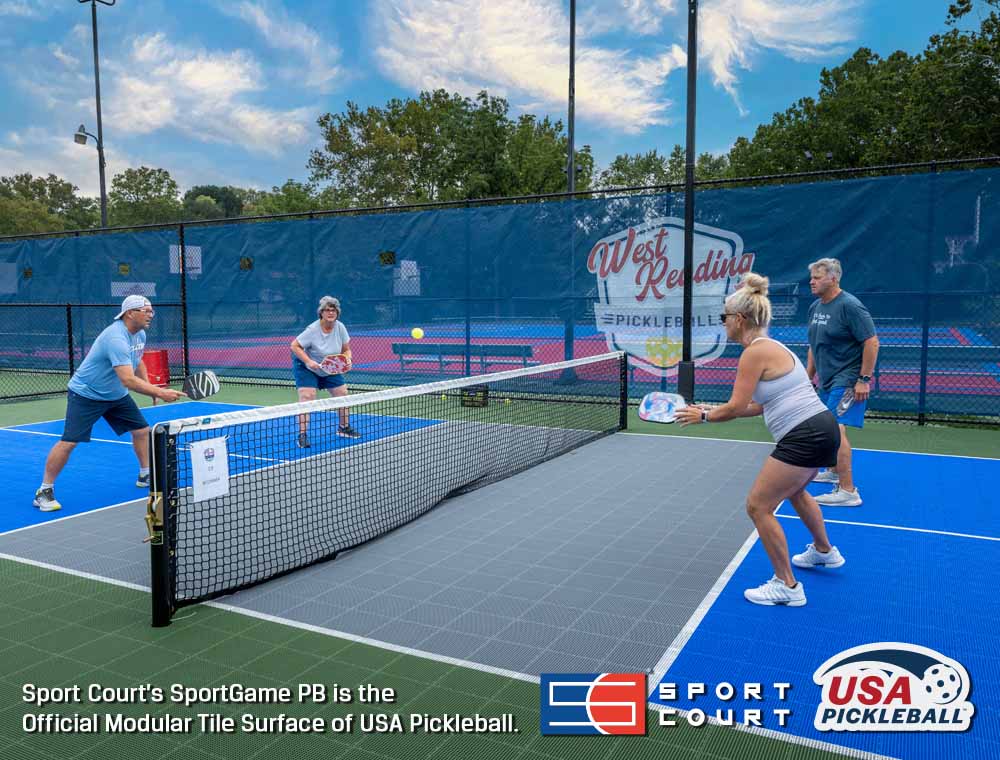
Understanding the force and speed requirements for various strokes in pickleball and padel is crucial for developing targeted strength training programs. Different strokes demand different muscle groups and intensities, leading to varying strength needs depending on the specific technique and position. This section will delve into the unique demands of each stroke and how they relate to playing roles.The force and speed needed to execute a stroke effectively significantly impact the overall upper body strength required in both sports.
A powerful serve, for example, demands a different level of exertion than a delicate dink, emphasizing the variability in strength demands across different strokes.
Pickleball Stroke Requirements
Pickleball, with its unique blend of tennis-like precision and badminton-style agility, places varied demands on upper body strength. The different strokes, each requiring specific force and speed parameters, dictate the necessary strength attributes.
- Serves: A powerful serve in pickleball typically requires significant shoulder and arm strength to generate the necessary velocity and spin. The force required is considerable, particularly for a strong serve, which necessitates forceful and controlled movements. The speed is directly proportional to the strength of the arm and shoulder muscles, as well as the ability to maintain a consistent swing path.Players employing a topspin serve, for example, must control the spin and the trajectory by coordinating the power with their wrist and forearm muscles.
- Volleys: Volleys demand rapid reaction time and precise control. While not requiring the same sheer force as serves, volley strength is dependent on upper body power for rapid arm and shoulder movement. Speed and accuracy are key, needing strength to react quickly to the ball’s trajectory and execute a powerful return.
- Dinks: A dink in pickleball, designed for a delicate touch and low trajectory, necessitates a controlled and precise stroke. This stroke requires strength for maintaining control and precision rather than raw power. The force and speed are both lower, emphasizing the importance of wrist and hand strength to generate the desired spin and placement.
Padel Stroke Requirements
Padel, with its unique court dimensions and open-ended gameplay, has a distinct set of stroke demands. The interplay of power and precision across various strokes influences the upper body strength profile needed.
- Serves: Padel serves often require a balance between power and control, demanding strength to generate speed and accuracy. The serving technique often involves a combination of shoulder and arm strength, but may also incorporate the core muscles for greater power transfer. The speed of the serve can be adjusted based on the player’s upper body strength.
- Volleys: Padel volleys, executed at close range, require a high degree of upper body strength for both speed and control. The force needed is contingent on the distance of the ball and the desired placement, influencing the need for strength in the arms and shoulders.
- Smashes: Padel smashes are powerful shots that demand a high level of upper body strength to generate significant force and velocity. The force and speed are substantial, demanding significant strength in the shoulder and arm muscles to propel the ball effectively.
Comparing Stroke Strength Demands
While both sports involve similar strokes like serves and volleys, the specific strength demands differ based on the game’s dynamic. The intensity and required speed of a smash in padel, for example, contrasts significantly with the controlled precision of a dink in pickleball.
| Stroke | Pickleball | Padel |
|---|---|---|
| Serve | Focus on speed and spin, requiring strong shoulders and arms | Balance between power and control, requiring shoulder and core strength |
| Volley | Emphasis on speed and accuracy, requiring quick reactions and arm strength | Requires strength and speed for close-range returns |
| Dink | Controlled and precise stroke, emphasizing wrist and hand strength | Controlled stroke, needing wrist and hand strength for placement |
| Smash | Less emphasis on raw power compared to padel | Requires considerable upper body strength for maximum force and velocity |
Strength Needs Across Positions
The strength requirements for different playing positions or roles in both sports can vary. A pickleball player specializing in serving and aggressive volleys will require a higher level of upper body strength than a player focusing on dinking and defensive plays. Similar patterns apply in padel.
Equipment and Court Dimensions
Understanding the equipment and court dimensions in pickleball and padel is crucial for evaluating the upper body strength requirements. Different characteristics of the racket and ball, combined with the size and layout of the court, influence the force and range of motion needed for various strokes. These factors play a significant role in determining the overall demands on the upper body.
Racket Characteristics, Which sport pickleball or padel requires more upper body strength
The weight, size, and balance of the racket directly impact the effort required to swing and control the ball. Heavier rackets generally require more strength for powerful strokes, while lighter rackets offer more maneuverability and speed but may demand more wrist and arm control for accuracy. The balance point also affects the swing path and effort. A racket head-heavy design can provide greater power but might necessitate more upper body strength to maintain control.
Ball Characteristics
The ball’s weight, size, and hardness affect the power and control needed in strokes. A heavier ball might demand more strength to accelerate and generate power, whereas a softer ball could require more wrist and arm control for precise placement. The ball’s speed and trajectory also influence the required upper body strength for effective returns. For example, a faster ball may necessitate stronger arm muscles to react quickly and accurately.
Court Dimensions
The court dimensions in both sports dictate the range of motion and the distance players must cover. A smaller court, like in padel, usually requires more quick movements and potentially higher strength for shorter, more aggressive shots, often requiring quick and precise reactions. Larger courts, such as in pickleball, often allow for more time to react and may demand strength for longer swings, potentially over a wider range of motion.
Equipment and Court Dimension Comparison
| Feature | Pickleball | Padel |
|---|---|---|
| Racket Weight (avg.) | 7-10 oz | 8-10 oz |
| Racket Head Size (avg.) | 100-110 sq in | 85-100 sq in |
| Ball Diameter | 2.25 in | 2.17 in |
| Court Length | 34 ft | 20-22 ft |
| Court Width | 20 ft | 10-11 ft |
| Net Height | 36 in | 36 in |
The table above provides a general overview of the equipment and court dimensions in both sports. Note that these are averages, and specific models may vary slightly. The differences in racket sizes and court dimensions between pickleball and padel, along with variations in the ball’s characteristics, create different upper body strength demands for each sport. For instance, the smaller court in padel often necessitates quick, powerful movements and stronger core muscles to maintain balance.
Conversely, the larger court in pickleball allows for more extensive swings and longer strokes, potentially demanding more upper body strength over a wider range of motion.
Training Considerations
Developing upper body strength for pickleball and padel requires targeted training programs. Understanding the specific demands of each sport is crucial for optimizing strength development and injury prevention. A well-structured program incorporating various exercises and considerations will maximize performance.Effective training programs must account for the unique movements and force production needed in each sport. This includes factors like the power generated during serves, volleys, and overhead shots, as well as the stabilization required for maintaining balance and body posture during gameplay.
Pickleball Specific Training Program
This program focuses on exercises that build strength for the rotational, pushing, and pulling movements crucial in pickleball. The goal is to improve power output, agility, and core stability, all of which contribute to enhanced performance.
- Warm-up (5-10 minutes): Dynamic stretching, light cardio, and mobility exercises like arm circles, shoulder rotations, and torso twists.
- Strength Training (30-45 minutes): Focus on compound exercises targeting the chest, back, shoulders, and arms. Examples include:
- Push-ups (variations like incline or decline)
- Overhead press (dumbbells or barbell)
- Bent-over rows (dumbbells or barbell)
- Lateral raises
- Bicep curls
- Triceps extensions
- Plyometrics (15-20 minutes): Explosive exercises like medicine ball throws, jump squats, and plyometric push-ups enhance power and speed. This is vital for quick movements in pickleball.
- Cool-down (5-10 minutes): Static stretching to improve flexibility and prevent muscle soreness.
Padel Specific Training Program
This program emphasizes strength and agility for the demanding rallies and quick changes of direction inherent in padel. The focus is on exercises that improve power, endurance, and coordination.
- Warm-up (5-10 minutes): Similar to pickleball, dynamic stretching, light cardio, and mobility exercises.
- Strength Training (30-45 minutes): Emphasis on compound exercises that mirror the movements in padel. Include:
- Push-ups (variations like incline or decline)
- Lateral raises
- Dumbbell rows
- Overhead press (dumbbells or barbell)
- Front raises
- Triceps extensions
- Agility Training (20-30 minutes): Exercises focusing on lateral movements, quick changes of direction, and balance, such as shuttle runs, cone drills, and agility ladders.
- Cool-down (5-10 minutes): Static stretching to improve flexibility and prevent muscle soreness.
Comparing and Contrasting Training Approaches
While both programs incorporate strength training, the emphasis differs. Pickleball training prioritizes rotational and pushing movements. Padel training places more importance on agility and lateral movement. Both programs benefit from incorporating plyometrics for power and speed, and cool-downs to prevent injury.
Training Methods
The training methods employed in both programs include a range of exercises, weights, and repetitions. For example, compound exercises such as bench press and rows work multiple muscle groups simultaneously. Choosing the right weight is crucial for progressive overload, ensuring consistent improvement in strength. Reps should be adjusted based on individual fitness levels and goals. The number of sets and repetitions also influences the program’s intensity and effectiveness.
Player Profiles and Performance
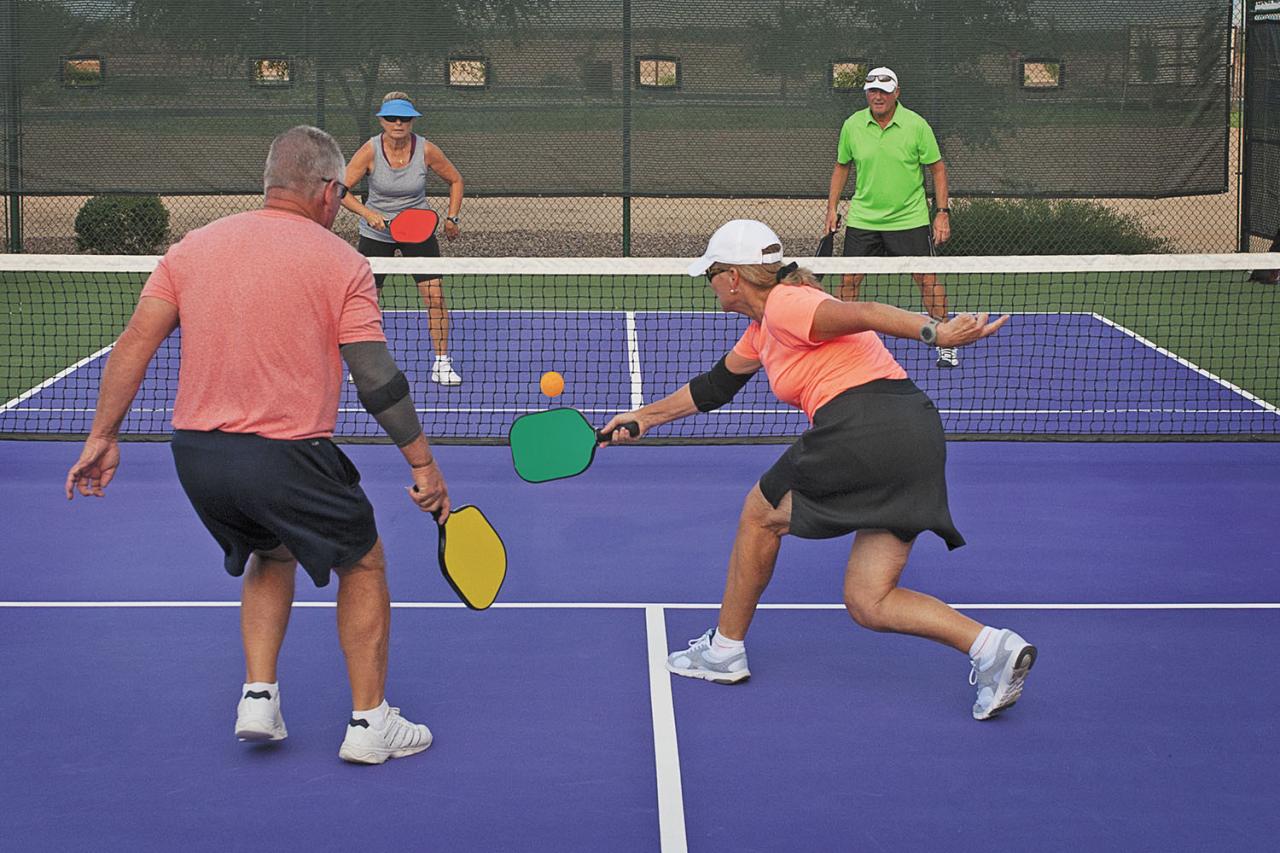
Understanding how different player types approach these sports reveals key insights into the upper body strength demands. Player size, build, and playing style significantly impact the specific strength requirements for each sport. Professional players, with their extensive training and dedication, often exhibit exceptional upper body strength compared to recreational players.Professional players in both pickleball and padel, regardless of their physical attributes, demonstrate a high level of upper body strength.
This strength allows them to generate power in shots, maintain control during rallies, and endure the physical demands of competitive play.
Professional Player Examples
Professional players in both pickleball and padel showcase impressive upper body strength. For example, [Professional Pickleball Player A] is known for their powerful serves and volleys, requiring significant upper body strength. Similarly, [Professional Padel Player B] often displays exceptional arm strength and core stability, crucial for their powerful groundstrokes and quick movements. These athletes exemplify the strength demands of each sport.
Player Profile Impact on Upper Body Strength
Player size and build influence the upper body strength needed in each sport. Larger players in pickleball, for instance, might rely more on their upper body to generate power in groundstrokes and serves. Smaller players might prioritize agility and precision. In padel, a more compact build can be advantageous for quick movements and powerful shots close to the net.
Upper Body Strength Differences: Professional vs. Recreational Players
Professional players in both sports often possess significantly greater upper body strength than recreational players. This difference stems from dedicated training regimens that include targeted exercises and a high volume of practice. Recreational players, while possessing varying levels of upper body strength, may not experience the same demands and therefore will not develop the same strength levels.
Style of Play and Upper Body Strength Needs
The style of play also dictates the specific upper body strength needs in each sport. A player emphasizing aggressive serving and volleys in pickleball will require greater upper body strength for these forceful actions. Similarly, a padel player specializing in powerful groundstrokes and aggressive net play will need more significant upper body strength to generate power and maintain court control.
This demonstrates how different playing styles translate to different upper body strength demands.
Muscle Groups and Actions
Understanding the specific muscle groups engaged during pickleball and padel strokes is crucial for effective training and injury prevention. This section details the upper body muscle activation patterns in each sport, offering insight into the varying demands of each game. Different strokes and playing styles will emphasize different muscle groups.
Primary Muscle Groups in Pickleball
The upper body in pickleball relies heavily on a combination of muscles for power, control, and precision. Players must maintain a strong core, and the arms and shoulders are essential for serving, volleys, and groundstrokes.
- Deltoids (Shoulders): The deltoids are crucial for shoulder movement during serves, overhead smashes, and volleys. They stabilize the shoulder joint and provide the force needed for powerful shots. The anterior (front) deltoids are most involved in the upward movements. The posterior (back) deltoids are engaged for overhead shots to maintain stability and control.
- Rotator Cuff Muscles: These muscles, including the supraspinatus, infraspinatus, teres minor, and subscapularis, are vital for shoulder stability and movement during all shots. They prevent injury and enhance the precision of shots. Their precise engagement is key for preventing shoulder impingement and overuse injuries.
- Biceps and Triceps: The biceps are important for lifting and swinging the paddle during serves and forehands. The triceps are engaged in the follow-through of shots, extending the arm and providing power. Biceps and triceps are also vital for controlling the paddle during volleys and other quick movements.
- Trapezius (Neck and Upper Back): This muscle group supports the neck and shoulders, maintaining stability during shots. It is engaged in maintaining the proper posture needed to generate power and control during serves and returns.
- Latissimus Dorsi (Back): The latissimus dorsi contributes to the powerful backswing and follow-through of groundstrokes and serves. It aids in maintaining balance and stability during these actions.
Primary Muscle Groups in Padel
Padel, due to its smaller court and more frequent close-range play, often involves different upper body muscle engagement patterns than pickleball.
- Deltoids (Shoulders): The deltoids are involved in both powerful shots and quick reactions, as well as maintaining stability during volley exchanges.
- Rotator Cuff Muscles: Shoulder stability is even more critical in padel due to the close-range play. The rotator cuff muscles are vital for the controlled shots, preventing injuries, and maintaining stability.
- Biceps and Triceps: Biceps and triceps are crucial for the range of motion during serves, forehands, backhands, and volleys. The controlled, precise movements demand strength and precision.
- Pectoralis Major and Minor (Chest): These muscles are more active in padel than pickleball for movements during shots and for maintaining proper posture.
- Forearm Muscles: Grip strength and control are essential in padel. Forearm muscles are highly engaged during all shots.
Muscle Engagement in Different Strokes
| Stroke | Pickleball Muscle Engagement | Padel Muscle Engagement |
|---|---|---|
| Serve | Deltoids, rotator cuff, biceps, latissimus dorsi, trapezius | Deltoids, rotator cuff, biceps, pectoralis, forearm |
| Forehand | Deltoids, rotator cuff, biceps, triceps, trapezius, latissimus dorsi | Deltoids, rotator cuff, biceps, triceps, pectoralis, forearm |
| Backhand | Deltoids, rotator cuff, triceps, biceps, trapezius | Deltoids, rotator cuff, triceps, biceps, pectoralis, forearm |
| Volley | Deltoids, rotator cuff, biceps, triceps, forearm | Deltoids, rotator cuff, biceps, triceps, pectoralis, forearm, core |
Injury Considerations
Upper body injuries are a significant concern in both pickleball and padel, particularly given the repetitive motions and forceful strokes involved. Understanding the potential injuries, their risk factors, and preventive measures is crucial for players to maintain long-term enjoyment and participation in these sports. Proper warm-up and cool-down routines, along with appropriate training strategies, are essential components in injury prevention.Common upper body injuries, risk factors, and preventative strategies will be discussed for each sport.
Specific warm-up and cool-down routines tailored to each sport’s demands will also be detailed.
Common Upper Body Injuries in Pickleball
Repetitive motions and forceful swings in pickleball can lead to various upper body injuries. These include shoulder impingement syndrome, rotator cuff tears, tennis elbow, wrist strains, and carpal tunnel syndrome. Understanding these potential issues empowers players to take proactive steps toward injury prevention.
- Shoulder Impingement Syndrome: This condition occurs when the tendons and bursa (fluid-filled sac) in the shoulder become compressed during overhead movements. Overuse, poor technique, and inadequate warm-up are common risk factors.
- Rotator Cuff Tears: The rotator cuff muscles, responsible for stabilizing the shoulder, can be strained or torn due to forceful swings, improper technique, or lack of flexibility. Sudden, forceful motions are particularly risky.
- Tennis Elbow: Pain and inflammation in the tendons of the elbow, often resulting from overuse or improper technique during the serve, forehand, or backhand. Players who lack sufficient wrist flexibility or strength are at higher risk.
- Wrist Strains: Wrist injuries can stem from improper grip, forceful impacts, or repetitive wrist movements during shots. Lack of wrist strength and stability can increase the risk of injury.
- Carpal Tunnel Syndrome: This condition arises from compression of the median nerve in the wrist, often resulting from repetitive wrist movements and gripping. Players who engage in extensive playing time are more prone to this issue.
Common Upper Body Injuries in Padel
Padel, with its combination of court coverage and powerful strokes, presents its own set of upper body injury risks. These include similar issues to pickleball, like shoulder injuries, tennis elbow, and wrist strains, but can also include muscle strains in the upper back and neck. Recognizing these potential problems is crucial for a safe playing experience.
- Shoulder Injuries: Similar to pickleball, shoulder impingement and rotator cuff issues are potential concerns due to overhead shots and forceful swings.
- Tennis Elbow: Overuse and improper technique, particularly during volleys and serves, can lead to tennis elbow in padel.
- Wrist Strains: Repetitive wrist movements, particularly during volleys and groundstrokes, can result in wrist strains. Poor grip technique can also be a contributing factor.
- Upper Back and Neck Strains: The combination of reaching, twisting, and forceful movements in padel can lead to muscle strains in the upper back and neck.
Risk Factors for Upper Body Injuries
Several factors can increase the risk of upper body injuries in both sports. These include inadequate warm-up, poor technique, insufficient strength and flexibility, lack of proper equipment, and overtraining.
Preventing Upper Body Injuries
Implementing proactive measures can significantly reduce the risk of upper body injuries. These measures include thorough warm-up routines, focusing on flexibility and range of motion, proper technique, gradual increases in training intensity, appropriate equipment selection, and listening to your body.
Warm-up and Cool-down Routines
A comprehensive warm-up routine before playing pickleball or padel is essential. Dynamic stretching, light cardio, and specific upper body exercises that mimic the movements in the game are crucial. Cool-down routines should involve static stretching to improve flexibility and reduce muscle soreness.
Historical Context and Evolution

Pickleball and padel, both relatively new sports, have seen rapid growth and evolving upper body strength requirements. Understanding their historical context reveals how the sports’ rules, equipment, and popularity have shaped the demands on players’ upper bodies over time. This evolution is directly tied to player profiles and the need for increased performance in both sports.The early versions of both sports influenced the initial upper body strength needs.
As the sports gained popularity and professional leagues emerged, the need for greater power and precision in shots, and overall athleticism increased. The sports’ rules and equipment modifications have played a significant role in shaping the required upper body strength and skill levels for players to achieve optimal performance.
Evolution of Pickleball Upper Body Strength Requirements
Pickleball’s evolution has been characterized by a gradual increase in the upper body strength needed to effectively execute powerful and precise shots. Early rules and paddles emphasized a more casual and recreational approach, with lighter paddles and less emphasis on powerful shots. However, as the sport has gained popularity and professional tournaments have emerged, players have had to develop greater strength and power to execute powerful serves and volleys.
Evolution of Padel Upper Body Strength Requirements
Padel’s historical development mirrors pickleball’s. Early iterations of the game prioritized a social and recreational environment. As the sport has grown, the demands for upper body strength have increased with the development of more powerful and strategic play. This evolution is evident in the equipment and the way the game is played, influencing the development of more athletic and powerful players.
Influence of Equipment on Upper Body Strength
The type of equipment used in both sports has significantly impacted the upper body strength requirements. Lighter paddles in pickleball initially meant less emphasis on raw power. However, as players sought to improve performance, heavier paddles and specialized grips have emerged, demanding greater upper body strength for more forceful shots. Similarly, in padel, the paddle materials and shapes have evolved, influencing the types of shots and power that players can generate.
The paddle materials and designs have influenced the required strength and technique needed for specific strokes.
Influence of Rules on Upper Body Strength
Changes in the rules of both sports have directly affected the upper body strength needed for success. For example, adjustments to the serving rules or the introduction of specific shot requirements in professional tournaments have influenced the development of upper body strength and athleticism in players. The introduction of specific rules for returns, serves, and volleys has pushed players to develop more strength and precision.
Role of Technology and Equipment in Influencing Upper Body Strength
Technology has played a significant role in both sports, influencing the design and development of equipment. For instance, advancements in paddle materials and designs in both sports have led to an increase in the power and control players can exert over the ball. This, in turn, has increased the upper body strength demands of the game.
Ultimate Conclusion
Ultimately, the sport requiring more upper body strength depends on individual playing style and priorities. While both pickleball and padel demand significant upper body power, the specific demands and training approaches differ. This comparison allows players to choose the sport that best aligns with their fitness goals and playing preferences.
Helpful Answers
What’s the impact of court dimensions on upper body strength requirements?
Court dimensions influence the required reach and power for shots. Pickleball’s smaller court often necessitates more forceful shots, potentially demanding greater upper body strength for certain strokes. Padel’s larger court may allow for more varied shot types and different upper body movements.
How do different playing positions affect upper body strength in each sport?
In pickleball, serving and volleying positions typically demand more upper body strength compared to defensive positions. Similarly, in padel, the player’s positioning and the need to cover larger areas can affect the required upper body strength.
Are there common upper body injuries associated with each sport?
Both pickleball and padel can lead to shoulder, elbow, and wrist injuries due to repetitive motions and forceful swings. Proper technique, warm-up, and cool-down routines are essential to mitigate these risks.
What equipment factors influence upper body strength demands?
Racket weight and balance, as well as ball characteristics, affect the upper body strength required for different strokes. The differences in racket and ball design contribute to varying upper body strength needs.