What are the main similarities and dissimilarities of pickleball and padel equipment? This exploration delves into the key differences and similarities between the equipment used in these popular racket sports. We’ll analyze the components, grips, strings, and even the suitability of the equipment for the specific dimensions of each sport’s court.
From the paddles and rackets themselves to the protective gear and accessories, this comprehensive guide will equip you with a thorough understanding of the equipment landscape in both pickleball and padel. You’ll learn about the materials, construction, and design features that set these sports apart, making the choice of equipment more informed and personal.
Equipment Components
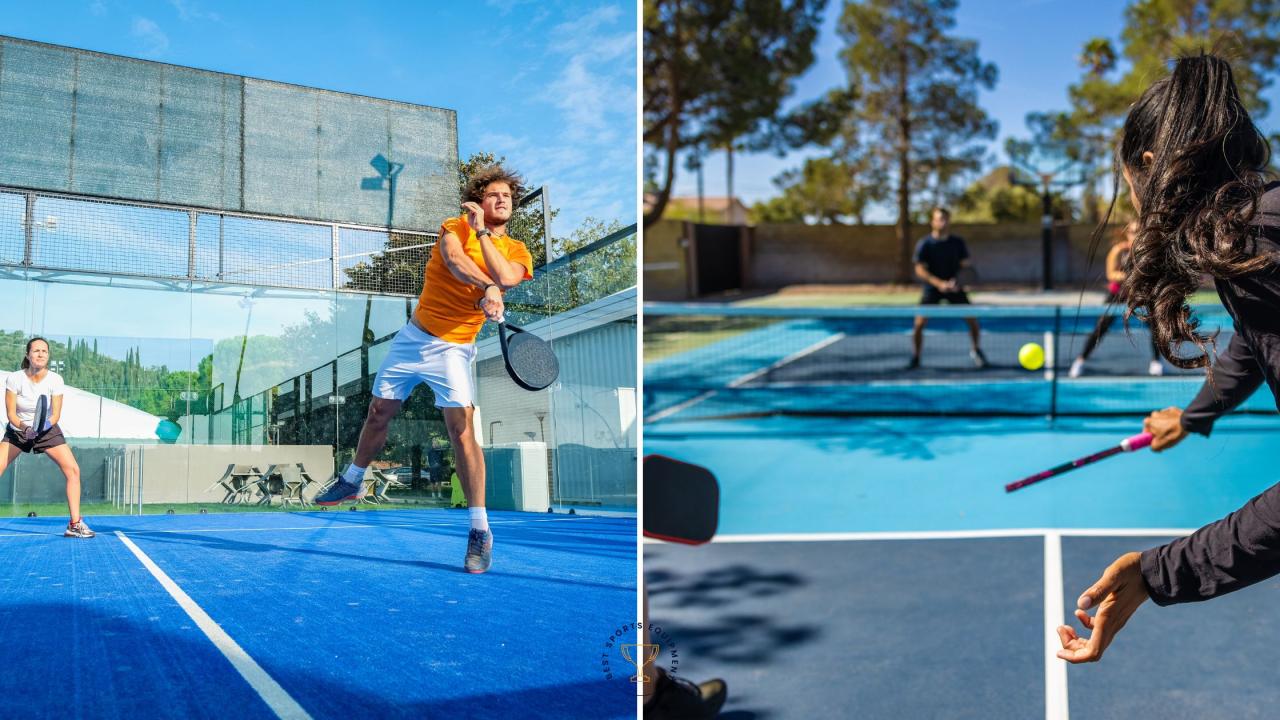
Pickleball and padel, while both racquet sports, differ significantly in their equipment. Understanding the components and their construction is crucial for appreciating the unique characteristics of each game. This section delves into the detailed specifications of paddles and rackets, highlighting the differences in materials, construction, and dimensions.
Core Components
The core components of both pickleball paddles and padel rackets are remarkably similar, despite the differences in play styles and intended use. They all consist of a frame, face, grip, and sometimes a head or a reinforced area. However, the construction and materials vary, leading to different performance characteristics.
| Component Name | Description | Pickleball vs. Padel |
|---|---|---|
| Frame | The main body of the paddle/racket, providing structure and support. | Pickleball frames are typically lighter and more flexible than padel frames to accommodate the faster swing speeds and lower impact typical in pickleball. Padel frames are often stronger and more rigid to withstand the more powerful shots and higher impact in padel. |
| Face | The striking surface of the paddle/racket, designed for optimal ball contact. | Pickleball faces often have a textured surface for better ball control and spin. Padel faces often feature a smoother surface for maximizing power and spin control. |
| Grip | The handle portion of the paddle/racket, providing a comfortable and secure hold for the player. | Pickleball grips tend to be slightly smaller and less substantial to accommodate the faster and more controlled swings in pickleball. Padel grips often have more substantial padding to accommodate the more forceful grips and the potential for extended play. |
| Head/Reinforced Area | (Optional) A reinforced area at the head of the paddle/racket. | Padel rackets often feature a reinforced head, contributing to their higher durability and power compared to pickleball paddles. |
Materials Used
The materials used in pickleball paddles and padel rackets significantly influence their performance characteristics. High-quality materials contribute to the durability and playability of the equipment.
- Pickleball Paddles often utilize lightweight composite materials, such as aluminum alloys, carbon fiber, and fiberglass. These composites offer a balance of strength, flexibility, and lightness, which is crucial for quick and accurate shots. Some high-end paddles also incorporate wood for a traditional feel.
- Padel Rackets frequently use stronger materials like aluminum alloys, carbon fiber, and even some higher-grade plastics. The materials are carefully selected to balance power, control, and durability, which are essential for the intense and demanding nature of the sport. Some brands may also utilize composite materials like fiberglass.
Construction Methods
The construction methods for both pickleball paddles and padel rackets impact their overall performance. Different methods result in different levels of stiffness, durability, and responsiveness.
- Pickleball Paddles are commonly manufactured using a laminated or molded construction. Molded paddles tend to be lighter, while laminated construction provides a balance of strength and flexibility.
- Padel Rackets are frequently made with a molded or laminated design. Molded construction is often chosen for its durability, while laminated constructions might offer better control and precision. The construction choices are very dependent on the specific brand and model of racket.
Size and Weight Specifications
Size and weight specifications are important factors to consider when choosing pickleball paddles and padel rackets. Different sizes and weights are tailored to suit various playing styles.
- Pickleball Paddles typically have a smaller surface area and lighter weight compared to padel rackets. This is often due to the faster-paced gameplay and the desire for better maneuverability. The dimensions of pickleball paddles often fall within specific guidelines set by the governing bodies of the sport.
- Padel Rackets usually have a larger surface area and greater weight than pickleball paddles. This is to enhance the power and control in the more powerful shots and strategic gameplay that characterizes the sport. The specifications of padel rackets are often dictated by the manufacturers’ design and the standards set by the governing bodies.
Grip and Handle Design
The grip and handle design are crucial aspects of both pickleball paddles and padel rackets, significantly impacting player comfort, control, and overall performance. Different grip types and handle shapes cater to diverse playing styles and preferences, offering a tailored experience for each player. Understanding these nuances can help players select equipment that best suits their needs and enhance their gameplay.Grip designs are carefully considered to optimize the player’s ability to generate power and control the ball during play.
Different grips offer various levels of comfort and control, leading to improved performance in each sport.
Grip Types for Pickleball and Padel
Pickleball and padel grips cater to different strokes and playing styles. Understanding the available grip types helps players select the most suitable equipment.
- Overgrip: This common grip type is typically used on top of the handle for added grip and cushioning. It’s a popular choice for players seeking extra comfort and sweat absorption, especially in high-humidity environments or for players with sweaty hands. The material composition and thickness of overgrips can vary, offering different levels of cushioning and grip.
- Forehand Grip: The forehand grip is used for forehand strokes. It’s designed for a comfortable and controlled swing. The placement of the hand on the handle affects the player’s ability to hit the ball with power and precision. This grip often includes a flared section near the top of the handle for enhanced control.
- Backhand Grip: Used for backhand strokes, this grip allows for a controlled swing and enhances accuracy. The backhand grip may feature a more tapered or narrower handle section to improve control, particularly for players who prefer a more compact and precise feel.
- Continental Grip: A versatile grip used for both forehand and backhand strokes. The position of the hand on the handle is neutral, which helps in generating power and control. It is a versatile option suitable for players with a variety of playing styles and preferences.
Handle Shapes and Sizes
The shape and size of the handle significantly influence the player’s grip and overall feel.
- Tapered Handles: These handles are narrower at the top and wider at the base, offering a comfortable grip for players who prefer a more precise feel. This shape is common in both sports and is designed to reduce hand fatigue during extended play. This allows for better control over the racket during the stroke.
- Round Handles: These are often associated with a more comfortable grip, as the round shape distributes pressure evenly across the hand. The round shape can provide better overall comfort, particularly for players who tend to experience hand fatigue during extended play.
- Oval Handles: Oval handles provide a balance between round and tapered grips, offering a wider contact area for a more comfortable grip while still maintaining a degree of control. This shape is often preferred by players who want a compromise between comfort and control.
Comparison of Grip and Handle Design
The choice between pickleball and padel grips is often influenced by the sport’s unique playing style. While both sports use grips to improve player control, the specifics of the grips may vary.
| Feature | Pickleball | Padel |
|---|---|---|
| Grip Size | Generally, slightly smaller and more compact | Typically, slightly larger to accommodate the wider range of hand sizes |
| Handle Shape | Can be tapered, round, or oval, often with a more pronounced flare on the forehand side | Can be tapered, round, or oval, often with a more pronounced flared area on both sides of the handle |
| Grip Material | Can range from textured rubber to composite materials | Similar variety of materials, with a focus on providing grip and comfort |
Impact on Playability
The choice of grip and handle design directly affects playability. The comfort and control derived from the grip significantly impact the overall experience. The ideal grip will reduce hand fatigue and increase the player’s ability to maintain control during gameplay.
Stringing and Strings
Stringing is a crucial aspect of both pickleball and padel, directly impacting the feel, power, and spin potential of the paddle. Proper stringing ensures the longevity of the racket and maximizes its performance. Understanding the nuances of stringing and the various string types is key to optimizing your game.The process of stringing involves carefully tensioning strings to create a consistent playing surface.
This is done with specialized stringing machines, which ensure even tension throughout the string bed. The machines are crucial for achieving the desired tension and preventing uneven wear on the strings. Professional stringers use these machines to maximize the life and performance of the strings.
Stringing Process
The stringing process for both pickleball and padel rackets involves similar principles but can vary slightly in the specifics. Generally, the process begins by preparing the frame, ensuring all parts are clean and ready for the strings. Next, the stringing machine is set to the desired tension. The strings are then fed through the machine and carefully attached to the frame, following a precise pattern to ensure consistent string tension.
Proper stringing techniques and tools ensure the strings are placed accurately to avoid damage to the racket or the strings themselves.
String Types, What are the main similarities and dissimilarities of pickleball and padel equipment
The types of strings used in pickleball and padel vary significantly in material, tension, and feel. This choice directly impacts the play style. Commonly used materials include nylon, polyester, and co-polyester.
- Nylon strings are known for their comfort and feel, offering a softer impact and a forgiving feel. They are often preferred by players who prioritize comfort over power. They typically have a lower tension rating and are more flexible than other string types.
- Polyester strings, conversely, are known for their durability and power. They offer a firmer feel, allowing for greater control and spin potential. They generally hold their tension better and are often the preferred choice for players seeking more control and power in their shots.
- Co-polyester strings offer a balance between the comfort of nylon and the power of polyester. They provide a good blend of control, spin, and comfort. They are a versatile option, suitable for players seeking a middle ground between the two extremes.
String Tension
String tension significantly affects the feel and playability of the paddle. Higher tension generally leads to more control, while lower tension results in greater power.
String tension is measured in pounds (lbs) and is a critical factor in optimizing the performance of the paddle.
For example, a higher tension of 30 lbs will generally result in a crisper feel and increased control, while a lower tension of 20 lbs will offer more power and forgiveness. The optimal tension depends heavily on the player’s playing style and preferences. A professional player might use a higher tension for more control, while a recreational player might prefer a lower tension for more comfort and power.
String Patterns
The string patterns of pickleball and padel rackets differ significantly, reflecting the distinct playing styles of each sport.
- Pickleball paddles often feature a symmetrical or slightly asymmetrical pattern, optimized for both power and control. This is crucial for the fast-paced nature of the sport.
- Padel rackets typically utilize a more complex and denser pattern to enhance control and spin. This pattern design caters to the more technical and tactical demands of padel.
String Type Comparison
| String Type | Tension (lbs) | Impact on Play Style |
|---|---|---|
| Nylon | 18-25 | Comfortable, forgiving, less power |
| Polyester | 25-35 | Powerful, durable, more control |
| Co-polyester | 20-30 | Balanced comfort and power |
Court Dimensions and Equipment Suitability
Pickleball and padel, while sharing some similarities in equipment and gameplay, differ significantly in court dimensions. These differences directly impact the equipment used and the overall playing style. Understanding these variations is crucial for selecting the right gear for each sport. The smaller court size in padel, for example, often necessitates different racket characteristics compared to the larger pickleball court.The layout of the court plays a vital role in shaping the strategy and equipment preferences of each player.
The dimensions of the playing surface dictate the distance between players, the range of shots, and the overall dynamic of the game. These factors, in turn, influence the types of equipment that are best suited for each sport.
Court Dimensions Comparison
Understanding the differences in court size is essential for selecting the right equipment. Different court dimensions create different playing scenarios, impacting the strategy and shot types.
| Feature | Pickleball Court | Padel Court |
|---|---|---|
| Length | 34 feet (10.4 m) | 42 feet (12.8 m) |
| Width | 20 feet (6.1 m) | 27 feet (8.2 m) |
| Service Area | 25 ft x 18 ft (7.6 m x 5.5 m) | 27 ft x 18 ft (8.2 m x 5.5 m) |
| Non-Volley Zone | 7 ft (2.1 m) from net | 2.5 ft (0.76 m) from net |
Equipment Suitability for Each Court Type
Choosing the right equipment depends on the specific characteristics of each court. The different dimensions affect the range of shots and the style of play, thus influencing the most effective equipment.
| Feature | Pickleball Equipment | Padel Equipment |
|---|---|---|
| Racket Head Size | Generally larger head sizes (85-105 sq in) | Generally smaller head sizes (75-95 sq in) |
| Racket Weight | Lighter weight rackets are common (8-11 oz) | Heavier weight rackets are more common (10-12 oz) |
| Racket String Tension | Lower string tension is typical for more power and control | Higher string tension is common for increased control |
| Ball Type | Pickleball-specific ball with a dimpled surface | Padel ball with a textured surface |
Impact of Court Size on Equipment
The court size significantly influences the style of play and the equipment choices. Smaller courts like those in padel often favor a more controlled, shorter-range game, whereas the larger pickleball court allows for a wider range of shots and more power.
A smaller court, such as in padel, demands a more precise and controlled game, leading to a preference for rackets with a smaller head size and higher string tension. Conversely, a larger court, such as in pickleball, allows for more power and a wider range of shots, leading to a preference for larger head size and lower string tension.
Suitability of Equipment Types
The specific playing conditions of each sport also influence equipment suitability. The material, weight, and tension of the strings, as well as the head size, affect the overall play experience.Different equipment types perform differently on each court. For instance, a heavier padel racket with higher string tension might not be as effective on the larger pickleball court due to the increased distance players need to cover.
Conversely, a lighter pickleball racket might not provide the same control on the shorter distances of a padel court. The surface type also plays a role in ball bounce and trajectory, affecting the selection of the appropriate equipment.
Protective Gear and Accessories
Protective gear and accessories play a crucial role in preventing injuries in both pickleball and padel. While both sports share some common protective items, the specific needs and types of gear vary depending on the game style and intensity. Understanding the differences and importance of these items can significantly contribute to a safer and more enjoyable experience for players of all levels.
Protective Gear for Pickleball and Padel
Pickleball and padel, while sharing similarities in court dimensions and some equipment, differ in the intensity and nature of the game. This leads to variations in the emphasis on protective gear. Pickleball, often played with a more casual intensity, typically sees less reliance on heavy-duty protective gear compared to padel, which may involve more aggressive movements and impacts.
Wristbands
Wristbands are essential for both sports to prevent wrist injuries. Pickleball players often find simple, lightweight wristbands sufficient, while padel players might favor wristbands with extra support, especially for those with a history of wrist issues or those playing more intensely. Availability of wristbands is high for both sports, with a wide range of designs, materials, and support levels.
Gloves
Gloves are another common accessory. Pickleball players often use gloves for enhanced grip, especially in hot or humid conditions. These are typically lighter and less supportive than padel gloves, which often incorporate padding and support for better hand protection during potentially more aggressive padel strokes. Availability is high for both sports, with a variety of designs and materials to cater to different needs and preferences.
Other Accessories
Beyond wristbands and gloves, other accessories can be beneficial. Knee pads, elbow pads, or even compression sleeves can help protect against potential injuries during intense play. While these are less common for pickleball, their usage in padel is becoming increasingly prevalent, especially among more advanced players. The availability of these additional accessories is also high, reflecting the growing awareness of injury prevention in both sports.
Importance of Protective Gear
Proper protective gear significantly reduces the risk of injuries. A well-fitted wristband can prevent sprains, while gloves protect hands from blisters or injuries during contact. The impact of padel, with its often forceful shots, makes protective gear even more crucial to safeguard players from potential strains, sprains, or even more severe injuries. The choice of appropriate protective gear aligns with the intensity of play and individual needs.
Essential Accessories and Protective Gear
- Pickleball: Lightweight wristbands, grip tape, and possibly light-support gloves are often sufficient for the typical pickleball player.
- Padel: More supportive wristbands, padded gloves, and even knee or elbow pads might be more common due to the nature of the sport’s more forceful play.
Historical Context and Evolution
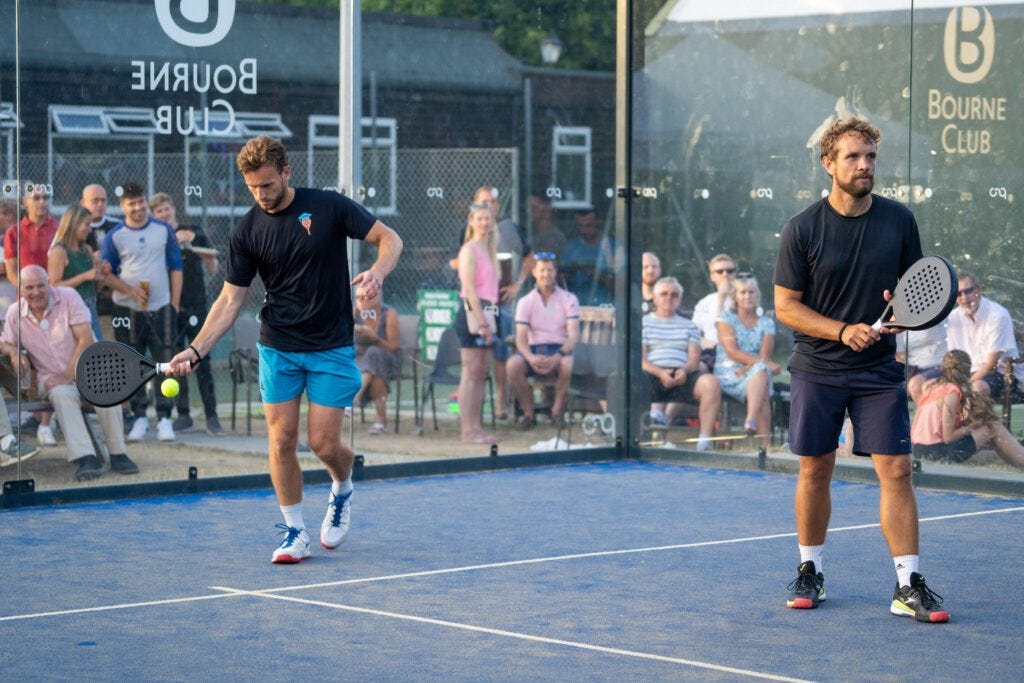
The development of pickleball and padel equipment reflects the evolution of these sports themselves. Early versions of paddles and rackets were simpler, often using readily available materials and construction techniques. As the popularity of both sports grew, so did the demand for more advanced equipment, leading to innovations in materials, design, and manufacturing. This evolution has dramatically influenced the performance and playability of both games.The quest for enhanced performance and player experience has driven continuous improvements in pickleball and padel equipment.
This pursuit has led to significant changes in equipment design and the materials used, ultimately impacting the overall playing experience for players.
Early Designs of Pickleball Paddles
Early pickleball paddles were often constructed from simple materials like wood or lightweight composite materials. They typically had a basic, unrefined shape and lacked the advanced features of modern paddles. Many early paddles were essentially flat, with little to no curvature or strategically placed weight. This basic design prioritized affordability over performance. These early models were often a starting point for players and provided a good introduction to the sport.
A common example is a paddle constructed from a simple wooden base with a thin, easily-shaped outer layer.
Early Designs of Padel Rackets
Early padel rackets shared similar characteristics to early pickleball paddles. They often used relatively simple materials, like wood or lightweight composite materials, and featured basic designs with minimal features. These rackets typically had a larger head size compared to modern rackets, focusing on a wider sweet spot. Early designs prioritized accessibility and ease of use, rather than complex features.
An illustration of this would be a racket constructed from a light wooden frame with a stretched, slightly-textured covering.
Technological Advancements and Equipment Development
Technological advancements have dramatically impacted the development of both pickleball and padel equipment. The introduction of advanced materials, such as carbon fiber and composites, has allowed for the creation of lighter, stronger, and more responsive equipment. This has significantly improved the playability and performance of both sports. Additionally, advancements in manufacturing techniques have enabled the creation of paddles and rackets with intricate designs and enhanced ergonomic features.
Material and Manufacturing Techniques
The materials and manufacturing techniques used for pickleball and padel equipment have significantly changed over time. Early designs relied on readily available, often inexpensive materials. Today, manufacturers utilize advanced composites, such as carbon fiber and high-strength polymers, for paddles and rackets. This has led to increased strength, reduced weight, and enhanced responsiveness in the equipment. Advanced manufacturing techniques, like injection molding and precision machining, are now used to create more intricate and durable equipment.
Key Milestones in Equipment Evolution
Significant milestones in the evolution of pickleball and padel equipment include the shift from basic wood or composite materials to the use of advanced materials. The introduction of technologies such as carbon fiber, composite materials, and advanced polymer compounds marked a turning point in the development of these sporting goods. Modern paddles and rackets are more responsive, durable, and lightweight than their predecessors, directly impacting player performance and comfort.
These innovations often emerged alongside advancements in the manufacturing techniques employed, creating more efficient and high-quality production methods.
Epilogue: What Are The Main Similarities And Dissimilarities Of Pickleball And Padel Equipment

In summary, while both pickleball and padel share some equipment similarities, significant differences exist in design, materials, and suitability for specific court dimensions. Understanding these distinctions is crucial for choosing the right equipment and maximizing your performance on the court. This analysis provides a solid foundation for making an informed decision based on individual playing styles and preferences.
General Inquiries
What are the common string materials used in pickleball?
Pickleball strings commonly include nylon, polyester, and multifilament options, offering varying levels of durability, feel, and tension capabilities.
What is the typical size difference between pickleball paddles and padel rackets?
Pickleball paddles tend to be smaller and lighter than padel rackets, reflecting the differences in court dimensions and playing styles.
Are there specific grip types better suited for padel compared to pickleball?
While both sports offer various grip options, padel often favors grips that provide a more substantial and comfortable feel for the larger racket, and more control during play.
How does the court size influence the equipment choices in these sports?
Pickleball’s smaller court size often dictates the need for lighter, more maneuverable paddles. Padel’s larger court necessitates equipment that can accommodate longer shots and potentially more power.