Padel training schedule based on playing level provides a structured approach to enhance player development, catering to individual skill levels. This comprehensive guide Artikels tailored training programs for beginners, intermediates, and advanced players, incorporating drills, match simulations, and equipment considerations. Understanding the specific needs of each level ensures optimal progress and enjoyment of the sport.
The document meticulously details the progression of skills from fundamental techniques to advanced strategies, emphasizing the importance of adapting training to individual player preferences and needs. It also highlights the significance of rest and recovery for injury prevention and peak performance. This framework allows players to focus on their strengths while addressing weaknesses, ultimately leading to more successful and fulfilling padel experiences.
Defining Playing Levels
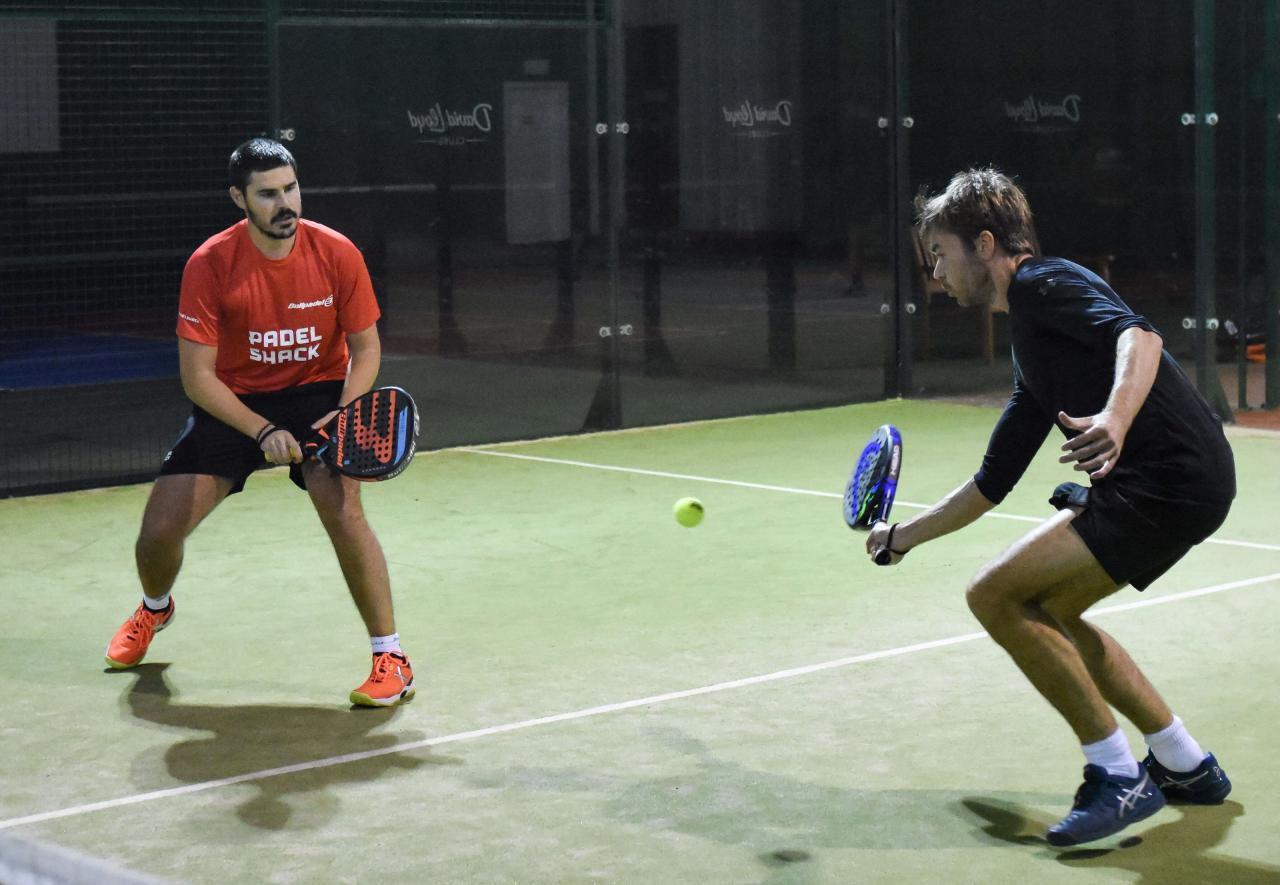
Defining padel playing levels is crucial for designing effective training programs. A well-structured training schedule tailored to specific skill levels ensures optimal learning and progression for players of all abilities. This necessitates a clear understanding of the varying skill sets, techniques, and expected outcomes at each level.A robust framework for objectively assessing player level is essential for creating a comprehensive training plan.
This framework enables coaches to accurately categorize players and provide targeted instruction that fosters improvement and enjoyment. Such a system allows for equitable opportunities for all players, promoting a positive and productive learning environment.
Categorization of Padel Playing Levels
Different approaches can be used to categorize padel playing levels. These approaches consider various factors, such as skill proficiency, tactical awareness, and physical attributes. A well-defined system is vital for effective player development and program design.
- Beginner: Beginners are typically new to the sport or have limited experience. Their skill sets are foundational, focusing on basic strokes like forehands, backhands, and volleys. They often struggle with consistent shot placement and court coverage. Game outcomes frequently involve a higher frequency of errors, and opponents with more experience may exploit this. Players at this stage prioritize learning fundamental techniques and building confidence.
- Intermediate: Intermediate players demonstrate a grasp of fundamental techniques but require further refinement and strategic development. They exhibit improved shot accuracy and court coverage compared to beginners. They can consistently execute basic shots, and begin to incorporate tactical elements into their gameplay. Intermediate players show a higher degree of court awareness, and are able to anticipate and react to opponent’s shots more effectively.Game outcomes are typically characterized by a more balanced exchange of points, though they might still experience losses against advanced players.
- Advanced: Advanced players possess a high level of technical skill, excellent shot accuracy, and superior court coverage. They can consistently execute a wide range of shots, including powerful smashes and precise volleys. They exhibit exceptional tactical awareness, making informed decisions and employing advanced strategies during play. Advanced players often dominate matches, exhibiting superior court positioning and shot selection.Game outcomes reflect a significant skill disparity, with advanced players generally winning against players from lower levels.
Objective Assessment Framework
Objective assessment of playing level is critical for designing effective training programs. This framework provides a standardized approach to evaluate player abilities.
| Criteria | Beginner | Intermediate | Advanced |
|---|---|---|---|
| Shot Accuracy | Low; frequent errors in placement and control. | Moderate; improved accuracy but occasional errors. | High; consistent placement and control of shots. |
| Court Coverage | Limited; difficulty covering the entire court. | Improved; ability to cover most areas but might struggle with rapid transitions. | Excellent; quick and efficient movement around the court. |
| Strategy Awareness | Limited; little understanding of offensive and defensive strategies. | Developing; beginning to understand and implement basic strategies. | Strong; adaptable and capable of using advanced strategies effectively. |
| Physical Fitness | Basic; limited stamina and agility. | Moderate; improved stamina and agility but might struggle with prolonged exertion. | High; excellent stamina, agility, and strength for maintaining high-intensity play. |
Examples of Categorization Systems
Several systems can be used to classify padel playing levels. These systems often involve a combination of skill-based criteria and ranking systems. For example, some organizations utilize a rating system based on point accumulation in matches, with higher ratings correlating to higher playing levels. Other organizations use a tiered approach, with levels defined by specific skill benchmarks.
Example: A rating system might assign points for each match win, loss, and number of points scored. This could be coupled with a tiered system, such as “Bronze,” “Silver,” and “Gold” to indicate increasing levels of proficiency.
Training Schedule Structure
Padel training schedules are crucial for player development, optimizing progress, and minimizing risk of injury. A well-structured schedule considers the player’s skill level, physical capabilities, and individual needs. Properly designed sessions address all key aspects of the game, from fundamental techniques to advanced strategies. This section details sample training schedules tailored for different playing levels.
Beginner Padel Training Schedule
A beginner schedule focuses on foundational skills and building a solid understanding of the game. The schedule should prioritize introducing the core elements of padel, such as basic strokes, court awareness, and strategic positioning. Consistent practice is key at this stage to build a strong base.
- Warm-up (15 minutes): Dynamic stretches, light cardio exercises (e.g., jogging, skipping), and ball-handling drills focusing on footwork and basic strokes (e.g., forehand, backhand, volleys). This prepares the body for the workout and enhances coordination.
- Drills (45 minutes): Focus on specific techniques, such as footwork drills to cover the court, short-rally drills emphasizing touch and control, and basic strategy exercises like returning volleys and drop shots. Variations on these drills are crucial to avoid monotony.
- Match Simulations (30 minutes): Short match simulations (e.g., 3-point games) to apply learned skills in game situations. These simulations should emphasize proper positioning, court coverage, and basic strategy, like approaching the net and returning shots.
- Cool-down (10 minutes): Static stretches, focusing on major muscle groups used during the session. This helps to prevent muscle soreness and improve flexibility.
Intermediate Padel Training Schedule
Intermediate players build upon foundational skills and incorporate more strategic thinking and advanced techniques. The schedule should focus on improving tactical awareness and executing more complex shots.
- Warm-up (20 minutes): Dynamic stretches, agility drills (e.g., cone drills, shuttle runs), and ball-handling drills emphasizing more advanced strokes (e.g., angled shots, drop shots). The warm-up should progressively increase intensity and incorporate more court-specific movements.
- Drills (45 minutes): Drills focusing on strategic positioning (e.g., how to effectively defend against aggressive players), specific stroke variations (e.g., different types of volleys), and short-rally drills emphasizing strategic decisions. Include scenarios involving different game situations and pressure situations.
- Match Simulations (45 minutes): Longer match simulations (e.g., 5-point games) to apply learned strategies. These simulations should involve diverse game situations (e.g., serving, receiving, returning, volleys, and positioning against different playing styles). Record and analyze gameplay to identify areas for improvement.
- Cool-down (10 minutes): Static stretches, focusing on major muscle groups used during the session. Emphasis should be on holding each stretch for at least 30 seconds.
Advanced Padel Training Schedule
Advanced players focus on developing complex strategies, advanced tactics, and physical conditioning. The schedule should prioritize high-level match simulations, incorporating diverse game situations.
- Warm-up (25 minutes): Intense dynamic stretches, plyometrics (e.g., box jumps, depth jumps), and ball-handling drills emphasizing advanced techniques (e.g., aggressive volleys, precise shots). The warm-up should mimic the physical demands of a match.
- Drills (45 minutes): Drills focusing on advanced strategies (e.g., how to dictate the pace of the game), advanced tactics (e.g., different types of serve and returns), and match simulations with specific scenarios to anticipate opponent actions. Emphasis on analyzing game situations and applying appropriate strategies.
- Match Simulations (60 minutes): Full-match simulations (e.g., 7-point games or more) against opponents with varying playing styles. The focus should be on developing strategies to counter specific opponents, analyzing the match post-game to refine performance.
- Cool-down (15 minutes): Static stretches, focusing on major muscle groups used during the session. Holding stretches for longer durations (60 seconds or more) is recommended.
Adjusting Training Schedules
Training schedules should be adaptable to individual player needs and preferences. Factors such as injury history, physical limitations, and individual learning styles should influence the schedule. Monitoring player progress and adjusting the schedule accordingly is essential. Consider incorporating additional recovery time or alternative exercises for players who show signs of fatigue. Also, ensure adequate rest days between sessions to prevent overtraining.
Rest and Recovery
Rest and recovery are crucial for optimizing training effectiveness and preventing injuries. Adequate rest periods between sessions allow for muscle repair and regeneration. Insufficient rest can lead to overtraining, decreased performance, and increased risk of injury. Incorporate rest days into the training schedule, and consider incorporating active recovery methods like light cardio or stretching to enhance recovery.
Training Drills and Exercises
Padel training drills are crucial for developing fundamental techniques, court coverage, anticipation, and decision-making across different skill levels. Effective drills cater to specific needs, such as improving footwork, agility, and shot power, while also incorporating strength, endurance, and flexibility exercises. A structured approach, tailored to individual needs, is vital for optimizing progress and minimizing the risk of injury.
Beginner Level Drills
Beginner padel players require drills focused on mastering fundamental strokes and court awareness. These drills should be short, repetitive, and encourage consistent practice. Emphasis should be placed on proper technique, rather than speed or complexity.
- Wall Practice: Players practice basic volleys, serves, and overhead smashes against a wall. This reinforces proper technique and hand-eye coordination. Adjust the height of the wall for different shot types.
- Partner Shadowing: Players practice basic volleys, serves, and overhead smashes, mimicking the actions of a partner. This improves timing and consistency, while also encouraging coordination.
- Short-Distance Rallying: Players rally from a short distance, focusing on maintaining a consistent rhythm and anticipating the ball’s trajectory. This improves anticipation and court coverage.
Intermediate Level Drills, Padel training schedule based on playing level
Intermediate padel players should incorporate drills that challenge their skills in more dynamic situations. These drills increase the complexity of rallies, incorporating strategic decisions and anticipatory play.
- Zone Drills: Players are assigned zones on the court and must hit the ball within specific areas. This improves court coverage and shot selection.
- Advanced Rallying: Players practice rallies with increased speed and complexity, emphasizing the importance of anticipation and decision-making. This can be performed in specific zones or with mixed up positioning.
- Serving Practice: Players practice various types of serves, including placing the ball in different parts of the court and adapting their technique to different scenarios. This should incorporate serve variety and target practice.
Advanced Level Drills
Advanced players require drills that push their tactical understanding and decision-making. These drills focus on simulating game situations and refining strategic play.
- Game-Specific Drills: Players practice game-like scenarios, such as return of serve, volley play, and approaching the net. This improves court awareness and tactical thinking.
- Simulated Match Play: Players practice match situations with varying opponents, improving their adaptability and tactical approach. This could involve drills with specific strategic goals.
- Advanced Court Coverage Drills: Players are required to cover the court effectively under pressure. These drills incorporate rapid movement and decision-making, requiring players to anticipate shots and react swiftly.
Drill Modifications
Drills can be modified to address specific needs. For instance, adding weights to the racket can improve shot power, while incorporating agility ladders or cones can improve footwork and court coverage.
| Skill Level | Drill Description | Equipment Needed | Expected Outcomes |
|---|---|---|---|
| Beginner | Wall Practice | Paddle, wall | Improved technique, hand-eye coordination, and consistency. |
| Intermediate | Zone Drills | Paddle, cones or markers | Enhanced court coverage, shot selection, and strategic thinking. |
| Advanced | Simulated Match Play | Paddle, partner | Improved adaptability, tactical awareness, and game-situation response. |
Strength, Endurance, and Flexibility Exercises
Strength, endurance, and flexibility exercises are vital for padel players of all levels. Exercises should be tailored to the individual’s needs and fitness level.
- Plyometrics: Box jumps, jump squats, and lateral bounds are beneficial for improving power and agility.
- Core Strengthening: Plank variations, Russian twists, and leg raises are crucial for maintaining stability and balance on the court.
- Flexibility: Stretching exercises, such as hamstring stretches, quad stretches, and hip openers, enhance flexibility and prevent injuries.
Match Simulation and Strategy
Match simulations are crucial for developing players’ strategic thinking and tactical awareness in padel. By replicating competitive scenarios, players can refine their decision-making under pressure, identify weaknesses, and learn to adapt their game to different opponents and match situations. This section details the structure of match simulations for each level, strategic approaches, and adaptation methods.Effective match simulations are more than just playing matches; they are carefully structured drills designed to replicate competitive scenarios.
This includes simulating various match situations, like crucial points, tie-breaks, and match-winning strategies. These drills allow players to apply learned techniques and strategies under pressure, enhancing their decision-making abilities.
Match Simulation Structure for Different Levels
Match simulations should be tailored to the specific playing level. Beginners benefit from shorter, focused drills on basic strategies and tactical awareness. Intermediate players require simulations that involve more complex point strategies, like net play and court coverage. Advanced players will engage in simulations that mirror professional-level match scenarios, including psychological elements and pressure management.
Strategic Approaches by Playing Level
| Playing Level | Strategic Focus | Match Simulation Examples |
|---|---|---|
| Beginner | Basic court coverage, ball placement, and shot selection. Emphasis on consistent returns and anticipating opponent movements. | Simulating point plays with simple rallies, focusing on basic strategies and footwork. Short, structured matches with specific tactical instructions. |
| Intermediate | Developing offensive and defensive strategies. Understanding shot selection, court positioning, and the interplay between partners (in doubles). | Simulations with varied point situations, including net play, drop shots, and lobs. Emphasis on adapting to different opponents’ styles. |
| Advanced | Strategic shot selection based on opponent weaknesses and match context. Effective court coverage and positioning. Adapting to pressure and exploiting openings. | Simulations that replicate professional-level matches, including psychological pressure, time management, and adapting to opponent’s tactics. |
Adapting Match Simulations to Individual Strengths and Weaknesses
Match simulations should be adaptable to address individual player strengths and weaknesses. Players who excel at certain shots or strategies should be challenged to incorporate them into different match situations. Players struggling with particular aspects of the game should be given focused drills to improve their performance. For instance, a player strong at volleys can be pitted against an opponent who excels in drop shots to help them anticipate and react.
Role of Strategy in Match Play for Each Level
Strategy in padel is not static; it evolves throughout the match.
Beginner players need to understand basic court positioning and shot selection. Intermediate players need to understand how to combine shots to create opportunities. Advanced players need to understand the match flow, opponent tendencies, and how to adapt their strategy based on the situation.
Match Formats and Training Schedule Adaptation
Different match formats (singles, doubles) require specific training adaptations.
- Singles: Focus on individual strategy, court coverage, and shot variety. Simulations should replicate one-on-one match situations with emphasis on individual decision-making.
- Doubles: Emphasize communication, coordination, and partner play. Simulations should include doubles-specific drills like ball placements, court positioning, and effective communication between partners. This also involves incorporating different styles of play between partners.
Equipment and Facilities: Padel Training Schedule Based On Playing Level
Appropriate equipment and facilities are crucial for a successful padel training program. They directly impact the quality of training sessions, player safety, and the overall enjoyment of the experience. A well-equipped and maintained environment fosters a positive learning environment for players of all levels. Proper facilities ensure that the training is effective and efficient.The availability of suitable equipment and facilities tailored to different playing levels is essential for optimal learning and development.
Providing appropriate resources for each level enables players to practice effectively and progress smoothly. Furthermore, the quality of the court surface and equipment directly impacts player performance and safety.
Equipment for Different Playing Levels
The equipment required varies based on the player’s skill level. Beginners may require basic equipment, while advanced players will need more specialized gear. Equipment quality influences player performance and safety.
- Beginner Level: Standard padel rackets with a balanced weight and comfortable grip are ideal. Lightweight rackets are often recommended to improve control and reduce strain. High-quality balls are important for consistent play, and basic training cones are sufficient for practicing basic movements.
- Intermediate Level: Players at this level can benefit from rackets with more power and control options. Consider rackets with a slightly heavier weight or a larger sweet spot for improved accuracy. High-quality padel balls are still important. Training equipment should include more advanced cones and targets to practice more complex drills.
- Advanced Level: Advanced players often prioritize rackets with specific features like greater power, maneuverability, or a unique balance. They may prefer rackets with higher swing weights or specific technologies for enhanced control. Top-of-the-line padel balls, offering optimal performance, are also vital. Advanced training equipment should include specialized targets and training aids for more complex drills and strategy exercises.
Facilities Suitable for Different Playing Levels
The type of facility should match the playing level. A beginner-friendly facility might have a simpler layout, while an advanced facility would offer more complex and varied setups. Proper court dimensions and safety features are essential for all levels.
- Beginner Level: A well-maintained court with clear markings, easily accessible for beginners, is crucial. Facilities should be spacious and allow for a lot of room for practicing basic strokes and movements. Beginner courts should ideally have a soft surface to reduce the risk of injury.
- Intermediate Level: Intermediate facilities should include a variety of equipment, like multiple courts, additional training areas, and more complex training aids. Courts should have professional quality markings, proper lighting, and optimal surface conditions for optimal performance.
- Advanced Level: Advanced facilities may include multiple courts with varied surface conditions, and more advanced training equipment like specialized hitting targets. The facilities should have ample space for advanced drills, practice sessions, and strategic exercises. Advanced players may require specialized coaching areas and training rooms.
Importance of Court Maintenance
Proper court maintenance is essential for optimal player performance and safety. A well-maintained court ensures consistent ball bounce and reduces the risk of injuries.
- Consistent Ball Bounce: A properly maintained court surface ensures consistent ball bounce, which is crucial for accurate shot execution. Uneven surfaces or damaged courts can cause inconsistent play.
- Reduced Injury Risk: Maintaining court surface smoothness and avoiding uneven areas can minimize the risk of slips and falls. A consistent and safe court surface contributes to the safety of players.
- Enhanced Player Performance: A well-maintained court provides a stable and consistent playing surface, which enhances player performance and confidence.
Equipment and Facilities Comparison Table
| Playing Level | Equipment | Facilities |
|---|---|---|
| Beginner | Standard rackets, basic balls, cones | Spacious court with clear markings, soft surface |
| Intermediate | Improved rackets, high-quality balls, training cones and targets | Multiple courts, advanced training areas, professional quality markings |
| Advanced | High-performance rackets, top-of-the-line balls, specialized training aids | Multiple courts with varied surfaces, advanced training equipment, specialized coaching areas |
Impact on Training Experience
The quality of equipment and facilities significantly impacts the overall training experience. A well-equipped facility fosters a positive learning environment and encourages players to progress. Appropriate equipment and facilities can motivate players to learn and grow.
- Positive Learning Environment: Appropriate equipment and facilities contribute to a more enjoyable and effective training experience. This environment is essential for players to learn, improve, and progress.
- Player Motivation: A well-maintained and well-equipped training area enhances player motivation. The appropriate facilities and equipment directly contribute to increased enthusiasm and dedication to training.
- Enhanced Learning and Development: The right equipment and facilities support better learning and development. The appropriate resources help players develop the skills and knowledge necessary for improvement.
Sample Training Schedules
Sample training schedules are crucial for progressive development in padel. They provide a structured framework for players of varying skill levels to enhance their game. Tailored plans help optimize training time and ensure that players focus on the most relevant aspects of the game for their current skill level.These schedules provide a starting point for players and coaches.
They can be adjusted to accommodate individual needs, preferences, and the availability of resources. The detailed descriptions within each session are intended to guide players and coaches in executing the drills, exercises, and match simulations effectively.
Beginner Level Weekly Training Schedule
This schedule is designed for players with limited experience, focusing on fundamental techniques and game awareness. Emphasis is placed on proper technique and consistency rather than complex strategies.
| Day | Time | Activity | Specific Focus |
|---|---|---|---|
| Monday | 6:00 PM – 7:00 PM | Warm-up (5 mins) + Basic Strokes (30 mins) + Short Games (15 mins) + Cool-down (10 mins) | Footwork, grip, and basic forehand/backhand techniques. Emphasis on correct stance and swing path. |
| Wednesday | 6:00 PM – 7:00 PM | Warm-up (5 mins) + Volley Practice (30 mins) + Positioning Drills (15 mins) + Cool-down (10 mins) | Developing volley techniques and court positioning. Introduction to simple passing and rallying. |
| Friday | 6:00 PM – 7:00 PM | Warm-up (5 mins) + Short-court drills (30 mins) + Match simulations (15 mins) + Cool-down (10 mins) | Improving reaction time, footwork in close quarters, and simple tactics. Matches will be short and focused on fundamental gameplay. |
Intermediate Level Weekly Training Schedule
This schedule builds upon the beginner level, incorporating more complex techniques and strategic elements.
| Day | Time | Activity | Specific Focus |
|---|---|---|---|
| Monday | 6:00 PM – 7:30 PM | Warm-up (10 mins) + Advanced Strokes (30 mins) + Strategic Rally Drills (20 mins) + Match simulations (15 mins) + Cool-down (5 mins) | Refining stroke precision, developing power and spin, and incorporating basic strategy in rallies. |
| Wednesday | 6:00 PM – 7:30 PM | Warm-up (10 mins) + Volley Combinations (30 mins) + Positioning and Anticipation drills (20 mins) + Match simulations (15 mins) + Cool-down (5 mins) | Improving volley techniques, coordination, and anticipation of opponent’s movements. |
| Friday | 6:00 PM – 7:30 PM | Warm-up (10 mins) + Full-court Drills (30 mins) + Match Simulations (20 mins) + Strategy Discussion (10 mins) + Cool-down (5 mins) | Improving court coverage, decision-making, and tactical awareness. Matches will be full court and incorporate more complex strategies. |
Advanced Level Weekly Training Schedule
This schedule focuses on developing advanced techniques, complex strategies, and match play.
| Day | Time | Activity | Specific Focus |
|---|---|---|---|
| Monday | 6:00 PM – 8:00 PM | Warm-up (15 mins) + Advanced Stroke Variation (30 mins) + Strategic Positioning Drills (20 mins) + Match Simulations (15 mins) + Match Analysis (10 mins) + Cool-down (10 mins) | Developing exceptional stroke variations and implementing advanced strategic positioning. |
| Wednesday | 6:00 PM – 8:00 PM | Warm-up (15 mins) + Court Coverage Drills (30 mins) + Anticipation and Reaction Drills (20 mins) + Match Simulations (15 mins) + Strategy Review (10 mins) + Cool-down (10 mins) | Optimizing court coverage and reaction time to opponents’ shots. |
| Friday | 6:00 PM – 8:00 PM | Warm-up (15 mins) + Match Simulations (45 mins) + Tactical Analysis (15 mins) + Advanced Strategy Discussion (15 mins) + Cool-down (10 mins) | Developing tactical awareness, advanced strategy, and match play. Focus on simulating professional-level matches. |
Schedule Modification
These schedules are adaptable to individual needs and coach/player availability. For example, if a player has a specific weakness, more time can be dedicated to drills targeting that weakness. Similarly, if a coach is unavailable on a particular day, alternative drills or activities can be substituted. Flexibility is key to maximizing the effectiveness of the training.
Concluding Remarks
In conclusion, this comprehensive padel training schedule based on playing level offers a structured and adaptable approach to skill development for players of all abilities. By tailoring training programs to individual needs, the framework maximizes progress, ensuring players gain a deeper understanding of the sport’s nuances. The detailed drills, match simulations, and equipment considerations provide a complete resource for coaches and players alike, ultimately promoting a more rewarding padel journey.
FAQ
What equipment is recommended for beginner padel players?
Beginners should focus on comfortable and durable rackets with a balanced weight distribution. A lighter weight might be preferred to enhance maneuverability. Appropriate footwear is also crucial for court coverage and agility.
How often should a beginner player train?
For beginners, a weekly schedule of 2-3 sessions, each lasting approximately 1-2 hours, is a good starting point. The frequency and duration can be adjusted based on individual progress and availability.
What are some common mistakes beginners make during match simulations?
Common beginner mistakes during match simulations include failing to anticipate opponents’ shots, poor court coverage, and not adapting to changing game situations.
How can I track my progress in padel training?
Tracking progress can involve maintaining a training log, noting improvements in specific skills, and using metrics such as shot accuracy, court coverage, and game outcomes. Coaches can also offer valuable feedback.