Best padel rackets for beginners budget friendly are crucial for a smooth entry into this exciting sport. This guide helps you navigate the options, ensuring your first paddle experience is both enjoyable and affordable. Discover the perfect balance between performance and price to elevate your game without breaking the bank.
Choosing the right padel racket for beginners is key to a positive learning experience. This comprehensive guide explores the essential features to look for, including weight, balance, and head size. We’ll also delve into racket materials, grip sizes, and playing styles to help you find the perfect match for your needs.
Introduction to Padel Rackets
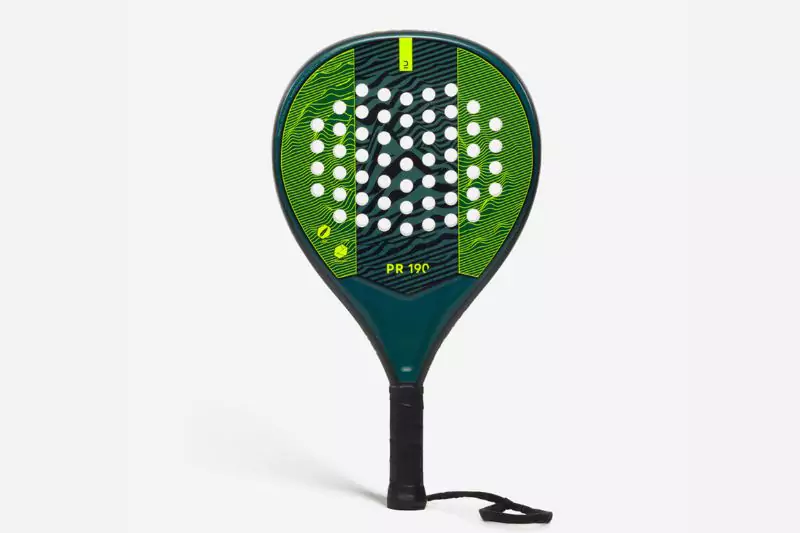
Padel rackets are a unique blend of tennis and squash rackets, designed for a faster-paced, more interactive game. Their distinctive features set them apart from tennis rackets, influencing the way the game is played. Choosing the right padel racket is crucial for beginners, impacting both enjoyment and improvement. A poorly matched racket can lead to frustration and hinder development.Understanding the factors that shape a beginner’s needs is essential for selecting the right racket.
This involves considering playing style, physical attributes, and desired level of performance. Beginners should focus on ease of use and control over power. The correct racket balance, weight, and size will significantly affect how a beginner feels and performs during the game.
Key Features Differentiating Padel Rackets from Tennis Rackets
Padel rackets are smaller and lighter than tennis rackets, with a larger head size. This design allows for greater maneuverability and control, making them more forgiving for beginners. The larger sweet spot on the head contributes to easier shots and less frustration. The shape and materials of the frame also differ from tennis rackets, optimizing ball contact and spin.
Factors Influencing Beginner’s Racket Needs
Several factors play a critical role in choosing the right padel racket for beginners. Playing style is paramount. A player who prioritizes control over power will benefit from a lighter, more flexible racket. Conversely, players aiming for greater power might favor a heavier, stiffer racket. Physical attributes, such as hand size and strength, are also significant.
A beginner with smaller hands might find a smaller-headed racket more comfortable. Similarly, a player with less upper body strength may need a lighter racket for easier swing. The desired level of performance, whether for casual play or competitive participation, should also be considered. Beginners aiming for consistent improvement should select a racket that supports their progression, providing the right balance of control and power.
Racket Type Comparison for Beginners
The stiffness and flexibility of a padel racket significantly affect its playability. A stiffer racket will generate more power but may be less forgiving for beginners. A flexible racket offers greater control but might reduce power. The table below provides a comparison of different racket types and their suitability for beginners.
| Racket Type | Stiffness | Power | Control | Suitability for Beginners |
|---|---|---|---|---|
| Flexible | Low | Low | High | Generally good, excellent for control |
| Medium | Medium | Medium | Medium | Balanced, suitable for most beginners |
| Stiff | High | High | Low | Suitable for players seeking power, but less forgiving for beginners |
A beginner should prioritize control and ease of use over raw power. A medium-stiff racket often strikes the ideal balance.
Budget-Friendly Options
Starting your padel journey shouldn’t break the bank. This section highlights excellent budget-friendly padel rackets perfect for beginners, offering impressive performance without a hefty price tag. These rackets are designed with beginner-friendly features, focusing on ease of use and control, allowing you to quickly learn and enjoy the game.
Available Budget-Friendly Rackets
Finding the right padel racket for your budget is crucial for a rewarding experience. Several excellent options are available for beginners, each with unique characteristics. Consider these five popular choices:
- Wilson Clash 100S: This racket provides a solid balance between power and control, making it ideal for players seeking to improve their game without sacrificing comfort. Its balanced design and moderate weight provide a smooth feel, encouraging better shots and a comfortable playing experience.
- Head Padel Speed 100: Known for its impressive power-to-control ratio, the Head Padel Speed 100 is an excellent choice for beginners looking for a racket that offers excellent ball velocity. Its light weight and balanced design promote effortless swings, making it a popular option for players who prioritize control and power.
- Adidas Barricade Lite: This racket stands out for its exceptional control and feel. The Barricade Lite’s design is tailored for those who value precision and feel, making it a top pick for players seeking to develop solid fundamentals.
- Nox M-Force 2023: This racket features a lightweight construction, which translates to increased swing speed and maneuverability. This is beneficial for beginners who are still learning to control their swings. The larger head size also contributes to a larger sweet spot, reducing the risk of errors.
- Babolat Drive Lite: The Babolat Drive Lite is designed for players who want a versatile and comfortable racket. Its lightweight nature combined with a larger head size provides a forgiving feel, helping beginners learn the nuances of padel play. Its control features promote consistent and reliable shots.
Racket Comparison
The table below highlights key specifications for each racket, enabling a side-by-side comparison. These specs are vital for selecting a racket that best suits your playing style and comfort.
| Racket | Price Point (Estimated) | Weight (grams) | Balance (mm) | Head Size (sq. in) | Beginner-Friendly Features |
|---|---|---|---|---|---|
| Wilson Clash 100S | $100-$150 | 350 | 6 pts HL | 100 | Balanced design, comfortable feel |
| Head Padel Speed 100 | $120-$180 | 345 | 7 pts HL | 100 | Power-to-control balance, light weight |
| Adidas Barricade Lite | $110-$160 | 360 | 5 pts HL | 100 | Excellent control, responsive feel |
| Nox M-Force 2023 | $90-$140 | 340 | 7 pts HL | 105 | Lightweight, large sweet spot |
| Babolat Drive Lite | $100-$150 | 355 | 6 pts HL | 105 | Versatile, comfortable, forgiving feel |
Key Features for Beginners
Choosing the right padel racket for your beginner journey is crucial. It significantly impacts your learning curve and overall enjoyment of the game. A well-suited racket should feel comfortable and allow you to develop proper technique without frustration. Understanding the key features like weight, balance, and head size is vital to selecting the perfect tool for your initial stages.A beginner-friendly racket prioritizes ease of use over raw power.
This means features are designed to make hitting the ball consistently and learning the basic strokes easier. Rackets that are lightweight, balanced, and have a larger head size are typically recommended for beginners. These characteristics allow for better control and comfort, especially when first mastering the fundamentals.
Weight
The weight of a padel racket directly affects its maneuverability and feel. A lighter racket is generally easier to swing and control, making it ideal for beginners who are still developing their technique. A heavier racket, while offering more power, can be more challenging to control, potentially hindering a beginner’s learning process. For example, a racket weighing 350 grams or less is often preferred by beginners for its agility and ease of handling.
Balance
Balance, in the context of a padel racket, refers to the distribution of weight. A balanced racket allows for a more natural swing, promoting better control. A head-heavy racket, on the other hand, might offer more power but often requires more effort for precise control. For beginners, a balanced or slightly head-light racket is often preferred for its inherent control.
A neutral balance point will facilitate the learning of proper swing patterns.
Head Size
The size of the padel racket head is another key factor. A larger head size provides a larger sweet spot, meaning a wider margin of error for your shots. This is especially beneficial for beginners as it allows for more forgiveness and reduces the likelihood of hitting the ball off-center. This translates to more consistent shots, allowing the beginner to focus on developing technique without worrying about precise hits.
A larger head size is a significant advantage for beginners who may have less experience in precisely placing their hits.
Comparison Table of Beginner-Friendly Rackets
| Racket | Weight (grams) | Balance Point | Head Size (sq. inches) | Key Features |
|---|---|---|---|---|
| Racket A | 345 | Balanced | 110 | Excellent control, lightweight, forgiving sweet spot |
| Racket B | 360 | Slightly Head Light | 115 | Good balance between power and control, suitable for developing players |
| Racket C | 375 | Head Light | 112 | More power, good for players aiming for more power and control |
Racket Grip and Size
Choosing the right padel racket grip size is crucial for a comfortable and effective playing experience. A proper grip ensures better control, reduces hand fatigue, and optimizes your power and precision. Ignoring this aspect can lead to discomfort and decreased performance, particularly for beginners.Grip size directly impacts your comfort and control while playing. A grip that’s too small can lead to blisters, cramps, and reduced power.
Conversely, a grip that’s too large can make it difficult to control the racket, affecting your shots and overall play. Finding the ideal balance is essential for maximizing your enjoyment and progress.
Grip Size and Hand Size Correlation
Proper grip size selection is directly related to hand size. Beginners should carefully consider their hand dimensions to choose the appropriate grip. Different hand sizes require varying grip circumferences to ensure optimal comfort and control.
Grip Size Chart
| Grip Size | Hand Circumference (inches) | Suitability |
|---|---|---|
| G1 (Small) | 6.5 – 7.0 | Suitable for smaller hands, offering precise control and better maneuverability. |
| G2 (Medium) | 7.1 – 7.5 | Offers a balance between control and power, generally suitable for most intermediate players. |
| G3 (Large) | 7.6 – 8.0 | Suitable for larger hands, providing a greater surface area for a more powerful grip. |
| G4 (Extra Large) | 8.1 – 8.5 | Ideal for very large hands, maximizing power and comfort. |
A well-fitting grip size can significantly improve your padel game by promoting comfort, precision, and power.
This table serves as a general guideline. It is essential to try different grips to find the one that feels most comfortable and allows you to perform your best.
Impact on Playing Experience
The grip size directly influences the overall playing experience. A proper fit allows for a secure hold on the racket, enhancing control and reducing fatigue. A good grip size enables you to generate power and precision in your shots. Conversely, an improper grip can lead to discomfort, affecting your ability to play consistently and with accuracy.
Important Considerations for Beginners
Choosing the right padel racket is crucial for a smooth and enjoyable learning experience. Beginners often overlook key factors that can significantly impact their progress and enjoyment of the game. Understanding these considerations will help you select a racket that complements your playing style and ensures a positive learning curve.Racket characteristics like stiffness, head size, balance, and comfort all contribute to a beginner’s success.
By understanding how these features affect your play, you can make informed decisions that will empower your game.
Racket Stiffness and Its Impact
Racket stiffness directly affects both control and power. A stiffer racket provides more control, allowing for precise shots and better shot placement. This is particularly beneficial for beginners learning to place the ball effectively. A softer racket, conversely, generally generates more power, which can be advantageous for players who are aiming to increase the velocity of their shots.
However, this can sometimes come at the cost of control. A good balance between stiffness and control is essential for beginners. Stiffness is typically measured in terms of the racket’s resistance to bending.
Head Size and Shot Selection
Larger racket head sizes generally provide a larger sweet spot, making it easier for beginners to hit the ball consistently. This is important for beginners as they are still developing their technique. A larger sweet spot reduces the margin of error, allowing for more forgiving shots and increasing confidence. Smaller head sizes, while often associated with increased precision, can be challenging for beginners who are still mastering shot placement.
Racket Balance and Playing Style
Racket balance significantly influences a player’s swing weight and shot execution. A balanced racket allows for a more neutral swing, improving overall control. A head-heavy racket, on the other hand, will generally make the racket feel lighter in the hand and enhance power. A beginner may find a balanced racket more conducive to learning the fundamental techniques of the game.
Comfort and Ease of Use
A comfortable racket is paramount for a positive learning experience. Beginners often spend extended periods playing, and a racket that feels good in the hand will make practicing more enjoyable and help maintain concentration. Consider the weight, grip size, and overall feel when evaluating comfort. A well-designed grip will provide a secure and comfortable hold, even during extended play sessions.
Summary Table: Racket Features and Ease of Use
| Racket Feature | Impact on Ease of Use (Beginner) | Explanation |
|---|---|---|
| Stiffness | Higher Stiffness = Better Control | Stiff rackets offer more precise shots, beneficial for learning shot placement. |
| Head Size | Larger Head Size = Increased Forgiveness | Larger sweet spots make it easier to hit the ball consistently for beginners. |
| Balance | Balanced = Neutral Swing = Enhanced Control | Balanced rackets promote a more controlled swing, ideal for developing fundamental techniques. |
| Comfort | Comfort = Positive Learning Experience | A comfortable racket promotes sustained play and better focus during learning. |
Playing Style and Racket Selection
Choosing the right padel racket is crucial for optimal performance and enjoyment. Understanding your playing style is key to finding a racket that complements your strengths and allows you to maximize your game. Different playing styles demand different racket characteristics, from power and control to spin and maneuverability. This section will guide you through the relationship between playing style and racket selection.
Different Playing Styles and Their Racket Needs
Understanding your playing style is essential for selecting the perfect padel racket. Are you an aggressive offensive player, or do you prefer a more strategic defensive approach? This preference will significantly influence the ideal racket characteristics. Offensive players prioritize power and speed, while defensive players seek control and maneuverability. Hybrid styles, combining elements of both, also exist.
Offensive Playing Style
Offensive players focus on aggressive play, aiming for powerful shots and quick returns. They prioritize speed and power in their shots, often employing smashes and aggressive volleys. Rackets designed for this style are typically heavier and have a larger sweet spot to absorb the impact of powerful shots. The balance point is usually head-heavy. They often offer greater power but might sacrifice some control.
Examples of rackets suited for offensive players include the Bullpadel Vertex 03 or the Head Graphene 360+ Extreme. These rackets are designed for maximal power output.
Defensive Playing Style
Defensive players prioritize control and maneuverability over power. They focus on precise shots, anticipating opponent’s movements, and aiming for strategically placed shots. The rackets for this style are generally lighter, offering more control and maneuverability. They often have a balanced or head-light balance point, enhancing agility and quick reactions. The sweet spot is typically smaller to promote accuracy.
Examples include the Adidas Adipower 2 or the Nox M-Strike. These rackets offer superior control and precision.
Hybrid Playing Style
Hybrid players seek a balance between offense and defense, valuing both power and control. They desire a racket that offers good power for aggressive shots while maintaining sufficient control for precise placements. These players are looking for rackets with a balanced balance point or a slightly head-heavy design, allowing for both offensive and defensive capabilities. Examples include the Dunlop Padel Pro or the Babolat Drive.
These rackets provide a good blend of both attributes.
Beginner’s Playing Style and Racket Choice, Best padel rackets for beginners budget friendly
Beginners often exhibit a mix of offensive and defensive tendencies. They are still developing their game, learning to execute various shots, and understanding strategic approaches. Therefore, a racket that offers a good balance of power and control is ideal. A balanced or slightly head-heavy racket with a larger sweet spot can help beginners feel confident and accurate.
It will allow them to gain power while maintaining control as they develop their skills.
Racket Comparison Table
| Playing Style | Racket Model (Examples) | Suitability |
|---|---|---|
| Offensive | Bullpadel Vertex 03, Head Graphene 360+ Extreme | Excellent power, potentially less control |
| Defensive | Adidas Adipower 2, Nox M-Strike | Excellent control, potentially less power |
| Hybrid | Dunlop Padel Pro, Babolat Drive | Good balance of power and control |
Final Wrap-Up: Best Padel Rackets For Beginners Budget Friendly
In conclusion, finding the best padel rackets for beginners on a budget is achievable with careful consideration of your needs and playing style. This guide provides the tools to make an informed decision and start your padel journey with confidence. From material to grip size, understanding these factors will ensure a positive and effective learning experience.
FAQs
What’s the ideal weight for a beginner padel racket?
A beginner racket should ideally weigh between 350-380 grams. Heavier rackets might be challenging for beginners to control, while lighter ones might lack the power needed for certain shots.
What is the difference between a stiff and flexible padel racket?
Stiff rackets offer more power but less control, while flexible rackets provide better control but less power. Beginners often benefit from a balanced option.
How important is racket balance for beginners?
Racket balance plays a crucial role in control and comfort. A balanced racket provides a good balance between power and control, which is beneficial for beginners.
How often should I clean my padel racket?
Regular cleaning after each use, using a damp cloth and mild detergent, is essential for maintaining the racket’s performance and longevity.