Basic padel training drills for newbies are the perfect starting point for anyone eager to master this exciting sport. This comprehensive guide covers everything from fundamental strokes to advanced techniques, ensuring you build a solid foundation for success on the court. Learn the essential skills, perfect your footwork, and unlock your potential with our expert-designed drills.
From mastering the forehand and backhand to executing precise volleys, we’ll guide you through a series of practical drills tailored for beginners. Discover the secrets to improving your ball control, anticipation, and coordination. Our step-by-step instructions and visual aids will make learning effortless and fun.
Introduction to Padel Training for Beginners
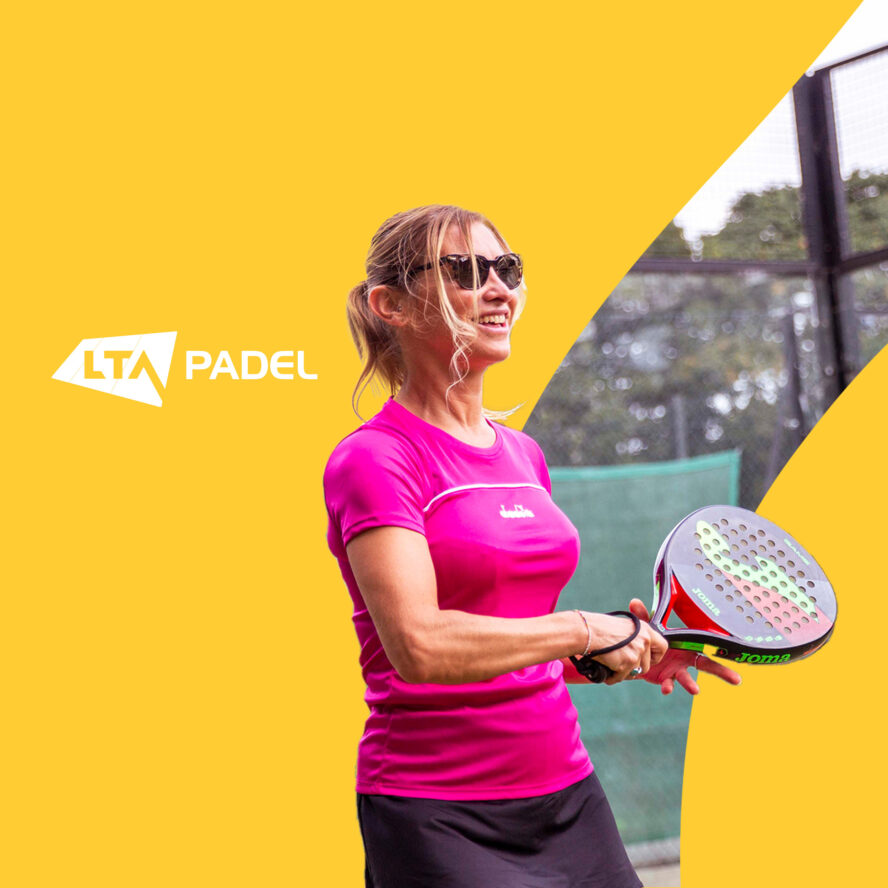
Padel tennis is a fast-paced, social sport that combines elements of tennis, squash, and badminton. Played on a smaller court with a net and walls, it’s gaining popularity worldwide for its accessibility and engaging gameplay. This dynamic sport offers a fantastic way to improve fitness, coordination, and social interaction.Understanding the basic rules and safety precautions, coupled with a structured training approach, is key to a positive and productive experience for beginners.
A proper warm-up and cool-down routine are essential to prevent injuries and maximize performance.
Padel Basics: Rules and Court Dimensions
Padel is played on a smaller court than a standard tennis court, typically measuring approximately 10 meters by 20 meters. The court features a solid wall at the back and two walls on the sides, allowing for strategic play and varied shot opportunities. The objective is to hit the ball over the net and into the opponent’s court, ensuring it bounces once before being returned.
Unlike tennis, a player can hit the ball off the walls, and only one bounce is allowed on the opponent’s side before it’s returned.
Importance of Warm-up and Cool-down Routines
A comprehensive warm-up routine is crucial for preparing the body for the physical demands of padel. It gradually increases blood flow to muscles, improves flexibility, and reduces the risk of strains and sprains. Similarly, a cool-down routine is vital for gradually returning the body to its resting state, aiding in muscle recovery and preventing delayed-onset muscle soreness.
Essential Equipment for Padel Training
For a beginner’s padel training, the essential equipment includes a padel racket, padel balls, comfortable athletic shoes, and appropriate clothing. A comfortable and supportive outfit is essential to move freely and avoid discomfort during training. Quality padel shoes are important for providing adequate support and grip, crucial for agility and quick movements on the court.
Sample Warm-up Routine for Beginners
This routine is designed for beginners and can be adapted to individual needs and fitness levels. Begin with 5 minutes of light cardio, such as jogging or jumping jacks, followed by dynamic stretches like arm circles, leg swings, and torso twists. These stretches prepare the muscles for more demanding movements. Conclude with 5 minutes of static stretches, holding each stretch for 20-30 seconds.
Examples include hamstring stretches, quadriceps stretches, and calf stretches.
Safety Precautions for Beginners
| Safety Precaution | Explanation |
|---|---|
| Proper footwear | Wear supportive athletic shoes designed for court sports. |
| Appropriate attire | Dress in comfortable, breathable clothing that allows for a full range of motion. |
| Supervision | Start with training sessions with a knowledgeable coach or experienced player to guide you. |
| Hydration | Drink plenty of water before, during, and after training. |
| Awareness of surroundings | Pay attention to other players on the court to avoid collisions. |
| Listen to your body | If you experience pain, stop immediately and consult a doctor. |
Drills for Ball Control and Coordination: Basic Padel Training Drills For Newbies
Mastering ball control and coordination is crucial for success in padel. These drills are designed to refine your touch, accuracy, and anticipation, leading to more effective shots and greater confidence on the court. Developing these skills will significantly enhance your overall gameplay.Controlling the ball’s trajectory is paramount in padel. Precise shots demand precise control over the ball’s flight path.
This section Artikels drills that progressively build this skill, enabling you to shape the ball’s arc, height, and speed to your advantage.
Controlling Ball Trajectory
Consistent ball control relies on a combination of proper stance, grip, and swing mechanics. The drills below are designed to help you develop a feel for the ball, enabling you to manipulate its trajectory.
- Wall Drills: Practice hitting the ball against a wall, focusing on controlling its bounce and trajectory. Vary the angle and height of your shots to challenge yourself. By repeating these exercises, you can refine your understanding of how your swing impacts the ball’s trajectory.
- Partner Drills: Partner drills, where you and another player exchange shots, are crucial for developing anticipation and reaction to the ball’s movement. This allows you to practice controlling the ball’s flight in a dynamic setting. These exercises enhance your ability to adapt your shots based on your partner’s return.
- Varying Strokes: Focus on hitting different shots (e.g., forehands, backhands, volleys) with controlled trajectory. Experiment with hitting the ball low, high, and angled to refine your ability to manipulate its path.
Improving Accuracy and Consistency
Precise shot placement is key in padel. These drills build consistency in your shot accuracy. A focused approach to accuracy will significantly impact your overall game performance.
- Target Practice: Use cones or markers to create targets on the court. Practice hitting the ball into these targets, gradually reducing the size of the target for increasing difficulty. This drill develops accuracy by demanding precision in shot placement. Aim for consistency in hitting the target.
- Footwork Drills: Combine footwork drills with accuracy drills. Practice moving to different positions on the court while maintaining accuracy in your shot placement. These drills enhance your ability to respond quickly and accurately to the ball’s position.
Enhancing Hand-Eye Coordination
Exceptional hand-eye coordination is crucial in padel. The following drills are designed to enhance this critical skill.
- Shadow Drills: Practice your swings and movements without a ball, focusing on the coordination between your eyes and hands. This pre-emptive practice improves anticipation and response time to the ball.
- Quick Reaction Drills: Have a partner toss the ball in unpredictable ways. Focus on reacting to the ball’s trajectory and hitting it accurately. This drill directly addresses reaction time and hand-eye coordination.
Maintaining Consistent Rhythm
Maintaining a consistent rhythm is essential for maintaining control over your shots. The following drills emphasize maintaining a consistent swing.
- Counting Drills: Count your swings during a drill. This encourages a consistent tempo and rhythm, and helps develop the feel of the ball.
- Partner Drills (Rhythm): Play drills with a partner and synchronize your rhythm with theirs, maintaining a steady tempo of shots. This develops a sense of anticipation and coordinated rhythm.
Improving Anticipation and Reaction
Anticipating the ball’s trajectory and reacting promptly is essential for successful shot execution. The drills below are designed to enhance this aspect.
- Anticipation Drills: Have a partner make unpredictable movements with the ball. Focus on anticipating the ball’s trajectory and reacting accordingly. These drills are designed to improve your ability to anticipate the ball’s movement and adjust your shots.
- Varying Speed and Direction: Practice hitting shots with varying speeds and directions. This develops your ability to react quickly to changes in the ball’s trajectory. By practicing unpredictable ball movements, you enhance your reaction time and adaptability.
Ball Control Drills
| Drill | Focus | Description |
|---|---|---|
| Wall Drills | Trajectory Control | Hitting the ball against a wall to control its bounce and trajectory. |
| Partner Drills | Anticipation & Reaction | Exchanging shots with a partner to practice anticipation and reaction. |
| Target Practice | Accuracy | Hitting the ball into targets of varying sizes. |
| Footwork Drills | Accuracy & Movement | Combining footwork with accuracy drills to move and hit accurately. |
Drills for Playing with a Partner
Padel is a game best enjoyed with a partner. Effective teamwork and communication are crucial for success. Mastering these aspects allows you to anticipate your partner’s movements, exploit openings, and maximize your chances of winning. This section delves into drills specifically designed to hone your skills in playing with a partner, emphasizing communication and strategic doubles play.Effective padel doubles hinges on clear communication and coordinated movement.
Players must anticipate each other’s actions and react swiftly to changing situations. The drills presented below focus on developing these vital aspects, improving your understanding of your partner’s role and fostering seamless teamwork.
Importance of Communication in Doubles
Clear and concise communication is paramount in padel doubles. Players need to effectively convey intentions, anticipate shots, and coordinate their movements. Without proper communication, players may find themselves mismatched or unable to capitalize on opportunities. This often leads to missed shots and lost points.
Drills Focusing on Playing with a Partner
These drills are designed to build coordination and understanding between partners.
- “Volley Exchange” Drill: Two players stand opposite each other, positioned on the same baseline. One player serves to the other. The receiver returns the ball, and the server then returns the volley. The partners switch roles and repeat the process, focusing on quick returns and efficient communication regarding shot selection. This drill improves reflexes, anticipation, and the ability to adjust strategy in response to your partner’s movements.
- “Predictive Returns” Drill: This drill focuses on anticipating your partner’s shot. One player serves to the other. The receiver calls out their predicted return (e.g., “forehand volley”) before returning the shot. The partner then responds with a shot that corresponds to the predicted return. This emphasizes quick thinking, strategic planning, and seamless coordination between players.Consistency in communication and reaction times are key improvements.
- “Defensive Wall” Drill: Two players on one side of the court face each other, creating a defensive wall against an opposing player (or an automated service machine). The players communicate their defensive strategy to one another (e.g., “left-side block,” “right-side drop shot”), anticipating the incoming shot and blocking it effectively. This drill strengthens defensive skills and coordination, fostering communication about defensive strategy.
Coordinating with Your Partner
Synchronized movement and understanding of each other’s strengths and weaknesses are essential for successful doubles play. Each player should anticipate their partner’s actions and react accordingly. This allows the team to effectively cover the court and control the ball. For instance, if one partner is a stronger volleyer, the other should focus on court coverage and defensive plays.
Drills for Practicing Doubles Strategies
The drills below focus on honing specific doubles strategies, maximizing team effectiveness.
- “Strategic Positioning” Drill: Players position themselves strategically on the court, communicating their positions and intended actions. One player initiates a serve, while the other focuses on receiving and anticipating the opponent’s movements. This drill focuses on understanding court positioning and coordinating movements with a partner to achieve a cohesive game strategy. Players should communicate which side of the court to cover to avoid overlap or gaps in coverage.
- “Offensive and Defensive Roles” Drill: Players practice alternating between offensive and defensive roles. The player who is offensive should focus on aggressively attacking the ball, while the defensive player should prioritize covering the court and returning the ball. Clear communication about these roles is critical. This drill strengthens the understanding of offensive and defensive strategies, fostering a balanced and coordinated team approach.
Examples of Drills that Improve Communication
Effective communication is key to success in padel doubles. These drills help in this aspect.
- “Calling Shots” Drill: Players call out the type of shot they intend to execute (e.g., “forehand drive,” “backhand volley”). This drill helps in improving communication and anticipation, ensuring the partner is prepared for the incoming shot. This enhances teamwork by providing clear instructions and allowing the partner to respond appropriately.
- “Positioning Signals” Drill: Players use hand signals or verbal cues to communicate their intended positions on the court. This drill emphasizes the importance of understanding each other’s movements and anticipating the opponent’s strategy. This also improves court awareness and response times.
Benefits of Playing with a Partner
Playing padel with a partner provides several advantages. It fosters teamwork, communication, and strategic thinking. These aspects lead to improved coordination, court awareness, and overall game understanding.
Advanced Drills for Intermediate Players

Elevate your padel game beyond the basics with these advanced drills designed for intermediate players. These drills focus on more complex shot combinations, strategic thinking, and tactical awareness, empowering you to dominate the court. Mastering these techniques will significantly improve your ability to read your opponent’s movements and react effectively.Intermediate players are ready to move beyond basic ball control and partner play.
These drills emphasize shot variety, tactical understanding, and developing a more nuanced approach to the game.
Advanced Shot Combinations
These drills help players integrate diverse shots into their game, fostering more dynamic and unpredictable play. The focus is on developing fluidity and seamless transitions between shots, crucial for effective offensive and defensive strategies.
- Cross-Court Lob to Volley: Practice executing a precise lob to the cross-court, followed by a quick volley to maintain the point. This drill sharpens reaction time and anticipation, while improving shot accuracy and court coverage. This combination is highly effective for challenging an opponent’s defense and controlling the point. A player successfully executing this combination gains significant advantage by putting the opponent in a reactive position, allowing them to exploit gaps in their opponent’s defense.
- Drop Shot to Smash: This drill focuses on the ability to quickly transition from a deceptive drop shot to a powerful smash. This tactic forces the opponent to react to the unexpected change of pace and trajectory, making them less prepared for the subsequent smash.
Strategic and Tactical Drills, Basic padel training drills for newbies
These drills are crucial for developing a game plan and understanding strategic positioning on the court. Learning to anticipate your opponent’s movements and position yourself advantageously is vital for success.
- Zone Defense Drill: Divide the court into zones and practice defending each zone effectively. This drill emphasizes positioning and anticipating where the ball is likely to be hit, allowing for more proactive defense and the ability to cover more ground efficiently. This drill enhances players’ awareness of their position and the ability to anticipate where the ball will be played, thus reducing reactive movements and allowing more proactive plays.
- Offensive Positioning Drill: Focus on establishing offensive positions and utilizing the court strategically. This involves studying the opponent’s play style and positioning yourself to exploit their weaknesses. This drill allows the player to anticipate the opponent’s next move and prepare a more effective counter-strategy.
Adapting Drills to Different Playing Styles
Adapting drills to individual strengths and weaknesses is key to maximizing progress.
- Aggressive Players: Encourage aggressive players to focus on powerful shots and quick transitions. This could include drills like fast-paced rallies with a focus on finishing points decisively.
- Defensive Players: Defensive players should concentrate on anticipation and defensive shot variety. Drills involving quick reactions and efficient shot returns should be incorporated.
Reading Opponent’s Movements
Anticipating opponent’s movements is a crucial aspect of advanced padel play.
- Observation Drill: Players should observe their opponent’s footwork, shot selection, and body language to understand their playing patterns. This drill encourages a more active and analytical approach to the game, allowing players to predict the opponent’s moves and adapt their strategy accordingly.
Common Mistakes and Improvement Drills
Identifying and correcting common errors is essential for improvement.
- Inconsistent Footwork: Drills focusing on consistent footwork patterns and efficient court coverage. This could involve drills that focus on specific footwork patterns like sideways steps and shuffles, to improve responsiveness and agility.
- Poor Shot Selection: Practice drills that encourage players to evaluate the best shot based on their opponent’s position and the ball’s trajectory. This involves focusing on the decision-making process before executing a shot, which can be enhanced through drills focusing on recognizing the right shot at the right time.
Illustrative Examples and Visual Aids
Unlock your padel potential with clear visual guidance! This section provides practical examples and visual aids to solidify your understanding of fundamental padel drills. Mastering these drills, with clear visualization, will significantly enhance your game.This section dives deep into practical demonstrations, making the learning process more engaging and effective. Visual aids are crucial for understanding complex techniques and refining your game.
Detailed descriptions and step-by-step instructions will empower you to execute each drill with precision and confidence.
Beginner Padel Drill: “The Wall Bounce”
This drill focuses on developing basic ball control and anticipation. It’s an excellent starting point for beginners. Players will practice hitting the ball off a wall, developing consistent contact and improving their response time.
Components of the Drill
- Wall: A solid, stable surface for consistent ball bounces. The wall should be positioned at a distance that allows for manageable ball returns. Avoid walls with uneven surfaces.
- Ball: A padel ball is crucial for accurate practice. A standard padel ball should be used.
- Player Positioning: The player should stand at a comfortable distance from the wall, allowing for controlled ball hits. Maintain a balanced stance.
- Footwork: Basic footwork is essential for this drill. The player should move to the ball, and then back to the starting position. Ensure the player keeps their balance during movements.
- Technique: Correct technique, including the grip, swing, and follow-through, are paramount to maximize the benefits of the drill. Focus on maintaining a consistent swing.
Drill Sequence
- Set-up: Position yourself a few feet from a wall. Stand with your feet shoulder-width apart, and a comfortable grip on the paddle.
- Ball Bounce: Throw the ball against the wall. Aim for a controlled bounce in front of you.
- Return: Return the ball using a simple, controlled swing. Focus on hitting the ball cleanly and consistently.
- Repeat: Repeat steps 2 and 3 for several repetitions. Increase the number of repetitions as you gain proficiency.
- Progression: As your skills improve, you can increase the distance to the wall, and add variety in your hits (e.g., short, medium, and long hits).
Benefits of the Drill
- Ball Control: Develops precision and consistency in hitting the ball.
- Anticipation: Improves your ability to anticipate the ball’s trajectory and react quickly.
- Footwork: Develops essential footwork for padel, making movement more efficient.
- Confidence: Builds confidence by providing consistent success with controlled practice.
Importance of Technique
Proper technique is crucial in all padel drills. Inconsistent technique can lead to errors, hindering progress. Focus on maintaining a balanced stance, a firm grip, and a controlled swing.
The correct swing and follow-through are key to developing power and accuracy. Correct technique will make the drill more effective, leading to improved ball control and a smoother game.
Different Types of Padel Drills
| Drill Type | Description |
|---|---|
| Wall Bounce | Basic ball control and anticipation |
| Partner Passing | Developing coordination and communication |
| Court Coverage | Improving movement and court awareness |
| Volley Drills | Improving quick reactions and shot accuracy |
Last Point
This guide has provided a roadmap for beginners to excel in padel. By mastering the fundamental drills, you’ll gain confidence and improve your game. Remember to practice regularly, stay focused, and enjoy the journey of learning this dynamic sport. From basic strokes to strategic doubles play, you’re now equipped to dominate the court! Level up your padel game today!
Detailed FAQs
What equipment do I need beyond the paddle?
Comfortable athletic shoes, appropriate clothing, and water are essential for optimal performance and comfort during your training sessions.
How often should I practice these drills?
Consistency is key. Aim for at least 2-3 sessions per week, gradually increasing the duration and intensity as you progress.
What are some common mistakes beginners make with footwork?
Poor balance, lack of agility, and not covering the court effectively are common errors. Focus on drills that improve these aspects.
How can I improve my serve?
Practice consistency and aim for a variety of serves. Focus on power, placement, and anticipating your opponent’s reaction.