Creating a padel training schedule for consistent progress is crucial for players of all levels. This guide will walk you through defining your goals, structuring your schedule, choosing effective activities, and adapting to your progress. It covers everything from equipment and resources to motivational strategies, nutrition, and recovery, ensuring you’re on the path to achieving your padel aspirations.
Understanding the nuances of different skill levels in padel, from beginner to advanced, is key to creating a personalized schedule. This plan will help you craft a structured routine tailored to your specific needs, ensuring you maximize your training efforts and witness consistent progress.
Defining Training Goals
Setting clear and measurable goals is crucial for any effective training program. Without defined objectives, progress can be inconsistent and frustrating. A well-structured training schedule needs to address not only physical conditioning but also technical and tactical improvements. This section will delve into defining skill levels, outlining measurable goals, and providing a framework for evaluating progress.Defining different skill levels in padel is essential for tailoring training programs to individual needs and abilities.
This allows players to be placed in groups that are suitable for their skill set, ensuring optimal learning and progression.
Skill Levels in Padel
Padel skill levels vary from beginner to advanced, each with distinct characteristics. Beginners typically lack fundamental strokes and court awareness. Intermediate players demonstrate basic strokes, court positioning, and strategy, but lack consistency and advanced tactical understanding. Advanced players exhibit strong stroke consistency, strategic thinking, and adaptable court positioning. Professional players exhibit exceptional skill and consistency, demonstrating advanced tactical awareness and decision-making in all playing scenarios.
Measurable Goals for Padel Training
Examples of measurable goals for a padel training schedule include improving serve accuracy, increasing forehand consistency, and enhancing court coverage. These goals are quantifiable, allowing players and coaches to track progress over time. Quantifiable goals are essential for both individual and team improvement.
Training Objectives and Metrics
| Training Objective | Description | Metrics for Evaluation ||—|—|—|| Physical | Building stamina, strength, and agility. | Maximum heart rate during a 10-minute game, number of repetitions for specific exercises (squats, lunges, etc.), agility tests (e.g., shuttle runs), recovery time between sets/games. || Technical | Refining strokes, footwork, and shot selection. | Serve accuracy (percentage of successful serves), forehand/backhand consistency (percentage of successful shots), volley accuracy, and court coverage time (percentage of time covering the court).
Number of errors per game. || Tactical | Developing strategic thinking and decision-making. | Percentage of points won, successful returns, aggressive play (percentage of offensive shots), understanding of court positioning and shot selection, and ability to adjust strategy based on opponent play. Game analysis, identifying key plays, and understanding decision-making. |
Structuring the Schedule
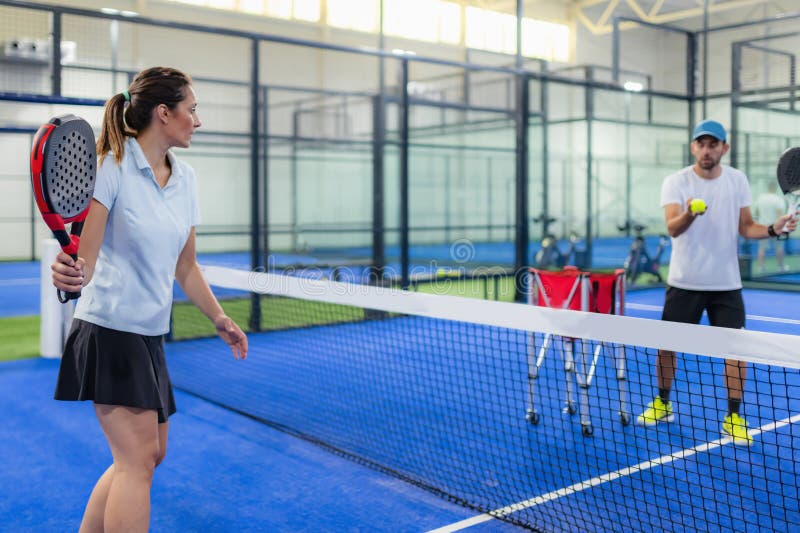
Planning a consistent padel training schedule is crucial for achieving your goals. A well-structured routine ensures you’re consistently challenging yourself, allowing for progressive improvement and minimizing plateaus. This section details how to design a suitable schedule and explores different training frequency options and session structures.
Sample Weekly Training Schedule Template, Creating a padel training schedule for consistent progress
A structured schedule provides clarity and accountability. This template offers a framework you can adapt to your specific needs and goals.
| Day | Time | Activity | Duration | Equipment |
|---|---|---|---|---|
| Monday | 6:00 PM | Technical Drills (Footwork, Volleys, Serves) | 60 minutes | Padel Racquets, Cones |
| Tuesday | 7:00 PM | Match Play (Simulated Matches) | 90 minutes | Padel Racquets, Partner |
| Wednesday | Rest | Rest | Full Day | None |
| Thursday | 6:00 PM | Fitness Training (Strength, Cardio) | 60 minutes | Weights, Treadmill/Bike |
| Friday | 7:00 PM | Advanced Strategy Session | 60 minutes | Padel Racquets, Partner |
| Saturday | 9:00 AM | Competitive Match | 120 minutes | Padel Racquets, Partner |
| Sunday | Rest | Rest | Full Day | None |
This template demonstrates a sample schedule. Adjust the activities, duration, and frequency based on your personal goals and fitness level.
Training Frequency Options
Choosing the right training frequency is vital for balancing improvement with recovery. Too little can hinder progress, while too much can lead to injury and burnout. This table compares different options.
| Frequency | Potential Benefits | Potential Drawbacks |
|---|---|---|
| 2-3 times per week | Allows for adequate recovery, reducing risk of injury. Ideal for maintaining a consistent routine without overtraining. | Slower progression compared to higher frequency. May not be ideal for rapid improvement. |
| 4-5 times per week | Faster progress, allowing for more focused training sessions. Can lead to more substantial improvements in a shorter time frame. | Increased risk of injury due to higher training volume. Requires rigorous recovery strategies. Burnout is a potential concern. |
| Daily Training | (Not Recommended) Extremely high risk of injury and burnout. Not sustainable in the long run. Requires a very high level of discipline and recovery. | (Not Recommended) Leads to a very high risk of injury, overtraining, and exhaustion. |
The optimal frequency depends on individual factors such as your fitness level, lifestyle, and recovery capacity.
Session Structuring Methods
Various methods can structure your training sessions, each with its own advantages.
- Block Training: This approach focuses on specific skills or aspects of the game over a set period. For example, a week could be dedicated to improving serve accuracy. This allows for deep dives into specific areas. An example would be dedicating a week to improving forehand volleys.
- Cyclical Training: This approach involves varying the intensity and type of training throughout the week. It mimics the natural fluctuations of competitive play, introducing periods of higher intensity and lower intensity training. This approach aims to create a more realistic and adaptable training environment. This could include a week of high-intensity matches followed by a week of focused drills.
Choosing the right approach depends on your goals and the specific areas you want to improve.
Choosing Activities: Creating A Padel Training Schedule For Consistent Progress
Crafting a padel training schedule requires selecting activities that effectively target technical skills, physical conditioning, and tactical awareness. A well-structured schedule will progressively improve your game, fostering consistent progress. This section Artikels the key elements for choosing activities that enhance your overall padel performance.Effective padel training isn’t just about hitting the ball; it’s about mastering techniques, building stamina, and understanding the game dynamics.
Choosing the right activities for each session is crucial for maximizing progress and achieving your desired goals.
Identifying Key Technical Skills and Drills
A solid foundation in padel techniques is essential. Each training session should include drills focused on specific strokes, footwork, and court awareness. This ensures that players master fundamental movements and develop a consistent technique. For example, a session might focus on forehand volleys, including variations like short volleys and drop shots. Other drills could concentrate on backhand passing or service returns.
These drills are designed to enhance precision, speed, and consistency.
Incorporating Physical Conditioning Exercises
Physical conditioning is vital for sustained padel performance. Incorporating exercises that build stamina, strength, and agility into the schedule is important. This could involve running drills, plyometrics, and strength training exercises tailored to padel movements. Examples include short sprints simulating court movements, agility ladder drills, or resistance band exercises targeting core strength and leg power. Physical conditioning directly impacts stamina and reaction time during matches.
Tactical Exercises and Drills to Improve Court Awareness
Developing court awareness is crucial for effective padel play. Tactical exercises and drills should be included in each training session. These drills should focus on anticipating opponent movements, positioning, and decision-making under pressure. Examples include drills where players simulate different opponent strategies or scenarios, practicing court coverage and shot selection. This allows players to adapt to various situations on the court.
Also, simulated pressure situations will help players manage stress and improve their decision-making under pressure.
Incorporating Game-Like Scenarios
Incorporating game-like scenarios into the schedule enhances tactical understanding and decision-making. These scenarios could involve short matches or drills simulating match situations. For example, practicing points from specific positions on the court, focusing on strategy and shot selection, or simulated rally drills. This mirrors real-match conditions, allowing players to practice and improve their reactions and tactical decision-making in a controlled environment.
Simulations provide a valuable opportunity to hone skills in a pressure-filled environment.
Adapting to Progress
A well-structured padel training schedule is a living document. It needs to be flexible and responsive to your individual progress, performance feedback, and changing needs. Adapting your schedule is crucial for maximizing your potential and preventing plateaus. This section will guide you on how to assess progress, adjust your schedule, and incorporate rest and recovery, all while maintaining a challenging but sustainable training volume.Continuous improvement in padel requires careful monitoring and adjustment.
Regular evaluation of your performance and key skills allows you to tailor your training to address weaknesses and reinforce strengths, leading to more effective and efficient progress.
Assessing Progress in Key Skill Areas
Regular assessment of key skill areas is essential for identifying strengths and weaknesses, allowing for focused training and optimized progress. This evaluation should encompass technical skills, tactical awareness, and physical fitness. Record your performance in these areas to observe trends and identify areas for improvement.
- Technical Skills: Analyze your serve accuracy, volley technique, and forehand/backhand strokes. Use video analysis, feedback from a coach, or a trusted partner to objectively assess your form and identify areas for improvement. For instance, measure serve accuracy over time by counting the percentage of serves that land within the service box.
- Tactical Awareness: Observe your court positioning, anticipation of shots, and decision-making during matches or drills. Note situations where you struggle to anticipate your opponent’s movements or make quick decisions. Tracking your win/loss ratio against different playing styles can also help assess your tactical adaptability.
- Physical Fitness: Monitor your stamina, agility, and power. Track your heart rate during training sessions, and note any improvements or limitations. Keep a record of your performance in agility drills or sprints. You can use a fitness tracker to monitor your heart rate variability or time to exhaustion during high-intensity workouts.
Adjusting the Training Schedule Based on Individual Needs and Performance Feedback
Understanding your body’s responses and identifying performance patterns are key for adapting the training schedule effectively. This involves carefully considering the feedback from your assessments and adjusting the training volume and intensity. If you’re consistently struggling with a specific skill, you may need to dedicate more time to focused drills. Conversely, if you’re seeing improvement in an area, you can gradually increase the difficulty or volume of training in that skill.
- Increase Difficulty: If you’re consistently performing well in a specific skill area, gradually increase the difficulty of the drills. This could involve adding more resistance, increasing the speed of play, or introducing more complex tactical situations.
- Adjust Training Volume: If your performance assessment indicates a need to improve your physical fitness, increase the duration or intensity of your cardio or strength training sessions. Conversely, if you’re experiencing fatigue or injury, decrease the volume of training and incorporate more rest.
- Focus on Weaknesses: If your assessment highlights specific weaknesses, dedicate more training time to those areas. For example, if your serve accuracy is low, dedicate more time to serve practice. Consider incorporating drills that target the specific areas of improvement.
Incorporating Rest and Recovery into the Schedule
Adequate rest and recovery are crucial for optimal progress. Overtraining can lead to injuries and decreased performance. Incorporating rest days, active recovery sessions, and sufficient sleep is vital for muscle repair and regeneration.
- Rest Days: Schedule dedicated rest days into your training week. These days are crucial for allowing your body to recover from intense training sessions.
- Active Recovery: Incorporate light activities such as walking, yoga, or stretching on rest days. These activities promote blood circulation and aid in muscle recovery without causing significant stress on the body.
- Sleep: Ensure you get sufficient sleep (7-9 hours) each night. Adequate sleep is essential for muscle repair and overall well-being.
Varying Intensity and Volume of Training Over Time
Varying the intensity and volume of your training is essential for preventing plateaus and maintaining motivation. Gradually increasing the difficulty or duration of your sessions over time will challenge your body and keep you progressing.
- Progressive Overload: Gradually increase the intensity or volume of your training sessions over time. This could involve playing against higher-level opponents, incorporating more complex drills, or increasing the duration of your sessions.
- Periodization: Plan your training in cycles with different intensity and volume phases. This approach allows for periods of higher intensity followed by periods of lower intensity, promoting recovery and preventing burnout.
- Cycle of Training: Implement cycles with periods of high intensity, moderate intensity, and low intensity to optimize your performance. This prevents overtraining and allows for adequate recovery.
Equipment and Resources
Getting the right equipment and resources is crucial for effective padel training. Choosing suitable locations and maintaining your gear ensures a safe and productive experience. This section will Artikel the essential equipment, potential practice locations, and how to manage your resources for optimal results.Having the correct equipment and access to appropriate practice locations significantly impacts your training progress.
This includes having the right padel rackets, balls, and courts, as well as understanding how to maintain your gear and where to find quality locations for practice.
Essential Equipment
Essential equipment for a padel training session includes high-quality rackets, padel balls, and access to a padel court. The choice of equipment directly influences your performance and enjoyment of the sport. Consider the type of play you prefer (e.g., aggressive, defensive) when selecting rackets.
- Rackets: Select rackets that suit your playing style and hand size. A well-fitted racket provides better control and power. Consider factors such as weight, balance, and material when choosing a racket.
- Balls: Using official padel balls is important for consistent play. Different ball types cater to various playing conditions and styles. Ensure the balls are in good condition to maintain proper gameplay.
- Court: A suitable padel court is necessary for safe and effective training. Ensure the court surface is in good condition to prevent injuries and maintain proper gameplay.
Practice Locations
Finding suitable locations for practice is essential for consistent training. A variety of options exist, ranging from public courts to private clubs.
- Clubs: Joining a padel club offers structured training sessions, access to experienced coaches, and opportunities to play with other players. This can lead to improved performance and a supportive community.
- Public Courts: Many parks and community centers offer padel courts for public use. These locations can provide affordable options for practicing and can be ideal for casual play or for those looking for a more affordable option.
- Private Courts: If you require more privacy or control over scheduling, renting private padel courts can be a suitable choice. This can be more expensive but offers greater flexibility.
Equipment Maintenance
Regular maintenance of your equipment ensures its longevity and optimal performance.
- Racket Care: Regularly clean your rackets to remove dirt and debris. Inspect the strings for wear and tear, and replace them as needed to maintain optimal performance.
- Ball Maintenance: Inspect padel balls regularly for any damage or wear. Replace damaged balls to maintain consistent play.
- Court Maintenance: If you have access to private courts, consider regular maintenance to ensure the surface remains in good condition. This may involve cleaning and minor repairs as needed.
Equipment Alternatives
While standard equipment is recommended, there are situations where alternative equipment might be useful.
| Standard Equipment | Potential Alternatives | Considerations |
|---|---|---|
| Padel Racket | Tennis Racket (with suitable grip and string tension) | Reduced control and power compared to a dedicated padel racket. |
| Padel Balls | Tennis Balls (in some cases) | May not be suitable for consistent gameplay, consider practice only. |
| Padel Court | Indoor/Outdoor Sports Court (with suitable dimensions) | May not have the same court markings or dimensions. |
Motivational Strategies
Staying motivated throughout a padel training program is crucial for consistent progress. Maintaining engagement and overcoming plateaus or setbacks requires proactive strategies and a supportive environment. This section details various motivational techniques to help you stay committed to your schedule.Effective training programs consider the psychological aspects of learning and performance. Motivation is not a one-time event but a continuous process that needs nurturing and adaptation.
Strategies to maintain engagement and overcome obstacles are essential for achieving desired outcomes.
Maintaining Motivation
Sustaining motivation involves recognizing the value of your training and celebrating progress, no matter how small. Regularly acknowledging accomplishments helps reinforce positive habits and keeps you focused on the long-term goals.
- Setting Realistic Goals: Avoid overwhelming yourself with overly ambitious targets. Break down larger goals into smaller, achievable milestones. This creates a sense of accomplishment with each step forward, boosting motivation. For example, instead of aiming to play professionally in a year, focus on mastering specific strokes or improving footwork over the next month.
- Finding Enjoyment in the Process: Padel should be enjoyable. Experiment with different drills and game formats to find activities that you genuinely enjoy. If a particular drill or match format feels tedious, try switching it up or adjusting the difficulty.
- Building a Support System: Training with a friend or joining a padel group can significantly increase motivation. The social aspect can provide encouragement, accountability, and fun competition.
Addressing Plateaus and Setbacks
Plateaus and setbacks are inevitable in any training program. Acknowledging them as part of the process is crucial. Focus on identifying the root cause of the plateau or setback and then adjusting your training accordingly.
- Analyzing Performance: Keep a training log or journal to track your progress. This allows you to objectively assess your strengths and weaknesses, pinpoint any areas where you’re struggling, and discover patterns that may be causing a plateau. Reviewing past matches or drills can reveal insights.
- Modifying the Training Schedule: Adjusting your schedule to address plateaus or setbacks is essential. Increase the intensity or duration of training, or introduce new exercises, techniques, or drills to challenge your body and mind. Consider incorporating new elements to rekindle interest.
- Seeking Professional Guidance: A padel coach can provide valuable insights into identifying and overcoming plateaus. They can offer tailored advice and strategies to help you progress and maintain motivation.
The Role of a Coach or Training Partner
A coach or training partner plays a vital role in maintaining motivation and fostering progress. They can provide guidance, encouragement, and accountability.
- Expert Guidance: A coach can offer valuable feedback on technique, strategy, and overall game performance. This guidance helps identify areas needing improvement and fosters better understanding of the game.
- Accountability and Support: A coach or partner can provide encouragement and support during challenging times. They can also help you stay on track with your training schedule and celebrate your achievements.
- Objective Feedback: A coach or partner can provide honest and constructive feedback without personal bias, enabling you to identify areas needing improvement. This feedback is crucial for long-term progress.
Motivational Techniques
Employing various motivational techniques can help you stay committed to your padel training schedule. These strategies can foster a positive attitude and mindset.
- Visualizing Success: Visualize yourself successfully executing shots, winning points, and mastering new techniques. This mental rehearsal can enhance confidence and motivation.
- Rewarding Yourself: Reward yourself for reaching milestones. Small rewards can significantly impact your motivation and keep you engaged in the training process. This can be anything from a special meal to a new piece of equipment.
- Setting Realistic Goals and Celebrating Small Wins: Breaking down larger goals into smaller, manageable tasks helps create a sense of accomplishment. Recognizing and celebrating these small wins reinforces positive habits and builds confidence.
Nutrition and Recovery
Proper nutrition and recovery are crucial for optimizing padel performance and preventing injuries. A well-structured plan that considers pre- and post-workout nutrition, hydration, and recovery exercises is essential for consistent progress and long-term well-being. Ignoring these aspects can lead to decreased performance, increased fatigue, and an elevated risk of injury.A balanced approach to nutrition and recovery supports muscle repair, replenishes energy stores, and enhances overall fitness.
This allows players to train harder, recover faster, and maintain optimal performance levels throughout their padel training journey.
Importance of Pre-Workout Nutrition
Pre-workout nutrition provides the body with the fuel needed to perform effectively during training sessions. This fuel allows for sustained energy and avoids energy crashes. Consuming the right nutrients before training ensures that you have the energy you need to push your limits without feeling depleted.
- Complex carbohydrates are a key source of sustained energy. Examples include whole-grain bread, brown rice, and sweet potatoes. These provide a gradual release of glucose, preventing rapid spikes and crashes in blood sugar.
- Lean protein supports muscle repair and growth. A moderate portion of lean protein sources, such as chicken breast, fish, or Greek yogurt, is beneficial before training.
- Healthy fats provide sustained energy and support hormone production. Avocados, nuts, and seeds are excellent choices to include in your pre-workout meal.
Significance of Hydration
Adequate hydration is vital for optimal performance and recovery. Dehydration can significantly impact physical and cognitive performance. Staying properly hydrated is critical for effective training and prevents fatigue.
- Water is the most crucial component of hydration. Drinking plenty of water throughout the day, especially before, during, and after training, is essential.
- Electrolyte drinks can replenish electrolytes lost through sweat. These are particularly beneficial during intense training sessions.
Post-Workout Nutrition Plan
Post-workout nutrition aids in muscle recovery and replenishment of glycogen stores. This process helps your body recover and prepare for the next training session.
- Consume a combination of carbohydrates and protein within 30-60 minutes after training. This promotes muscle repair and glycogen replenishment. Examples include a protein shake with fruit or a small bowl of whole-grain pasta with lean protein.
- Protein is essential for muscle repair and growth. Choose high-quality protein sources like lean meat, fish, eggs, or dairy products. This will support your body’s repair process and help build muscle mass.
Recovery Strategies
Recovery strategies play a significant role in preventing injuries and optimizing performance. These strategies promote a more efficient recovery process and aid in preventing injuries.
- Stretching improves flexibility and reduces muscle soreness. Dynamic stretches, such as arm circles and leg swings, can be performed before training, and static stretches, such as holding a hamstring stretch, are beneficial after training.
- Foam rolling and massage therapy can aid in muscle recovery by releasing tension and promoting blood flow to the muscles. These methods assist in muscle recovery and reduce muscle soreness.
- Sufficient sleep is crucial for muscle recovery and overall well-being. Aim for 7-9 hours of quality sleep each night to allow your body to repair and rebuild tissue.
Sample Training Schedule
A well-structured training schedule is crucial for consistent progress in padel. This section provides sample schedules for beginners, intermediates, and advanced players, outlining daily activities, durations, and specific goals for each session. These schedules are templates, and individual adjustments are essential to cater to specific needs and preferences.
Beginner Training Schedule
This schedule focuses on foundational skills and technique development, gradually increasing intensity and duration as the player progresses.
| Day | Time | Activity | Duration | Goals |
|---|---|---|---|---|
| Monday | 6:00 PM | Warm-up (light cardio, dynamic stretches) | 15 minutes | Prepare body for activity, increase blood flow. |
| Monday | 6:15 PM | Footwork drills (e.g., quick steps, pivoting) | 30 minutes | Develop fundamental footwork for movement on the court. |
| Monday | 6:45 PM | Basic strokes (forehand, backhand, volley) | 45 minutes | Master the grip, stance, and swing of each stroke. |
| Monday | 7:30 PM | Short match play (3-5 points) | 30 minutes | Apply learned skills in game situations, focus on strategy. |
| Wednesday | 6:00 PM | Repeat Monday’s activities (with variations). | 1 hour 30 minutes | Reinforce learned skills and introduce variations. |
| Friday | 6:00 PM | Full-court practice (covering the entire court) | 1 hour | Improve court coverage and strategic decision-making. |
Intermediate Training Schedule
This schedule builds upon foundational skills, introducing more complex drills and match play scenarios.
| Day | Time | Activity | Duration | Goals |
|---|---|---|---|---|
| Monday | 6:00 PM | Advanced footwork drills (e.g., diagonal movements, quick changes of direction) | 45 minutes | Enhance court coverage and responsiveness. |
| Monday | 6:45 PM | Stroke variations (e.g., different grips, power shots) | 45 minutes | Master a variety of strokes for strategic advantages. |
| Monday | 7:30 PM | Match play (6-8 points) with more strategic considerations. | 45 minutes | Improve strategic decision-making, court awareness, and tactics. |
| Wednesday | 6:00 PM | Advanced match play drills (e.g., return of serve, drop shots, lobs) | 1 hour 30 minutes | Develop skills and strategies for specific situations. |
| Friday | 6:00 PM | Match play against a similar skill level. | 1 hour 15 minutes | Develop game awareness and adaptability. |
Advanced Training Schedule
This schedule focuses on advanced techniques, high-intensity drills, and competitive match play.
| Day | Time | Activity | Duration | Goals |
|---|---|---|---|---|
| Monday | 6:00 PM | Advanced footwork and agility drills | 60 minutes | Maximize speed, agility, and court coverage. |
| Monday | 7:00 PM | Strategic match play with complex scenarios (e.g., net play, pressure points) | 60 minutes | Improve decision-making under pressure, implement advanced tactics. |
| Wednesday | 6:00 PM | High-intensity interval training (HIIT) with padel-specific drills | 45 minutes | Improve fitness and endurance, optimize performance. |
| Friday | 6:00 PM | Competitive match play against advanced players. | 1 hour 30 minutes | Develop competitive skills, refine strategic thinking. |
Final Wrap-Up

In conclusion, developing a robust padel training schedule is a multifaceted process that requires careful planning and adaptation. By setting clear goals, structuring effective sessions, choosing appropriate activities, and consistently monitoring your progress, you can elevate your padel game. Remember that consistency and dedication are key to achieving long-term success. This comprehensive guide provides the tools and strategies needed to create a personalized plan that aligns with your individual goals and helps you maximize your padel potential.
FAQ Guide
How often should I train to see progress?
The ideal training frequency depends on your current fitness level and goals. Beginners might start with 2-3 sessions per week, gradually increasing to 4-5 as their fitness improves. It’s essential to listen to your body and prioritize rest and recovery to avoid injury.
What are some examples of effective warm-up exercises for padel?
A good warm-up routine should include dynamic stretches like arm circles, leg swings, torso twists, and light cardio like jogging or jumping jacks. These prepare your muscles for the demands of padel and reduce the risk of injury.
What equipment is essential for a padel training session?
Essential equipment includes a racket, padel balls, and appropriate footwear. Consider also having a water bottle and a towel for hydration and hygiene.
How do I stay motivated during a long training program?
Setting realistic goals, celebrating small victories, and finding a training buddy can help maintain motivation. Also, consider incorporating variety in your training sessions to keep things interesting.