Padel strategies for beginners to win more points cover everything from fundamental strokes and court positioning to advanced tactics and mental strategies. This guide will help you master the game, learn effective strategies, and increase your chances of winning more points.
We’ll explore essential techniques for receiving serves, returning forehands and backhands, approaching the net, and defending against volleys and smashes. Understanding your opponent’s style and adapting your game plan is also crucial for success. Plus, mental strategies for maintaining focus and composure will boost your overall performance.
Fundamentals of Paddle Tennis
Paddle tennis, a fast-paced and exciting sport, blends elements of tennis and racquetball. It’s a great choice for players looking for a social and active sport that’s relatively easy to learn the basics of. This section dives into the core rules, strokes, court types, and common beginner errors to help you get started.Understanding the fundamental rules of paddle tennis is crucial for a smooth and enjoyable gameplay experience.
Basic Rules of Paddle Tennis
Paddle tennis scoring follows a format similar to tennis, but with some key differences. Games are typically played to 5 points, or a pre-agreed maximum. A player wins a point when their opponent fails to return a legal serve or volley. A player wins a game when they reach the predetermined winning score, which is usually 5.
Scoring is often described as “love”, “15”, “30”, “40”, and “game”.
Fundamental Strokes
Mastering the basic strokes is essential for success in paddle tennis. The forehand, backhand, and volley are foundational strokes that form the basis of most shots.
Forehand
The forehand stroke is performed by hitting the ball with the dominant side of your body. Grip the paddle with a semi-western or eastern grip, depending on preference. Bring the paddle back in a smooth arc, then swing forward, hitting the ball at the sweet spot of the paddle. Maintaining eye contact with the ball throughout the swing is important.
Backhand
The backhand is a crucial stroke for retrieving balls coming from various directions. Employ a grip similar to the forehand. Bring the paddle back in a smooth arc, then swing forward, hitting the ball at the sweet spot of the paddle. Ensure the swing path is aligned with the ball trajectory for maximum efficiency.
Volley
A volley is a shot hit in the air before the ball bounces. Use a more aggressive grip, such as a semi-western or eastern grip, depending on preference. Bring the paddle up to the ball with a quick, controlled motion, aiming to hit the ball directly in the sweet spot.
Court Types and Dimensions
Paddle tennis courts come in various types, each with specific dimensions. The most common type is the standard court, typically smaller than a tennis court. Knowing the court dimensions will help you play within the boundaries and strategize accordingly. The exact dimensions can vary, but the standard layout generally conforms to specific dimensions.
- Standard Court: This court is the most common and often used in recreational settings. It’s designed to provide an engaging and fast-paced game for players of varying skill levels.
- Different Court Dimensions: Specific dimensions for each court type can be found in the official paddle tennis rules. These differences affect the strategy and playstyle of players.
Common Beginner Mistakes
Beginners often make certain mistakes that can affect their game. Recognizing and correcting these errors can significantly improve your paddle tennis performance.
- Incorrect Grip: An improper grip can lead to poor control and power. Practicing the correct grip for each stroke will improve accuracy and efficiency.
- Swinging too early or late: Swinging too early or late can result in missed shots or poor control. Focus on timing the swing to coincide with the ball’s trajectory.
- Poor footwork: Inefficient footwork can hinder your ability to reach the ball effectively. Practice quick and agile footwork to improve your movement on the court.
Stroke Comparison
| Stroke | Grip | Swing Path | Power | Control |
|---|---|---|---|---|
| Forehand | Semi-Western or Eastern | Forward and outward | Moderate to High | Good |
| Backhand | Semi-Western or Eastern | Across the body | Moderate | Good |
| Volley | Semi-Western or Eastern | Direct and upward | High | Moderate |
Strategic Positioning on the Court
Mastering court positioning is crucial for beginners in padel. Effective positioning significantly impacts your ability to anticipate your opponent’s shots, return effectively, and create opportunities for winning points. It’s not just about standing in one spot; it’s about strategically moving around the court to gain a tactical advantage.Understanding how to position yourself relative to the ball and your opponent is key to improving your overall game.
Proper positioning allows you to react faster, cover more ground, and make better decisions on the court. This is particularly important for beginners who are still developing their shot selection and reaction time.
Importance of Court Positioning
Strategic positioning on the padel court is paramount for beginners. It directly affects point outcomes. A well-positioned player can anticipate shots, cover ground efficiently, and increase the chances of winning rallies. Conversely, poor positioning can lead to missed shots, lost points, and a frustrating experience.
Strategic Positions on the Court
Positioning on the court isn’t static; it changes based on the play. Understanding your position relative to the ball and your opponent is crucial. Key positions include the baseline, the net, and the service line.
Baseline Positioning
“At the baseline, you’re the anchor of your team, controlling the rhythm of the rally and allowing your partner to react to the ball.”
Positioning yourself at the baseline allows you to return powerful shots, and anticipate long-range shots, but it’s not the only position you should use. This allows you to return shots effectively and control the pace of the game. It’s essential for receiving serves and returning groundstrokes, enabling you to dictate the play. However, remaining solely at the baseline can make you predictable and vulnerable to aggressive opponents.
Net Positioning
“Moving towards the net creates opportunities for volleys and passing shots, but it also requires quick reflexes and anticipation.”
Positioning near the net offers opportunities for volleys, drop shots, and quick points. This strategy is vital for taking advantage of the opponent’s mistakes. It requires good anticipation and quick reflexes. Approaching the net strategically, while maintaining awareness of your opponent’s position, maximizes opportunities to put pressure on your opponent and secure points.
Service Line Positioning
“The service line is a crucial position for defending and controlling the start of a point.”
Being near the service line provides the best vantage point to return serves. This is where you need to be prepared for both powerful and subtle serves, reacting accordingly.
Reading Your Opponent’s Play
Analyzing your opponent’s tendencies, such as their preferred shots and movement patterns, is crucial. Observe their strengths and weaknesses to anticipate their next move. This will allow you to adjust your positioning and improve your chances of winning points.
Optimal Court Positioning Strategies
| Scenario | Optimal Positioning | Rationale |
|---|---|---|
| Receiving Serve | Slightly behind the baseline, ready to move to either side based on the serve direction. | Anticipate the direction of the serve and be prepared to move to the appropriate side to return the ball effectively. |
| Returning a Forehand | Slightly angled towards the forehand side, ready to move forward or backward based on the shot type. | Anticipate the type of forehand and react accordingly to return it effectively. |
| Approaching the Net | Mid-court, slightly angled towards the net, ready to move to the left or right side. | This position allows you to respond quickly to both sides of the court. |
Winning Strategies for Specific Situations
Mastering padel involves more than just fundamentals. Understanding how to react to specific situations, like different serve types and opponent volleys, is crucial for turning points into wins. This section dives into strategies for various on-court scenarios, arming you with the knowledge to outmaneuver your opponents.
Receiving Serves
Effective serve returns are paramount. Recognizing the serve type is key to choosing the correct return strategy. A well-placed return forces your opponent into reacting, giving you the opportunity to dictate the point.
- High Serves: These often aim for the back of the court. Position yourself slightly angled to the side of the serve, anticipating the drop. A slightly more aggressive approach with a higher swing can force an error.
- Low Serves: These can be deceptive, as they may appear slow but can travel surprisingly quickly. Stay low to the ground and maintain a more defensive stance. Focus on precision rather than power in your return.
- Fast Serves: Quick serves demand a quick reaction. Predict the serve’s trajectory and position yourself accordingly. Maintain a stable stance, ensuring you can execute a controlled return even under pressure.
- Slice Serves: These serves have a dipping trajectory. Anticipate the dip and adjust your stance accordingly. Use a slightly slower swing, concentrating on precise placement over aggressive power.
Returning Forehands and Backhands
Forehand and backhand returns are fundamental for controlling the point. The angle and power you employ dictate the outcome.
- Forehand Returns: A well-placed forehand return can create opportunities for a quick approach or volley. Adjust your angle based on the serve’s position and the court’s depth. Vary your power to keep your opponent guessing.
- Backhand Returns: A backhand return, if correctly executed, can lead to significant advantages. Maintain a strong stance and aim for a controlled return that can be followed up with a counterattack.
- Angle and Power: Strategic use of angles and power is essential. A well-angled return can force your opponent to move, allowing you to seize control. Adjust your power based on the situation, aiming for accuracy or aggressive power depending on the circumstances.
Approaching the Net
Approaching the net is a tactical decision. Timing is critical to capitalize on an opportunity, and not all points demand a net approach.
- Timing: Approach when your opponent is vulnerable, such as after a weak return. Don’t approach if you’re likely to be met with a powerful volley.
- Positioning: Position yourself strategically in front of the net, allowing for quick movement in any direction. Maintain a ready stance, ensuring you can react to any shot.
Defending Against Volleys and Overhead Smashes
Quick reactions and defensive positioning are crucial when facing volleys and overhead smashes.
- Quick Reactions: Anticipate the volley or smash’s trajectory and adjust your position accordingly. Time your movement to block or deflect the shot.
- Defensive Positioning: A defensive stance with your body positioned to deflect or block the shot, and maintain stability.
Opponent Strategies and Counter Strategies
| Opponent Strategy | Effective Counter Strategy |
|---|---|
| Aggressive Baseline Play | Control the point with accurate returns, forcing them to approach the net, and aiming for angles that limit their options. |
| Net Play | Anticipate their approach and return the ball to the back of the court, forcing them to defend. |
| Serving aggressively | Focus on precise returns, aiming for angles to force errors. |
| Using drop shots | Be ready for a fast reaction and counter-attack to reclaim control. |
Mental Strategies for Success
A winning paddle tennis game is more than just skillful shots and strategic positioning. A strong mental game is equally crucial. A positive mindset, resilience, and the ability to manage pressure are key to consistent success. This section delves into the mental strategies that can elevate your performance on the court.A powerful mental game translates into better focus, reduced anxiety, and increased confidence.
These factors, combined with physical prowess and tactical knowledge, form the complete package of a successful paddle tennis player. By mastering these mental strategies, you can transform your approach to the game, leading to more wins and a more enjoyable experience.
Importance of a Positive Mindset and Mental Resilience
A positive mindset is foundational to success in any sport. A player with a positive attitude approaches each point with confidence and a belief in their ability to succeed. This confidence, in turn, reduces anxiety and allows for better decision-making on the court. Mental resilience is the ability to bounce back from setbacks. Whether losing a point or a match, a resilient player can quickly recover and focus on the next opportunity.
This fosters consistent performance over time.
Strategies for Managing Pressure During Crucial Points
Maintaining composure during crucial points is essential. Players under pressure often make mistakes due to anxiety. Strategies for managing pressure include deep breathing exercises, visualization of successful plays, and focusing on the present moment. By consciously managing their responses, players can minimize errors and maximize their chances of success. Focusing on the process rather than the outcome is a key element of managing pressure.
Techniques for Focusing Attention on the Game
Maintaining focus on the game and ignoring distractions is paramount. This involves creating a pre-match routine, practicing mindfulness techniques, and establishing mental boundaries. External factors, like spectators or the noise of the environment, can impact focus. Developing strategies to minimize the influence of these factors is crucial. This mental preparation is just as important as physical training.
Handling Setbacks and Maintaining a Positive Attitude
Losing points or matches is inevitable. Learning to handle these setbacks with a positive attitude is critical for sustained success. Acknowledging the loss without dwelling on it, and focusing on the next point or match, are key strategies. A positive attitude and resilience are essential for consistently performing at a high level.
Positive Self-Talk and Motivational Phrases
Positive self-talk and motivational phrases can significantly impact performance. These phrases can boost confidence, reduce anxiety, and reinforce positive behavior patterns.
| Situation | Positive Self-Talk |
|---|---|
| Facing a difficult opponent | “I am prepared. I can do this.” |
| Losing a point | “Next point is mine. I’m focused.” |
| Feeling anxious | “I’m in control. I’ll play my game.” |
| After a loss | “I learned from this. I’ll do better next time.” |
Practice Drills and Exercises: Padel Strategies For Beginners To Win More Points
Improving your padel game goes beyond understanding strategies. Consistent practice is key to solidifying techniques and building muscle memory. These drills are designed to enhance your fundamental skills, boost your reaction time, and refine your serve and return. By practicing regularly, you’ll become more comfortable on the court and more effective in executing your chosen strategies.
Fundamental Stroke Drills
Practicing fundamental strokes is crucial for building a solid foundation in padel. These drills focus on perfecting your grip, swing path, and shot placement. Consistency in execution is vital, leading to greater control and precision.
- Wall Drills: Hitting against a wall strengthens your shot consistency and allows you to practice different stroke variations in a controlled environment. Vary the distance from the wall to challenge your shot range and power. Aim for a variety of shots, including forehands, backhands, volleys, and overhead smashes, focusing on accuracy and control.
- Partner Drills: Partner drills are essential for simulating game-like situations. These drills focus on specific strokes, such as consistent forehands, backhands, and volleys, and practicing these shots in a competitive environment helps you develop your court positioning and anticipation skills.
- Shadow Drills: Shadow drills allow you to practice your strokes without a paddle or ball. This helps you refine your technique, body position, and mental preparation for each shot.
Anticipation and Reaction Time Drills
Quick reflexes and anticipating your opponent’s shots are critical in padel. These drills aim to sharpen these skills, allowing you to react swiftly and effectively.
- Reaction Drill 1: A partner stands a few feet away, hitting shots in random patterns. You must react quickly and return the shot. Vary the types of shots your partner hits, such as forehands, backhands, and volleys, to increase the difficulty and realism.
- Reaction Drill 2: One player strategically places balls in different zones of the court, and the other player must predict and retrieve the balls with the correct strokes, ensuring consistency and precision.
- Reaction Drill 3: One player simulates hitting shots at different angles and speeds, and the other player must anticipate and return the shot using the appropriate stroke. This drill strengthens reaction time and shot selection.
Serve and Return of Serve Drills
A strong serve and return are vital for taking control of a point. These drills focus on improving your serve accuracy, power, and your opponent’s ability to return the serve.
- Serve Accuracy Drill: Place cones at various points on the service line. Your goal is to hit the ball into a designated zone consistently. Increase the distance between the cones to challenge your shot accuracy.
- Return of Serve Drill: One player serves, and the other player must return the serve. The focus is on hitting the ball quickly and efficiently to gain control of the point.
- Serve and Volley Drill: Serve the ball, then immediately attempt a volley. This drill strengthens your serve-and-volley technique and improves your quick transition from serving to volleying.
Volley and Overhead Smash Drills
Mastering volleys and overhead smashes gives you a significant advantage. These drills help refine these shots’ accuracy, power, and timing.
- Volley Drill: Practice hitting volleys from various positions and angles on the court. Focus on the accuracy and timing of the volley to maximize your effectiveness. Use a wall or partner to provide consistent volleys.
- Overhead Smash Drill: Practice hitting overhead smashes from different positions and angles on the court, aiming for specific targets. This drill improves your power and control when hitting smashes.
Practice Drill Table
| Skill Level | Drill Objective | Drill Description |
|---|---|---|
| Beginner | Fundamental Strokes | Wall drills, focusing on forehand, backhand, and volley techniques |
| Intermediate | Anticipation and Reaction Time | Reaction drills with partner, focusing on returning various shots |
| Intermediate | Serve and Return | Serve accuracy drill with cones, return of serve drill |
| Advanced | Volley and Overhead Smashes | Volley drills from different positions, overhead smash drills with targets |
Adapting Strategies Based on Opponent’s Style
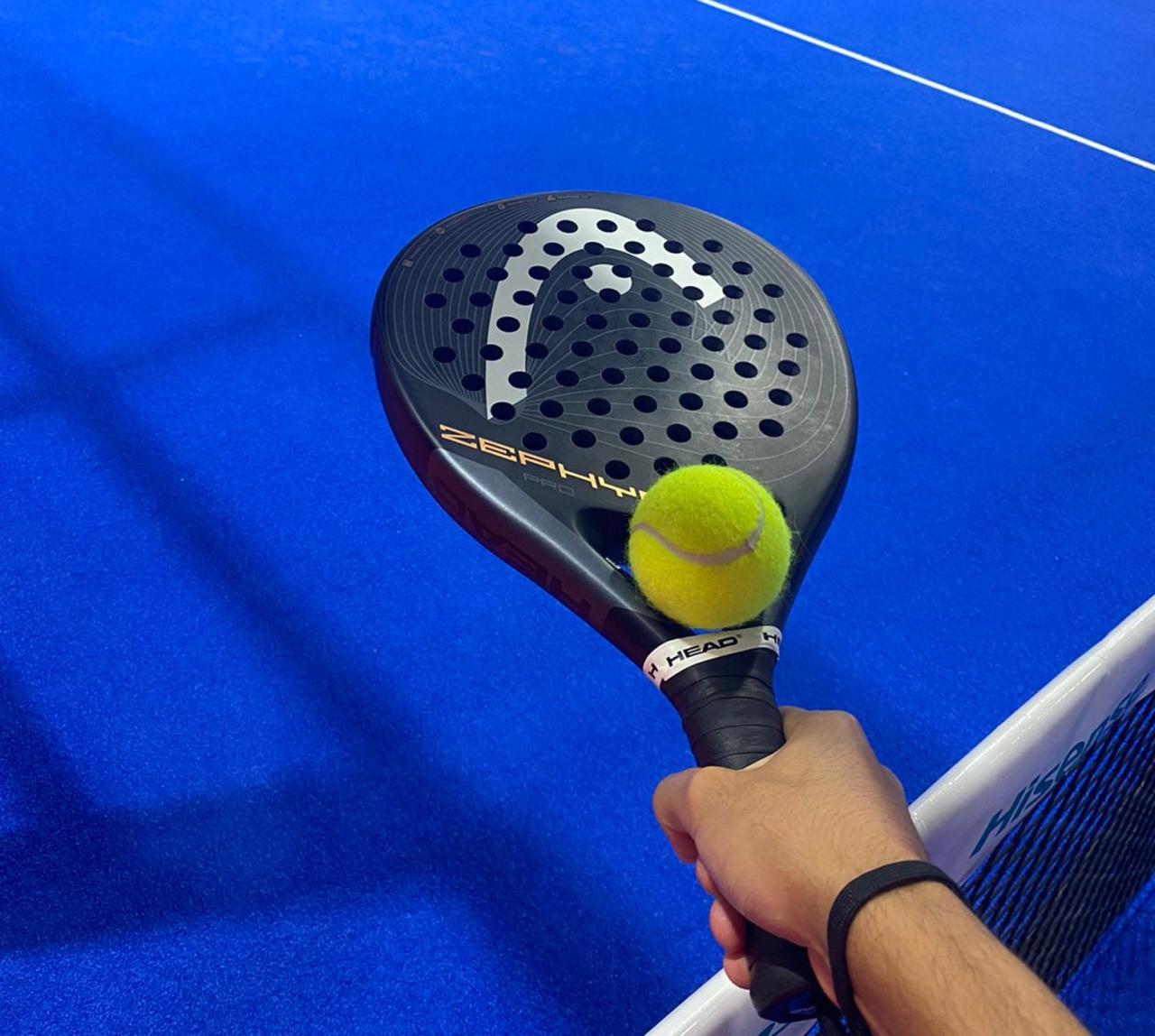
Mastering padel involves more than just knowing your own game plan. Understanding your opponent’s playing style is crucial for adjusting your strategy and maximizing your chances of winning. By identifying their strengths and weaknesses, you can anticipate their moves and exploit their vulnerabilities, turning the match in your favor.Knowing your opponent’s style allows you to develop a tailored game plan.
This adaptability is key to success in any sport, but particularly in padel, where the fast-paced nature and constant court movement demand flexibility. A well-defined response to an opponent’s style can often lead to unexpected victories.
Identifying Opponent’s Playing Style
Understanding your opponent’s style requires keen observation. Pay close attention to their movement patterns, shot selection, and overall approach to the game. Do they favor aggressive volleys or strategic baseline play? Do they tend to attack the net or prefer to control the point from the back of the court? By carefully observing their actions, you can begin to classify their style and anticipate their next moves.
Consider how they react to different situations on the court, like when they’re under pressure or when they’re in a winning position.
Strategies for Aggressive Opponents, Padel strategies for beginners to win more points
Aggressive opponents often attack quickly and aggressively. To counter them, a solid defensive strategy is paramount. Focus on returning their shots with precision and control, rather than trying to match their speed. Use the walls strategically to your advantage, redirecting their shots back at them with calculated angles. Don’t be afraid to use your body to block shots, and maintain a balanced stance.
Countering Baseline Players
Players who predominantly play from the baseline typically rely on powerful groundstrokes. Your strategy should revolve around disrupting their rhythm. Try to force them to come to the net, or to move from side to side to increase the likelihood of unforced errors. Use drop shots, volleys, and precise shots to dictate the point and force them out of their comfort zone.
Anticipate their shots and position yourself to return them efficiently.
Responding to Different Opponent Styles
| Opponent Style | Optimal Response |
|---|---|
| Aggressive | Solid defense, precise returns, strategic wall play |
| Defensive | Maintain control of the point, use the court effectively, patient play |
| All-Court | Balanced approach, anticipate shots, adapt to their strengths and weaknesses |
Understanding and adapting to different opponent styles is a key skill in padel. Each style requires a unique response. An aggressive opponent necessitates a defensive counter-play, while a baseline player demands a strategy to disrupt their rhythm. An all-court player requires a flexible approach that adjusts to their various strategies.
Advanced Tactics for Advanced Players
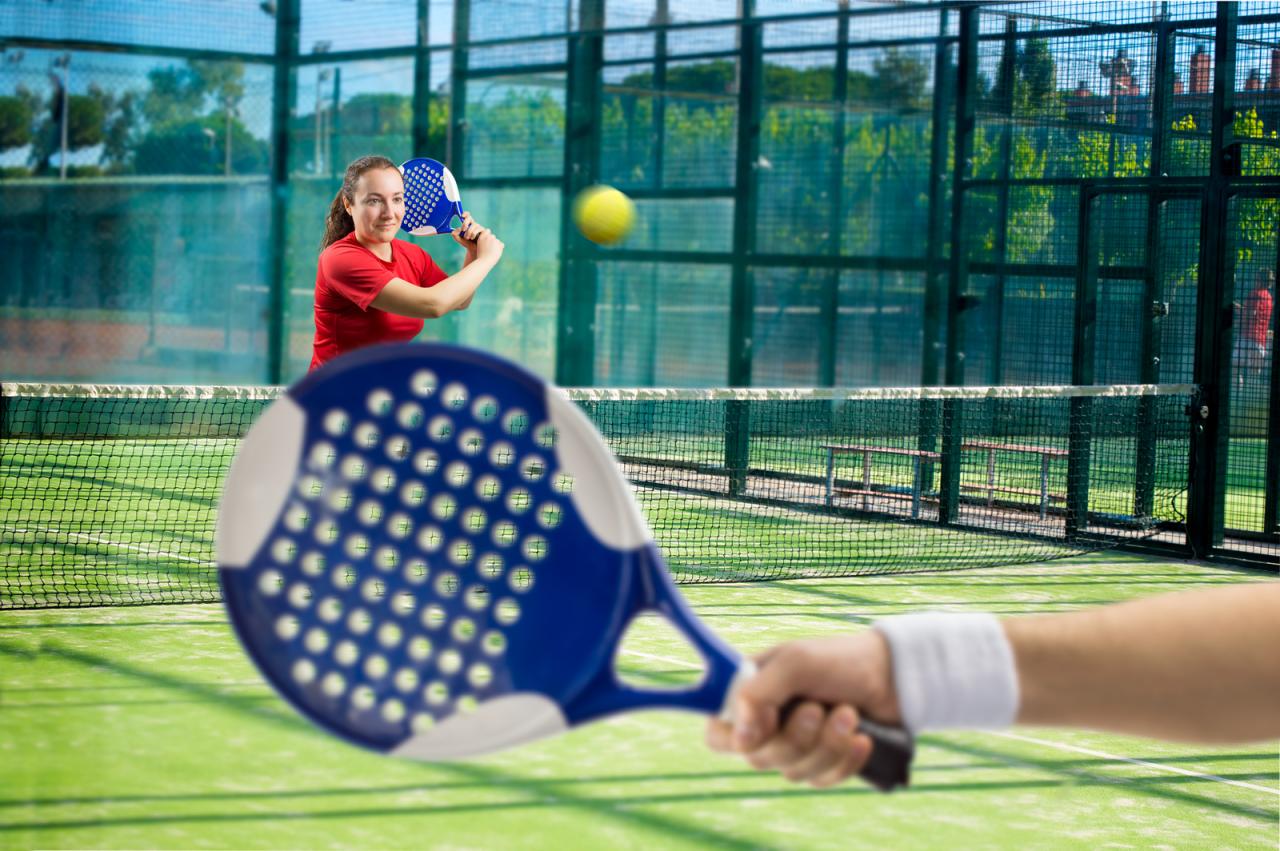
Mastering padel requires more than just basic strokes and positioning. Advanced players understand the nuances of strategic shot selection, exploiting opponent weaknesses, and employing advanced court positioning to dominate the game. This section delves into the sophisticated techniques that elevate play beyond the beginner level.Advanced padel play demands a keen understanding of your opponent’s tendencies and a proactive approach to anticipate their next move.
It’s not just about reacting to their shots, but about shaping the point in your favor through calculated risk-taking and precise shot placement.
Strategic Shot Selection and Placement
Advanced shot selection goes beyond simply hitting the ball hard. It involves choosing the perfect shot to maximize your chances of winning the point. This involves a deep understanding of court angles, the rhythm of the game, and your opponent’s strengths and weaknesses. Consider factors like your opponent’s current position, the pace of the game, and the overall dynamics of the rally.
- Drop Shots: Executing a precise drop shot, often delivered with a soft touch, can disrupt your opponent’s rhythm and gain a decisive advantage. This shot is most effective when placed strategically, forcing your opponent to rush their shot, increasing their error rate. These are often used to change the pace of play, particularly when followed by a quick volley.
- Lobs: A well-placed lob can be a game-changer, especially if the opponent is positioned aggressively near the net. The lob can create opportunities for a winner or force a defensive position for your opponent, setting you up for a winning shot.
- Aggressive Net Play: Advanced players master aggressive net play. This involves anticipating the opponent’s shot and getting to the net quickly to volley, aiming to convert points from near the net. Effective net play relies on anticipation, speed, and a consistent volley.
Exploiting Opponent Weaknesses
Identifying and exploiting your opponent’s weaknesses is crucial for winning. Observe their tendencies, such as their preferred shot types, their tendencies to rush, and their weaknesses in court positioning. Anticipate their errors, and create opportunities to capitalize on their vulnerabilities. This involves studying their playing style and seeking patterns in their gameplay.
- Weaknesses in Court Positioning: If your opponent consistently struggles to defend shots from a specific court area, target that area to force errors. This involves carefully observing where your opponent positions themselves during rallies.
- Weaknesses in Shot Selection: If your opponent consistently misses drop shots, make them a key part of your strategy. This includes studying their strengths and weaknesses in terms of shot execution and placement.
Advanced Court Positioning Techniques
Mastering court positioning allows you to dictate the pace and direction of the rally. Understanding where to position yourself to maximize your chances of winning is essential. Advanced players position themselves to create opportunities for strategic shots, such as lobs or drop shots.
- Predictive Positioning: Anticipate your opponent’s next move and position yourself to exploit their potential errors. This involves a combination of reading the game, understanding the dynamics of the rally, and assessing the opponent’s tendencies.
- Strategic Movement: Move efficiently around the court, positioning yourself to receive shots, and create opportunities for offensive shots. This involves studying the court layout, the trajectory of shots, and your opponent’s movement patterns.
Examples of Advanced Strategies
Advanced strategies combine various techniques to create winning opportunities.
- Drop Shot Followed by a Volley: A well-executed drop shot can force an opponent to rush their shot, setting up an opportunity for a quick volley at the net.
- Lobbing Followed by a Counter-Attack: A powerful lob forces your opponent to move back, creating space for a counter-attack with a strategic shot.
- Aggressive Net Play to Control the Point: Advanced net play involves anticipation and the ability to quickly volley to control the point from a position close to the net.
Final Conclusion

In summary, mastering padel strategies for beginners involves a combination of fundamental skills, strategic positioning, and adaptable techniques. By understanding your opponent, practicing drills, and developing a positive mental approach, you can significantly improve your game and win more points. This guide provides a comprehensive framework to help you achieve success on the padel court.
Frequently Asked Questions
What are some common mistakes beginners make in padel?
Common mistakes include poor court positioning, inconsistent stroke technique, and not adapting to different opponent styles. Also, neglecting mental strategies can significantly impact performance.
How important is court positioning in padel?
Court positioning is crucial. It dictates shot angles, anticipation, and the ability to control the point. Strategic positioning can be the difference between winning and losing a point.
What are some basic padel drills to improve my skills?
Practice drills focused on improving your strokes and court positioning are essential. These can include hitting specific shots, returning serves, and anticipating your opponent’s movements.
How can I identify my opponent’s playing style?
Observe their dominant shots, court positioning, and general approach to the game. Paying attention to their strengths and weaknesses allows you to adapt your strategy.