Padel fitness program for improved agility provides a structured approach to enhance your game. This program delves into various training methods, focusing on agility, speed, and strength to elevate your performance on the padel court. The guide covers everything from foundational principles to advanced techniques, ensuring a holistic approach to your fitness journey.
From warm-up routines and agility drills to strength training and nutritional considerations, this comprehensive program equips you with the tools to maximize your potential. Learn how to design personalized workouts, track your progress, and adapt your routine to achieve your specific goals.
Introduction to Padel Fitness
Padel fitness encompasses a holistic approach to training that prepares athletes for the demanding physical requirements of padel. It combines specific strength, conditioning, and agility exercises tailored to the unique movements and needs of the sport. This approach emphasizes not just physical prowess, but also injury prevention and long-term athletic development.
Core Principles of Padel Fitness Training
Padel fitness training prioritizes functional movements. This means exercises are designed to mimic the actions required in a padel match, such as quick changes in direction, explosive bursts of speed, and maintaining balance during dynamic play. These movements are not isolated; rather, they integrate multiple muscle groups for a comprehensive workout. Furthermore, a crucial principle is progressive overload, gradually increasing the intensity and complexity of training to challenge the athlete and facilitate improvement over time.
This systematic approach promotes adaptation and avoids plateaus.
Importance of Agility in Padel
Agility is paramount in padel due to the frequent and rapid changes in direction, speed, and positioning required during a match. The ability to accelerate, decelerate, and change direction quickly is vital for effectively covering the court, anticipating shots, and making timely plays. Superior agility enables players to react to opponents’ actions, intercept balls, and execute strategic movements with precision.
Agility also contributes to reducing the risk of injury by improving balance and coordination.
Types of Padel Fitness Programs
Various types of padel fitness programs cater to different needs and goals. These programs can range from beginner-level introductory sessions focusing on fundamental movements and court awareness to advanced programs emphasizing high-intensity interval training (HIIT) and specialized drills for improving reaction time and court coverage. More advanced programs may also incorporate plyometrics for power enhancement and core stability training for improved balance and stability.
Key Components of a Typical Padel Fitness Program
A well-structured padel fitness program typically includes a warm-up, drills, and a cool-down phase. This structure prepares the body for the physical demands of the workout, allows for specific skill development, and aids in recovery.
| Component | Description |
|---|---|
| Warm-up | Includes dynamic stretching, light cardio exercises, and mobility drills to prepare the body for the workout. This phase enhances blood flow and elevates body temperature, reducing the risk of injury and improving performance. Examples include arm circles, leg swings, and torso twists. |
| Drills | Focuses on specific skills and movements related to padel. These drills are designed to enhance agility, speed, and reaction time. Examples include shuttle runs, cone drills, and ball-handling exercises simulating match situations. |
| Cool-down | Involves static stretching to improve flexibility and reduce muscle soreness. This phase helps the body return to its resting state and promotes recovery. Examples include holding stretches for each muscle group, such as hamstring stretches and quadriceps stretches. |
Agility Training Methods for Padel
Agility is crucial for success in padel, requiring rapid changes in direction, acceleration, and deceleration. Effective agility training programs are essential for padel players to enhance their performance and reduce the risk of injury. This section explores various agility drills tailored for padel, highlighting the importance of speed and quickness, and detailing exercises to improve lateral movement.
Agility Drills Specific to Padel
Effective padel agility training goes beyond general agility drills. Players must focus on movements that replicate the dynamic actions of the game, such as quick changes of direction, lateral shuffles, and sudden stops. These drills improve the player’s ability to respond to the unpredictable nature of padel matches.
Importance of Speed and Quickness in Padel
Speed and quickness are integral components of padel performance. Rapid acceleration and deceleration are crucial for reacting to opponents’ shots and covering the court effectively. Quickness enables players to change direction rapidly and execute shots with precision. Players must be able to react to incoming balls and respond with the necessary speed to return the shot. This often involves reacting to the ball’s trajectory and the opponent’s movement.
Exercises to Improve Lateral Movement in Padel
Lateral movement is paramount in padel. Exercises that enhance lateral agility are critical for covering the court efficiently and reacting to shots. Players must practice lateral shuffles, slides, and quick cuts to mirror the movements required in competitive matches. These movements are often crucial in recovering position after a volley or approaching the net.
Comparison of Agility Training Methods
| Agility Training Method | Description | Benefits | Examples |
|---|---|---|---|
| Ladder Drills | Involves running various patterns along agility ladders, focusing on footwork and quick changes of direction. | Improves foot speed, agility, and coordination. | Forward, backward, side-to-side shuffles, and combinations. |
| Cone Drills | Involves running around cones placed in various patterns, simulating court movements. | Develops change-of-direction speed and agility. | Zig-zag runs, figure-eights, and weaving patterns. |
| Agility Ladders | Utilizing agility ladders for specific drills focused on quick footwork and lateral movement. | Enhances coordination and reaction time. | Box jumps, shuffles, and high knees. |
This table demonstrates the diverse range of agility drills available and the specific advantages they provide for padel players.
Examples of Agility Drills in a Padel Fitness Program
A comprehensive padel fitness program should incorporate a variety of agility drills. Examples include:
- Shuttle Runs: Running between two points, emphasizing quick acceleration and deceleration.
- Cone Circuits: Running through a circuit of cones, changing direction and speed to mimic court movements.
- Ladder Drills: Performing various drills on agility ladders to improve footwork and coordination.
- Lateral Shuffles: Practicing lateral movements in various directions to improve agility and quickness.
These drills can be incorporated into warm-up routines and specific agility training sessions.
Effectiveness of Different Agility Training Approaches
The effectiveness of different agility training approaches varies based on the specific needs and goals of the padel player. A combination of ladder drills, cone drills, and agility ladder exercises can be highly effective for improving overall agility and reaction time. A well-designed program will cater to the player’s individual strengths and weaknesses, providing a personalized approach to agility development.
For example, a player struggling with lateral movement might benefit from more focused exercises on lateral shuffles and quick cuts.
Fitness Components in Padel Programs
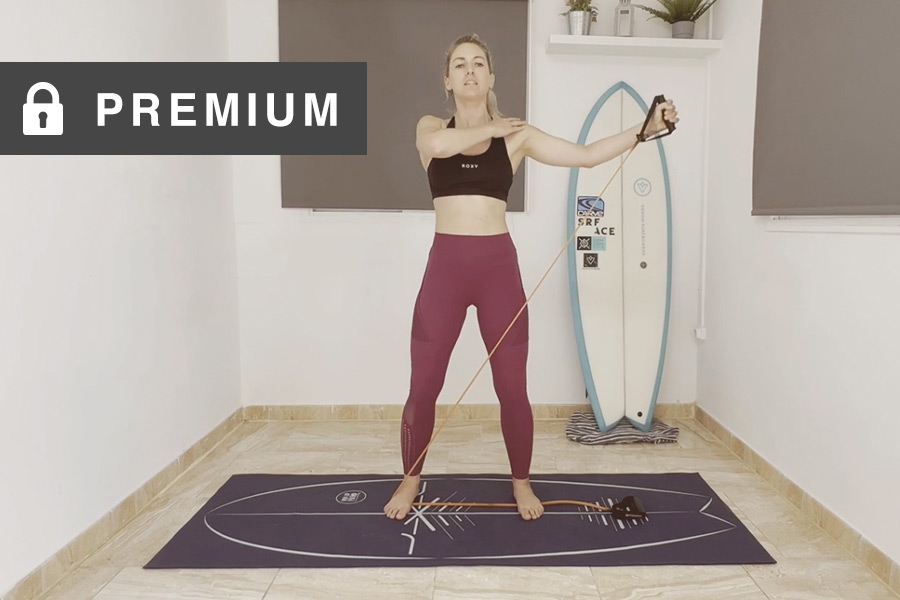
Padel tennis, a fast-paced sport requiring bursts of speed, agility, and precision, demands a holistic fitness approach. Effective padel fitness programs must incorporate various components to optimize performance and reduce the risk of injury. This section delves into the crucial roles of strength training, cardiovascular fitness, flexibility, and balance in a comprehensive padel training regime.
Significance of Strength Training for Padel
Strength training is fundamental for padel players, enhancing power output during shots, accelerating movement, and improving overall physical resilience. Muscular strength facilitates explosive movements like serves and volleys, and contributes to maintaining a strong core for stability during quick changes of direction. Strength training programs should target the major muscle groups employed in padel, including legs, core, and upper body.
Exercises that mimic padel actions, such as plyometrics and resistance training, prove particularly beneficial. Players can achieve optimal performance and injury prevention through targeted strength training.
Role of Cardiovascular Fitness in Padel
Cardiovascular fitness is crucial for sustained performance throughout a padel match. The dynamic nature of the game demands repeated bursts of high-intensity activity followed by periods of moderate exertion. Players need a high level of cardiovascular endurance to maintain energy levels and stamina, preventing fatigue and enabling them to perform consistently at their best. Exercises like running, cycling, and swimming can effectively build cardiovascular capacity.
Importance of Flexibility and Balance for Padel Players
Flexibility and balance are essential components of a well-rounded padel fitness program. Adequate flexibility allows for a wider range of motion during shots and movement, reducing the risk of muscle strains and improving overall performance. Balance, critical for maintaining stability during rapid changes of direction and quick movements, is equally important. Exercises that improve both flexibility and balance, such as yoga, Pilates, and balance board exercises, can significantly enhance a player’s agility and reduce the risk of injury.
Incorporating Strength, Endurance, and Flexibility into a Padel Fitness Program
A comprehensive padel fitness program should integrate strength training, cardiovascular endurance, and flexibility exercises. A sample program could include:
- Strength Training: Squats, lunges, deadlifts, push-ups, rows, and core exercises like planks and Russian twists, performed 2-3 times per week.
- Cardiovascular Training: Running, interval training, cycling, and swimming, performed 2-3 times per week.
- Flexibility and Balance Training: Yoga, Pilates, stretching routines, and balance board exercises, performed 1-2 times per week.
Consistent implementation of these exercises can effectively enhance a player’s overall fitness.
Specific Exercises Targeting Muscle Groups Used in Padel
Specific exercises can target the key muscle groups involved in padel movements.
- Legs: Squats, lunges, plyometric jumps (box jumps, depth jumps) and hamstring curls are crucial for power and agility.
- Core: Planks, Russian twists, leg raises, and bicycle crunches enhance stability and core strength.
- Upper Body: Push-ups, rows, shoulder presses, and lateral raises are essential for generating power and controlling the racquet.
The targeted approach to muscle group training is crucial to ensure optimal performance and prevent injuries.
Key Fitness Components and their Relation to Padel Performance
| Fitness Component | Description | Relation to Padel Performance |
|---|---|---|
| Strength | Muscular power and endurance | Essential for powerful shots, quick movements, and overall physical resilience |
| Cardiovascular Endurance | Ability to sustain activity | Crucial for maintaining energy levels and stamina throughout a match |
| Flexibility | Range of motion | Reduces injury risk and improves shot execution |
| Balance | Maintaining stability | Critical for quick changes of direction and maintaining control |
This table summarizes the key fitness components and their direct impact on a padel player’s overall performance.
Program Design and Structure
Padel fitness programs must be tailored to individual player needs and goals for optimal results. A well-structured program considers the player’s current fitness level, experience, and desired outcomes. This includes focusing on specific fitness components crucial for padel performance, such as agility, speed, power, and endurance. Progression is key, ensuring that exercises become progressively challenging and adaptable to avoid plateaus and injuries.A robust program design should incorporate a variety of training methods, including plyometrics, strength training, and agility drills, strategically sequenced to maximize the development of relevant physical capacities.
This approach enhances the player’s overall fitness, enabling them to perform at their peak during padel matches.
Beginner Padel Fitness Program Structure
A beginner program should focus on building a solid foundation of fitness and introducing fundamental padel-specific movements. It should prioritize proper form and technique over intensity and volume.
- Warm-up (5-10 minutes): Dynamic stretching exercises like arm circles, leg swings, and torso twists, combined with light cardio like jogging or jumping jacks, prepare the body for activity. This prepares muscles for movement and reduces the risk of injury.
- Agility Drills (15-20 minutes): Simple agility ladder drills, cone drills, and shuttle runs focus on improving footwork and change of direction. Examples include forward/backward shuffles, side shuffles, and high knees.
- Strength Training (15-20 minutes): Bodyweight exercises such as squats, lunges, push-ups, and planks build strength and stability. These exercises focus on core strength, leg strength, and upper body strength.
- Endurance Training (15-20 minutes): Low-intensity cardio like brisk walking or cycling enhances cardiovascular fitness. This component is crucial for maintaining energy levels during extended padel matches.
- Cool-down (5-10 minutes): Static stretching exercises, holding each stretch for 20-30 seconds, promotes flexibility and recovery. Examples include hamstring stretches, quad stretches, and calf stretches.
Intermediate Padel Fitness Program Structure
Intermediate players can build upon the foundation established in the beginner program. This program increases the intensity, volume, and complexity of exercises.
- Warm-up (10-15 minutes): More dynamic stretches, including torso twists, arm circles, and leg swings, but with a greater range of motion and intensity. This is a crucial preparatory phase.
- Agility Drills (20-25 minutes): Advanced agility ladder drills, incorporating more complex patterns and speed. Exercises might include box jumps, lateral bounds, and plyometric drills.
- Strength Training (20-30 minutes): Compound exercises like deadlifts, squats, and bench presses, alongside isolation exercises for targeted muscle groups, improve strength and power. This phase focuses on progressive overload.
- Endurance Training (25-35 minutes): Interval training, alternating high-intensity bursts with recovery periods, improves anaerobic and aerobic capacity. This component focuses on developing endurance for extended matches.
- Cool-down (10-15 minutes): Static stretching with a longer duration and more advanced stretches, holding each stretch for 30-60 seconds. This phase enhances flexibility and recovery.
Progression of Exercises in Padel Fitness Programs
Progression is essential for avoiding plateaus and maximizing improvements. Exercises should gradually increase in difficulty, volume, or intensity.
- Beginner to Intermediate: Start with basic exercises, gradually increasing the repetitions, sets, or resistance. For example, progress from bodyweight squats to goblet squats with weights.
- Intermediate to Advanced: Introduce more complex exercises and variations, increasing the intensity and volume progressively. This might involve incorporating plyometrics and more advanced agility drills.
Frequency, Intensity, and Duration Recommendations
Optimal results require adherence to specific frequency, intensity, and duration guidelines.
| Category | Frequency | Intensity | Duration |
|---|---|---|---|
| Beginner | 2-3 times per week | Moderate | 45-60 minutes |
| Intermediate | 3-4 times per week | Moderate to High | 60-90 minutes |
4-Week Padel Fitness Program (Beginner)
This is a sample program, and adjustments should be made based on individual needs and goals.
- Week 1-2: Focus on foundational exercises with low to moderate intensity, emphasizing proper form and technique.
- Week 3-4: Gradually increase the intensity and duration of workouts, adding more repetitions and sets while maintaining good form.
Adjusting the Program
Individual player needs and goals should always be considered when adapting the program. Adjustments might include modifying the exercises, frequency, intensity, and duration to align with the individual’s specific needs.
Safety and Injury Prevention in Padel Fitness

Padel, a fast-paced racquet sport, requires a high degree of agility, strength, and endurance. While these attributes are crucial for optimal performance, a lack of proper training methodologies and safety precautions can lead to injuries. This section addresses the critical aspects of injury prevention in a padel fitness program, ensuring safe and effective training.Proper safety protocols are paramount in padel fitness programs.
A comprehensive approach to injury prevention includes meticulous warm-up and cool-down routines, the maintenance of proper form during exercises, and the modification of exercises as needed to accommodate individual limitations. Furthermore, understanding common injuries and incorporating adequate rest and recovery periods into the program are essential components for long-term well-being and performance.
Common Padel Injuries
Padel players are susceptible to a variety of injuries, often stemming from repetitive movements, rapid changes in direction, and the exertion required for prolonged play. Common injuries include ankle sprains, hamstring strains, knee injuries (patellofemoral pain syndrome, meniscus tears), wrist and elbow tendinopathies, and back pain. Understanding the potential for these injuries allows for proactive measures to prevent them.
Proper Warm-up and Cool-down Procedures
A thorough warm-up is essential to prepare the body for the demands of padel fitness training. It should include dynamic stretching exercises that increase blood flow and prepare the muscles for movement. Static stretching, held for 15-30 seconds, should also be incorporated to improve flexibility and range of motion. The cool-down period is equally crucial. It allows the body to gradually return to a resting state, reducing muscle soreness and promoting recovery.
A cool-down should include static stretching and light cardio exercises, such as brisk walking.
Importance of Proper Form During Exercises
Maintaining proper form during exercises is critical for injury prevention. Exercises should be performed with controlled movements, avoiding jerky or forceful actions. This is particularly important for exercises targeting the lower body, such as squats and lunges, to minimize stress on joints and ligaments. Proper form minimizes risk of overuse injuries and ensures the exercise targets the intended muscle groups.
Coaches and trainers should meticulously supervise form to provide necessary corrections.
Modifying Exercises to Prevent Injuries, Padel fitness program for improved agility
Modifying exercises to accommodate individual limitations and prevent injuries is crucial. For example, individuals with pre-existing knee problems might need to modify squats or lunges by using lighter weights or reducing the depth of the exercise. Modifications can include using resistance bands, or performing exercises on a softer surface, to reduce impact and stress on joints.
Guidelines for Incorporating Rest and Recovery into a Padel Fitness Program
Rest and recovery are integral to a successful padel fitness program. Adequate rest allows muscles to repair and rebuild, preventing overuse injuries. Incorporating rest days into the program is vital, along with sleep hygiene practices. Consider a structured rest schedule that alternates high-intensity sessions with lower-intensity days. Proper nutrition and hydration also play a crucial role in recovery.
Table Summarizing Common Padel Injuries and Preventative Measures
| Injury | Description | Preventative Measures |
|---|---|---|
| Ankle Sprains | Damage to ligaments surrounding the ankle joint | Proper warm-up, strength training for ankle stability, use of supportive footwear, and gradual increases in intensity. |
| Hamstring Strains | Tear or strain in the hamstring muscles | Dynamic stretching, adequate warm-up, strength training for hamstring muscles, and avoiding sudden bursts of speed. |
| Knee Injuries | Patellofemoral pain syndrome, meniscus tears | Proper warm-up, strengthening exercises for knee muscles, maintaining proper form during exercises, and avoiding excessive impact. |
| Wrist and Elbow Tendinopathies | Overuse injuries of the tendons in the wrist and elbow | Proper form during racket sports, strength training for forearm muscles, and adequate rest periods. |
| Back Pain | Pain in the back muscles and supporting structures | Maintaining good posture, core strengthening exercises, and avoiding improper lifting techniques. |
Nutritional Considerations for Padel Fitness: Padel Fitness Program For Improved Agility
Proper nutrition is crucial for optimal performance and recovery in padel, a sport demanding significant physical exertion and agility. A well-structured dietary approach can enhance energy levels, support muscle function, and aid in injury prevention, ultimately leading to improved performance and a more enjoyable playing experience. This section will explore the vital role of nutrition in supporting padel fitness.
Importance of Hydration for Padel Players
Adequate hydration is paramount for padel players. Dehydration can lead to decreased performance, muscle cramps, and impaired cognitive function. The high intensity and duration of padel matches, combined with the exertion in agility training, significantly increase fluid loss through sweat. Maintaining proper hydration levels is vital for maintaining optimal physiological function during and after a workout. Replacing lost fluids and electrolytes is crucial for sustained performance and recovery.
Sample Meal Plans for Padel Players
Sample meal plans for padel players should be individualized based on individual caloric needs, training intensity, and body composition goals. However, general guidelines can be followed. A balanced approach emphasizing complex carbohydrates, lean proteins, and healthy fats is essential. These provide sustained energy, support muscle repair, and promote overall well-being. Examples of suitable meal plans will vary based on specific dietary needs and preferences.
Importance of Protein Intake for Muscle Recovery
Protein plays a critical role in muscle repair and growth, which is essential for padel players. The high-intensity nature of padel requires significant muscle exertion. Consuming sufficient protein post-workout aids in muscle recovery and the rebuilding of muscle tissue damaged during exercise. Adequate protein intake supports muscle growth and repair, reducing the risk of delayed-onset muscle soreness (DOMS) and facilitating faster recovery.
The recommended daily protein intake for athletes can vary based on factors like training volume and individual needs.
Benefits of Consuming Fruits and Vegetables for Overall Health
Fruits and vegetables are vital components of a healthy diet for all individuals, especially athletes. They provide essential vitamins, minerals, and antioxidants, which support overall health and well-being. These nutrients contribute to improved immune function, reduced inflammation, and enhanced recovery. The high content of antioxidants helps neutralize harmful free radicals, potentially reducing oxidative stress, a key factor in muscle damage.
Fruits and vegetables also provide necessary dietary fiber for digestive health.
Dietary Recommendations for Padel Players
| Phase | Macronutrient Focus | Specific Considerations |
|---|---|---|
| Before Workout | Complex carbohydrates for sustained energy. Moderate protein to avoid digestive distress. | Avoid high-fat foods close to exercise to prevent feelings of nausea. Consume a meal or snack 2-3 hours prior to training. |
| During Workout | Electrolyte-rich drinks and small snacks (e.g., energy gels, dried fruit) to replenish lost nutrients. | Stay hydrated by sipping water or sports drinks regularly. Small snacks can provide additional energy without disrupting performance. |
| After Workout | High-quality protein for muscle recovery and repair. Complex carbohydrates for replenishing glycogen stores. | Consume a meal or protein shake within 1-2 hours after training to optimize recovery. |
Last Word

In conclusion, the padel fitness program for improved agility offers a practical and effective roadmap for players of all levels. By incorporating the Artikeld training methods, nutritional strategies, and injury prevention measures, you can significantly enhance your performance and enjoyment of the sport. Remember to listen to your body, adjust the program as needed, and celebrate your progress along the way.
Questions and Answers
What are the most common injuries in padel?
Common padel injuries include wrist sprains, ankle sprains, and knee pain. Proper warm-up and cool-down routines, along with the correct form during exercises, can greatly reduce the risk.
How often should I do the padel fitness program?
The frequency of workouts depends on your experience level and goals. Beginners might start with 2-3 sessions per week, gradually increasing as fitness improves. Consult a professional for personalized recommendations.
What types of strength training are best for padel?
Strength training should focus on compound exercises that target multiple muscle groups, like squats, deadlifts, and lunges. These exercises build overall strength and power, crucial for padel movements.
What is the ideal duration for a padel fitness workout?
Workout duration varies depending on the type of workout and your fitness level. Start with shorter durations and gradually increase as your fitness improves. A well-structured program will guide you on the ideal duration for different sessions.