Beginner padel court etiquette and rules are crucial for a positive and enjoyable playing experience. Mastering these fundamental guidelines ensures smooth gameplay, respect for others, and a welcoming atmosphere for all participants.
This guide provides a comprehensive overview of essential etiquette, rules, court positioning, communication, and more. Learn how to navigate the court confidently and respectfully, from basic courtesies to advanced considerations. Understanding the nuances of beginner padel etiquette will elevate your game and enhance your overall experience.
Introduction to Padel Court Etiquette
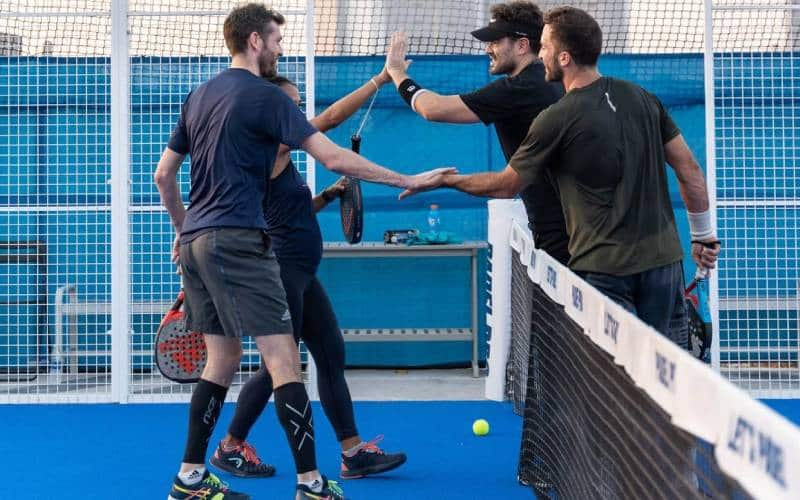
Padel, a fast-paced and exciting sport, thrives on respectful interaction between players. Proper etiquette ensures a positive and enjoyable experience for everyone on the court. Understanding the rules and courtesies of padel is crucial for maintaining a fair and friendly atmosphere.A crucial aspect of a positive padel experience is adhering to etiquette. Etiquette in padel transcends the technical aspects of the game, focusing on respectful behavior and considerate actions that benefit all participants.
By adopting good etiquette, players create a more enjoyable and harmonious atmosphere for everyone.
Key Principles of Padel Etiquette
Good padel etiquette is built on several key principles. These principles are fundamental to creating a positive playing environment. Respecting the other players, their equipment, and the court itself are paramount. Fair play and sportsmanship are essential for a rewarding experience. Players should always act with courtesy and consideration, ensuring everyone feels welcome and valued.
Common Courtesies in Padel
Courteous behavior fosters a positive playing environment for everyone involved. Following established courtesies is vital for maintaining a friendly atmosphere and a smooth flow of play.
Basic Padel Courtesies
| Courtesies | Actions |
|---|---|
| Waiting for your turn | Players should wait their turn to serve or return the ball, avoiding rushing into play before others are ready. This prevents interruptions and allows the flow of the game to proceed smoothly. |
| Respecting Court Space | Players should avoid interfering with other players’ shots by ensuring they don’t stand in a position that obstructs the view or movement of other players. |
| Clearing the Court | Players should ensure the court is clear of obstacles like dropped equipment or stray items before starting their turn, so others can play without obstruction. |
| Acknowledging Mistakes | If a player accidentally interferes with another player’s shot or commits an error, they should promptly acknowledge it, maintaining a positive and fair attitude. An apology, or simply acknowledging the incident with a verbal cue, can go a long way. |
| Responding to Calls | Players should promptly respond to calls made by the umpire or other players. If there’s a query, respond promptly to maintain the flow of the game. |
| Handling Disputes | Players should address any disputes or disagreements in a calm and respectful manner. This could involve consulting the rules or asking the umpire for clarification, ensuring the matter is handled fairly and professionally. |
Court Positioning and Movement
Mastering court positioning is crucial for success in padel. Proper positioning allows you to anticipate your opponent’s shots, effectively return the ball, and create scoring opportunities. Understanding how to move efficiently and safely around the court is equally important, minimizing the risk of injury and maximizing your performance. This section provides beginners with the essential knowledge for optimal court positioning and movement.
Ideal Positioning for Beginners
Beginners should aim for a balanced position, neither too far back nor too close to the net. A slightly more central position allows for easier coverage of the court and greater flexibility in reacting to shots. This strategic position enables quicker transitions to different areas of the court, crucial for effectively covering the playing space. Avoid positioning yourself too far back, as this can limit your ability to react to incoming shots, and too close to the net, which can leave you vulnerable to well-placed shots.
Safe and Efficient Movement
Efficient movement is vital for success in padel. Focus on quick, controlled steps rather than long strides. Practice lateral movements, ensuring your weight is balanced to maintain stability. This approach reduces the risk of falls or injuries and maximizes the speed of your response to the ball’s trajectory. A key element is anticipating your opponent’s movements and positioning yourself to effectively cover the area they’re likely to target.
Common Mistakes in Court Positioning and Movement
Common mistakes include: standing too far back, making sudden, jerky movements, failing to anticipate the ball’s trajectory, and not maintaining a balanced position. These mistakes can lead to missed shots, injuries, and a less effective overall game strategy. By understanding and correcting these errors, players can significantly improve their performance and enjoyment of the sport.
Optimal Court Positioning for Different Plays
| Play Type | Ideal Positioning | Explanation |
|---|---|---|
| Receiving a serve | Mid-court, slightly angled towards the non-volley zone. | This allows for a balanced response to either short or deep serves, offering a good vantage point for reacting to the ball’s trajectory. |
| Returning a volley | Closer to the net, with a balanced stance. | Positioning yourself closer to the net allows for quick reactions and the opportunity for a direct volley return. |
| Covering a drop shot | Slightly angled towards the non-volley zone, with a forward-leaning posture. | Anticipating the drop shot’s trajectory allows you to quickly adjust your position and effectively cover the area it’s likely to land. |
| Responding to a powerful drive | Slightly back from the mid-court, with a balanced posture. | A slightly more withdrawn position gives you the space and time to adjust your stance and effectively return a powerful drive. |
Communication and Respect
Padel, a dynamic and engaging sport, thrives on mutual respect and clear communication. Effective communication not only enhances the game experience for everyone but also ensures a fair and enjoyable match for both teammates and opponents. This section will equip you with the tools to communicate respectfully and efficiently, fostering a positive atmosphere on the court.
The Importance of Clear Communication
Clear communication is paramount in padel. Misunderstandings can lead to frustrating delays, missed shots, and even arguments. By communicating effectively, you can avoid these issues, improve your teamwork, and elevate your game to new heights. Precise and timely communication ensures everyone is on the same page, leading to more coordinated plays and better results.
Effective Communication Strategies
Understanding how to communicate effectively is crucial for success on the court. Use clear, concise language. Instead of vague statements like “I think I’m going for that,” try “I’m going for the volley on the right.” This clarity minimizes misinterpretations and helps your teammates anticipate your actions.
Respectful Communication in Padel
Respectful communication involves more than just using polite language. Active listening, acknowledging your opponent’s effort, and offering constructive feedback are all vital aspects of respectful communication. For example, if a shot is close, acknowledge the opponent’s skill by saying “Nice shot!” or “Good play!” Similarly, if you make a mistake, don’t dwell on it. A simple “Sorry” or “My bad” suffices.
Common Communication Breakdowns
Communication breakdowns often stem from assumptions, impatience, or a lack of active listening. One common breakdown is when a player shouts instructions during a rally, creating distractions and disrupting the flow of the game. Another is failing to acknowledge your opponent’s efforts, which can create a negative atmosphere. Addressing these common issues with proactive strategies will enhance the overall experience.
Resolving Disagreements
Disagreements can arise during any padel match. A structured approach to resolving disagreements can help maintain a positive environment.
| Step | Action |
|---|---|
| 1. Acknowledge the issue | Calmly and respectfully state the concern. |
| 2. Identify the problem | Focus on the specific action or situation causing the issue. |
| 3. Seek solutions | Collaboratively brainstorm possible solutions. |
| 4. Agree on a solution | Find a compromise that works for everyone. |
| 5. Follow through | Ensure the agreed-upon solution is implemented. |
“Communication is the key to success in any team sport, and padel is no exception.”
Dealing with Mistakes and Challenges
Mastering padel is a journey filled with both exhilarating victories and inevitable setbacks. Learning to handle mistakes and navigate challenging situations gracefully is crucial for personal growth and a positive playing experience for everyone. This section dives deep into strategies for handling errors on the court, fostering a supportive atmosphere, and ultimately improving your overall padel performance.Effective padel players recognize that mistakes are part of the learning process.
They understand that every misstep presents an opportunity for improvement and growth. This section will Artikel ways to approach challenging situations with sportsmanship, resilience, and a focus on continuous development.
Handling Mistakes Gracefully
Mistakes are a natural part of any sport. In padel, they can stem from misjudgments, poor technique, or simply a momentary lapse in concentration. Learning to accept and learn from mistakes is essential for improvement. A key aspect of handling mistakes is to maintain composure. Avoid dwelling on errors; instead, focus on the next point and learn from the experience.
This approach helps maintain momentum and prevents frustration from affecting performance.
Approaching Challenging Situations
Challenging situations in padel can range from tight rallies to unexpected shots from opponents. The key to handling these moments is to remain calm and focused. Analyze the situation, identify the opponent’s tendencies, and adapt your strategy accordingly. Staying mentally strong and maintaining composure under pressure are vital for success. Visualization and pre-match mental preparation can greatly assist in overcoming challenges during a game.
The Role of Sportsmanship
Sportsmanship plays a crucial role in dealing with mistakes and challenges. A positive attitude and respectful conduct towards opponents and teammates are essential. Offer encouragement and constructive feedback, and accept mistakes with grace. Acknowledge your own errors and apologize if necessary. This fosters a supportive environment where everyone can improve and enjoy the game.
A player displaying sportsmanship, even when facing setbacks, often receives more support and inspiration.
Constructive Feedback and Support
Constructive feedback is a valuable tool for improvement. Instead of criticizing, offer specific and helpful suggestions. Focus on technique, strategy, or court positioning. Support your teammates by offering encouragement and words of support during challenging situations. This can involve recognizing a well-executed shot or acknowledging the effort being put in.
Providing constructive feedback is a great way to build trust and collaboration.
Mistakes and Handling Strategies
| Mistake Type | Handling Strategy | Example |
|---|---|---|
| Missed Shot | Acknowledge the miss, focus on the next shot, and adjust your strategy. | If you miss a volley, quickly analyze why (e.g., poor positioning, incorrect timing) and adapt your next shot accordingly. |
| Unforced Error (e.g., double fault) | Maintain composure, identify the cause of the error (e.g., poor technique, lack of concentration), and take a moment to refocus. | If you hit a poor backhand, assess whether it was a technique issue, a lack of focus, or a combination of both. |
| Poor Positioning | Adjust positioning, anticipate the opponent’s next move, and communicate with your partner to maintain a balanced game. | If you’re consistently in the wrong spot on the court, communicate with your partner, analyze your position, and adjust accordingly. |
| Communication Breakdown | Improve communication with your partner by using clear and concise calls and gestures. Address any communication breakdowns immediately. | If you and your partner are not on the same page during a rally, use simple calls and signals to coordinate effectively. |
| Frustration | Acknowledge your feelings and take a moment to calm down. Focus on the next point, and remind yourself of the learning process. | If you’re frustrated with a missed shot, take a deep breath and remind yourself that every point is a learning opportunity. |
Equipment and Court Maintenance: Beginner Padel Court Etiquette And Rules
Mastering padel involves more than just skill; it’s about respecting the game and its environment. Proper equipment care and court maintenance are crucial for enjoyable and fair play for everyone. By understanding these essentials, you’ll elevate your padel experience and contribute to a positive playing atmosphere.Maintaining your equipment and the court ensures consistent performance and longevity, fostering a positive and productive experience for all players.
This is vital for ensuring the quality of play for everyone involved.
Proper Use and Care of Padel Equipment
Proper equipment care significantly impacts performance and longevity. A well-maintained paddle and ball will improve your game, allowing you to better control the ball and maintain consistent shots. This extends the life of your equipment, reducing the need for frequent replacements.
- Paddle Care: Regular cleaning with a soft cloth and mild detergent prevents dirt and grime from accumulating on the paddle’s surface. Avoid harsh chemicals or abrasive materials that could damage the paddle’s finish or components. Store the paddle in a designated area, protecting it from direct sunlight and extreme temperatures. Ensure that the paddle is kept away from sharp objects or rough surfaces that could scratch the paddle’s surface.
- Ball Care: Inspect padel balls regularly for damage. Replace balls that show signs of wear, such as cracks or significant dents, to maintain consistent performance. Proper storage in a dry and cool environment will also extend the ball’s lifespan. Avoid storing balls near heat sources or direct sunlight.
Importance of Maintaining the Court
Maintaining the court is vital for ensuring a safe and even playing surface for all participants. A well-maintained court allows for consistent ball bounce, preventing unexpected variations that could affect gameplay. This contributes to a more equitable and enjoyable experience for all players.
- Surface Cleanliness: Regular sweeping and cleaning of the court removes debris, ensuring a clear playing surface. This also minimizes the risk of injuries from tripping hazards. This contributes to a safer and more controlled playing environment.
- Surface Condition: Monitor the court’s surface for any signs of damage, such as cracks or unevenness. Address these issues promptly to prevent potential injuries and maintain consistent ball bounces. This is critical to ensure fair play for everyone.
Impact of Good Equipment Care and Court Maintenance on Gameplay
High-quality equipment and a well-maintained court contribute to a superior gameplay experience. This fosters a positive environment, encouraging consistent play and fair competition. This results in a more engaging and pleasurable game for all participants.
- Consistent Performance: Well-maintained equipment, including paddles and balls, provides consistent performance. This translates into more controlled shots, better ball handling, and ultimately, a more enjoyable and satisfying game.
- Reduced Injuries: A clean and well-maintained court reduces the risk of injuries caused by uneven surfaces or tripping hazards. This creates a safer environment for all players, promoting a more positive experience.
Importance of Proper Ball Handling, Beginner padel court etiquette and rules
Correct ball handling is crucial for maintaining fair play and enhancing the overall experience. It’s a fundamental aspect of the game that contributes significantly to the flow and fairness of the match.
- Returning the ball correctly: Returning the ball within the designated playing area is essential. This ensures a smooth and uninterrupted flow of play.
- Avoiding contact with other players: Maintain a safe distance from other players to avoid accidents during play. This minimizes the risk of collisions and ensures a respectful environment.
Procedure for Returning Equipment to its Designated Place
Returning equipment to its designated place is an important aspect of padel etiquette. This demonstrates respect for the facility and ensures that the equipment is readily available for subsequent players.
- Paddle Placement: Place the paddle in its designated rack or holder. This ensures easy access for the next player.
- Ball Return: Return the balls to the designated ball dispenser or container, ensuring they are stored properly.
- Court Cleanliness: Sweep or clean any debris from the playing area. This maintains the court’s condition for subsequent players.
Advanced Beginner Etiquette

Mastering padel etiquette elevates your game beyond basic rules. This stage focuses on proactive engagement, anticipating the needs of fellow players, and understanding the nuances of advanced play. Superior etiquette demonstrates respect for the game and the other players, creating a positive and enjoyable experience for everyone.Advanced beginner players are stepping into a more dynamic realm of padel.
They are now more aware of the intricate interplay between strategy, technique, and respectful conduct. This understanding allows for more effective court interaction, leading to a more rewarding and enjoyable experience for everyone involved.
Anticipating Player Needs
Understanding and anticipating the needs of other players is crucial at this level. It’s not just about following the rules; it’s about creating a positive and productive environment. This proactive approach fosters a sense of community and encourages continued growth. Anticipating the needs of others demonstrates a heightened awareness of the game’s dynamics, allowing for smoother play and enhanced enjoyment for all participants.
Advanced Court Conduct
Beyond basic rules, advanced beginner etiquette includes proactive awareness. Players should be alert to potential obstructions or hazards on the court, ensuring others can play safely. Anticipating the positioning of opponents and partners is vital. For example, if a teammate is positioned to receive a difficult shot, a player should move to a more advantageous position to offer support.
Similarly, players should be aware of their own movement, ensuring they do not create obstacles for other players.
Etiquette at Different Skill Levels
| Beginner Level | Intermediate Level | Advanced Level |
|---|---|---|
| Focus on fundamental rules and court awareness. | Understanding strategic positioning and anticipation. | Anticipating needs of others, proactively assisting, and maintaining a high standard of sportsmanship. |
| Respectful communication, primarily with partner. | Respectful communication with all players on the court. | Active communication to facilitate smooth play and problem-solving. |
| Limited knowledge of advanced strategies and tactics. | Understanding of advanced strategies and tactics. | Proficient application of advanced strategies and tactics. |
| Recognizing common errors and avoiding unnecessary challenges. | Handling mistakes and challenges with composure and understanding. | Proactively helping teammates, and providing feedback constructively. |
Communication and Respect
Clear and concise communication is key to maintaining a smooth flow of play. This includes confirming plays, anticipating plays, and acknowledging teammates’ efforts. For example, verbally acknowledging a well-played shot or a good return can enhance camaraderie and motivation. Maintain a positive and respectful tone, even during challenging moments.
Handling Mistakes and Challenges
Mistakes happen in padel, just like in any sport. However, advanced beginners should approach mistakes with a constructive mindset. Instead of dwelling on errors, they should learn from them and adapt their strategy. Offer encouragement and support to teammates, and avoid making critical comments. If a teammate makes a mistake, a supportive and understanding approach will help maintain a positive atmosphere.
Final Review
In conclusion, mastering beginner padel court etiquette and rules is vital for a positive and productive experience on the court. By understanding and applying these guidelines, players can foster a welcoming and respectful environment for everyone involved. This comprehensive guide equips you with the knowledge to excel on the court, both now and in the future. Remember, good sportsmanship is key!
Essential Questionnaire
What are some common courtesies on the padel court?
Common courtesies include waiting your turn, respecting court space, being mindful of other players, and offering assistance when needed.
How should I handle a mistake on the court?
Acknowledge the mistake, apologize if necessary, and focus on playing the next point. Avoid dwelling on past errors and maintain a positive attitude.
What’s the proper way to communicate with teammates and opponents?
Communicate clearly and respectfully, using positive language. Avoid arguments or unnecessary discussions. Focus on strategies and teamwork.
What are the basic rules regarding service and returns in beginner padel?
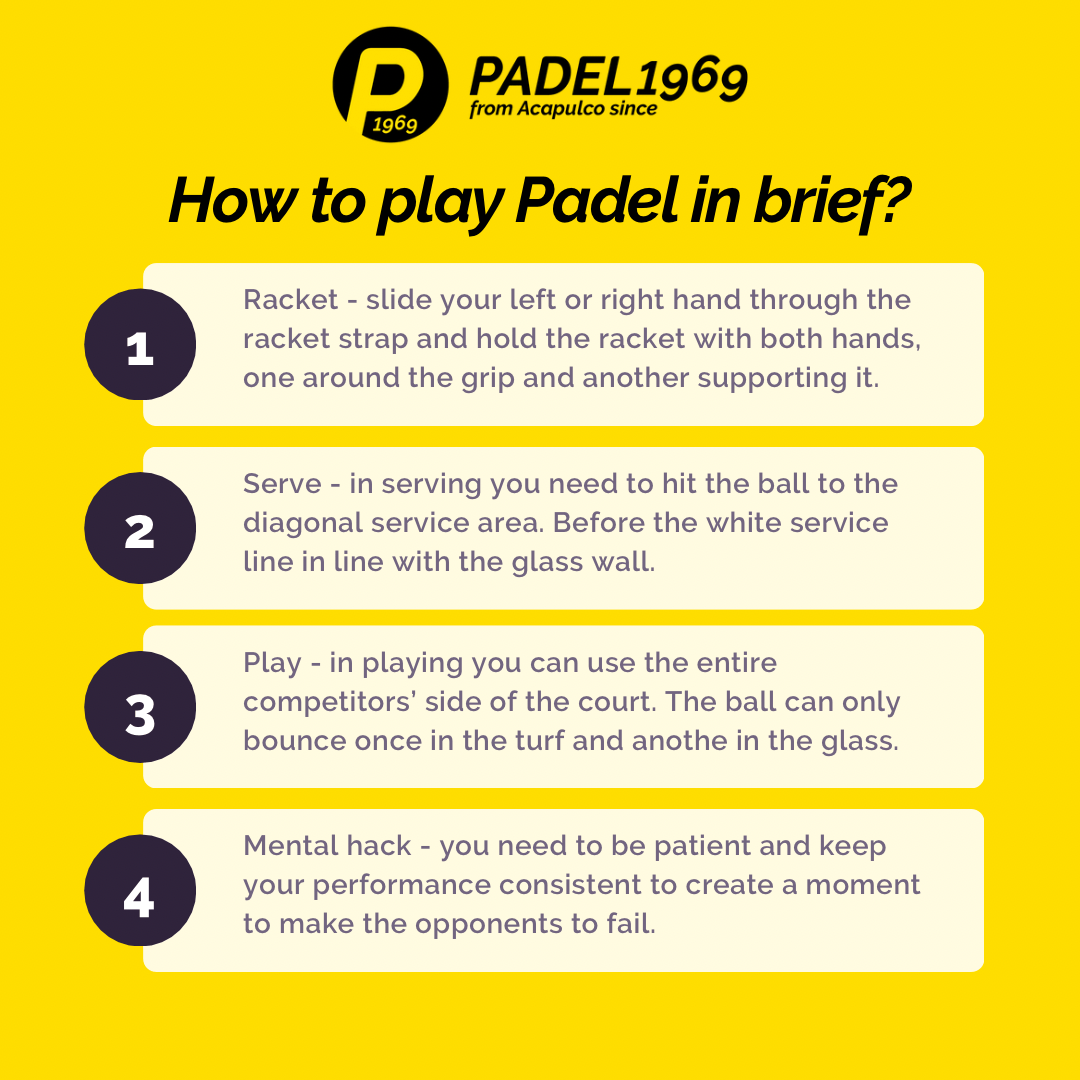
Service must be made from behind the baseline and must bounce once before hitting. Returns must follow the same rules, respecting the boundaries of the court.