Padel etiquette guidelines for respectful play on the court are crucial for a positive and enjoyable experience for all players. These guidelines cover everything from pre-game procedures to post-game sportsmanship, ensuring fair play and a pleasant atmosphere. Understanding and following these rules will enhance your game and promote a welcoming environment for everyone on the court.
This guide dives deep into the nuances of padel etiquette, outlining key principles and providing practical examples to illustrate appropriate and inappropriate behavior. From court management to player interaction, we explore how respectful play can transform your padel experience. Learn how to handle disagreements, demonstrate sportsmanship, and maintain a positive atmosphere throughout your matches.
Introduction to Padel Etiquette
Padel etiquette encompasses the rules and guidelines that govern respectful and considerate play on the padel court. It’s more than just following the official rules; it’s about creating a positive and enjoyable experience for all players involved. A well-maintained atmosphere of sportsmanship fosters camaraderie and encourages players to return for future matches.Understanding and practicing padel etiquette is crucial for a positive playing experience.
It ensures a fair, enjoyable, and harmonious atmosphere for everyone on the court. By adhering to the core principles of respectful play, players contribute to a positive and inclusive padel community.
Core Principles of Respectful Play
Respectful play in padel hinges on several key principles. These principles prioritize the enjoyment and safety of all participants, fostering a positive and inclusive environment. Players should demonstrate courtesy, consideration, and a commitment to fair play. This translates into a more pleasant and rewarding experience for everyone.
Key Areas of Padel Etiquette
Understanding the various aspects of padel etiquette is crucial for maintaining a positive playing environment. The table below Artikels key areas and provides examples of good and poor etiquette.
| Aspect | Description | Example Behavior | Consequences of Poor Etiquette |
|---|---|---|---|
| Court Management | Maintaining a clean and organized court area is vital. This includes clearing debris and ensuring the court is free of obstructions. | Players quickly clear their used towels and any dropped equipment. They ensure their footwear is appropriate for the court. | Leaving trash on the court can affect others’ play and safety. Unnecessarily slow court preparation delays subsequent matches. |
| Ball Play | Players should respect the ball’s trajectory and avoid actions that disrupt others’ play or put them at risk. | Players call ‘out’ balls that are clearly outside the court boundaries. They avoid interfering with the other team’s play. | Ignoring or arguing about obvious out-of-bounds balls disrupts play and creates frustration. Intentionally hitting the ball into another player or their equipment is unacceptable. |
| Player Interaction | Friendly communication and mutual respect are essential. Players should refrain from disrespectful or aggressive behavior. | Players acknowledge each other’s shots with a “good shot” or “nice volley”. They refrain from shouting or making negative comments during play. | Arguing with the umpire or other players about calls disrupts the flow of play and spoils the experience for everyone. Making personal insults or using inappropriate language is completely unacceptable. |
Pre-game and during play etiquette
Respectful play in padel involves more than just hitting the ball. It encompasses a framework of pre-game courtesies and in-game conduct that ensures a positive experience for all players. A focus on these aspects creates a more enjoyable and harmonious atmosphere for everyone on the court.Proper etiquette is crucial for a smooth and enjoyable padel match. It fosters sportsmanship, mutual respect, and creates a positive environment for both players and spectators.
Observing these guidelines contributes to the overall success of the game.
Pre-game Procedures
Players should arrive on time for their match. Punctuality demonstrates respect for the time of their opponents and the court availability. Before the match begins, it is good practice to introduce yourself and your partner to your opponents and wish them good luck. A brief handshake or a polite nod signifies a willingness to engage in a fair and friendly competition.
This sets a positive tone for the entire match.
Ball Handling and Court Movement
Maintaining a clear path on the court for all players is vital. Players should avoid obstructing their opponents’ play by carefully positioning themselves and not moving in a way that hinders their visibility or their ability to play. Players should also make an effort to retrieve dropped balls quickly. This minimizes interruptions to the flow of play and ensures that the match continues efficiently.
Communication with Partners and Opponents
Clear and respectful communication is essential during play. This includes giving clear instructions to partners, such as the target area of the shot, and reacting appropriately to feedback. Effective communication with opponents is equally important. Friendly and neutral communication helps to maintain a positive environment and reduce misunderstandings. Avoid aggressive or disrespectful language.
Examples of Positive Communication Strategies, Padel etiquette guidelines for respectful play on the court
“Great shot!” or “Good return!” are simple yet effective ways to acknowledge an opponent’s skill. A simple “Let’s play!” before the start of a match is a friendly way to begin the game. When making a mistake, acknowledging it (“Sorry about that!”) is crucial for a respectful atmosphere.
Table: Appropriate vs. Inappropriate Behavior During Play
| Appropriate Behavior | Inappropriate Behavior |
|---|---|
| Acknowledging a good shot by your opponent with a compliment. | Making disparaging remarks about your opponent’s play. |
| Quickly retrieving a dropped ball. | Leaving a dropped ball on the court, obstructing play. |
| Communicating clearly with your partner about strategy. | Yelling or arguing with your partner or opponent. |
| Waiting for your turn before playing. | Interrupting your opponent’s play. |
| Returning the ball as quickly as possible. | Delaying play intentionally. |
Post-game etiquette and sportsmanship
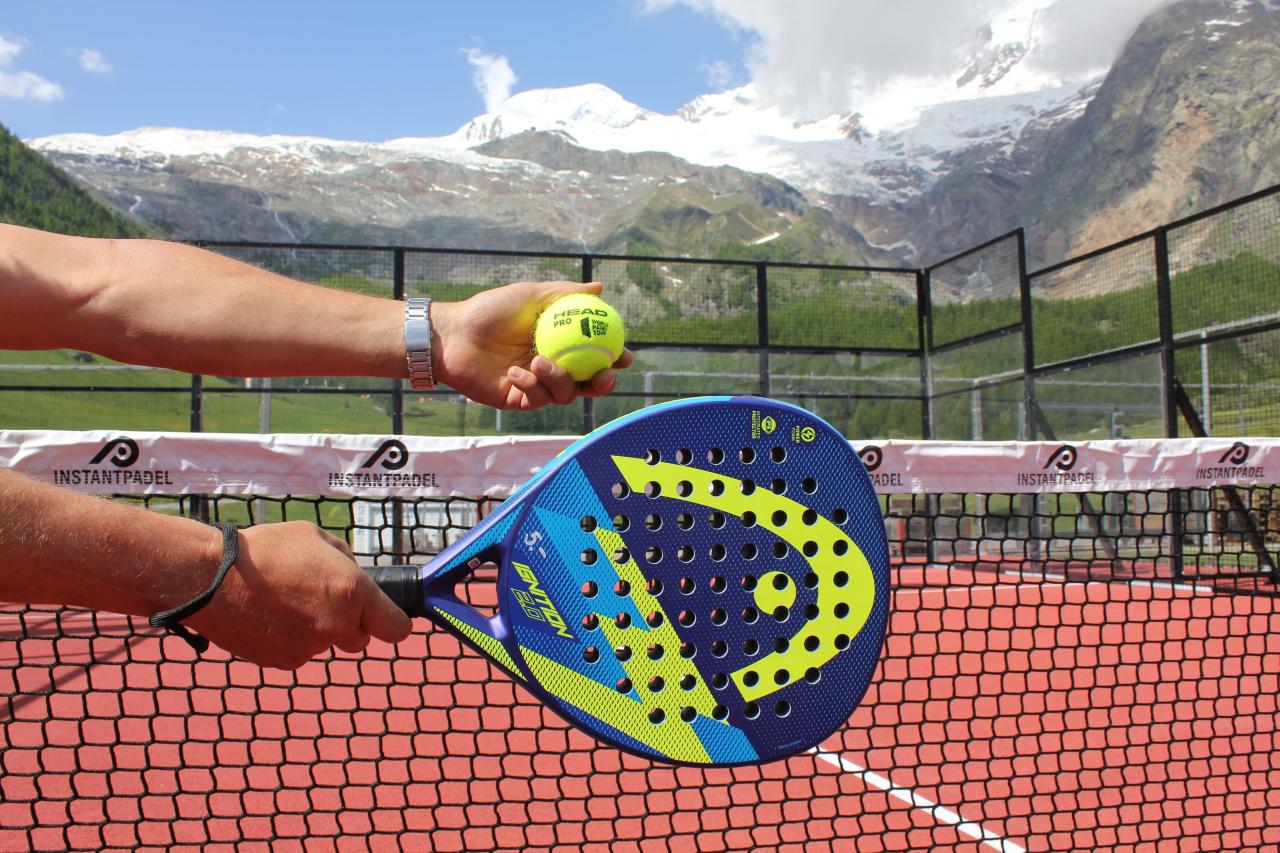
A crucial aspect of any sport, including padel, is the behavior exhibited after the match. Respectful interactions with opponents, teammates, and officials contribute significantly to a positive and enjoyable experience for everyone involved. This extends beyond the final score, fostering a spirit of fair play and camaraderie.
Importance of Respectful Behavior Post-Game
Post-game etiquette demonstrates sportsmanship and fosters a positive atmosphere. It reinforces the idea that the game is about more than just winning or losing; it’s about engaging in a friendly competition with mutual respect. Showing respect to opponents, regardless of the outcome, cultivates a positive image of the sport and encourages others to participate in a pleasant manner.
Appreciating Opponents
Acknowledging the effort and skill of opponents, even when the outcome isn’t favorable, is essential. A simple “good game” or “well played” conveys appreciation for the experience and the other team’s performance. It shows respect for their dedication and strengthens the camaraderie of the sport.
Accepting Results and Congratulating Winners
Accepting the results of the game is a fundamental part of sportsmanship. Whether one wins or loses, gracefully accepting the outcome with sportsmanship is crucial. Congratulating the winning team reinforces the competitive spirit and demonstrates a positive attitude. This fosters a culture of respect and appreciation within the padel community.
Examples of Excellent Post-Game Etiquette
| Action | Explanation | Example |
|---|---|---|
| Shake hands with opponents | A fundamental gesture demonstrating respect and acknowledgment of the other players’ efforts. | “Good game!” followed by a firm handshake with both opponents. |
| Offer congratulations to the winners | A sign of respect and recognition for their victory. | “Congratulations on the win!” |
| Acknowledge the referees/umpires | Showing respect for the individuals responsible for maintaining fair play. | A simple “thank you” or nod of acknowledgement to the referee. |
| Refrain from arguing with opponents or officials | Maintaining composure and a professional demeanor, even in instances of disagreement. | Avoiding verbal confrontations and keeping the discussion respectful. |
| Offer help if needed | Demonstrating consideration and assisting opponents if they require any assistance, like fetching equipment or arranging for transportation. | Offering a helping hand to opponents with equipment or arranging for transportation, if needed. |
Specific Scenarios and Etiquette Guidelines: Padel Etiquette Guidelines For Respectful Play On The Court
Respectful play is crucial for a positive padel experience for everyone. Understanding how to handle various situations on the court ensures smooth gameplay and fosters a welcoming atmosphere. This section Artikels common scenarios and provides clear etiquette guidelines to navigate them effectively.
Ball in Doubtful Position
Players often encounter situations where the ball’s position is unclear, either because of a fast-paced game or a particular court layout. Precise judgment is required to determine whether the ball is in or out of bounds, especially when close to the lines.
- Clear Communication: If the position is unclear, communicate with your opponent. Ask if they saw the ball land in or out. If the call is still uncertain, agree on a decision rather than arguing or delaying the game.
- Fair Play: When in doubt, err on the side of caution. If you’re unsure if the ball landed in or out, assume it’s in play and play the point. The same principle should apply if you believe the ball is in bounds but the opponent disagrees.
- Example: Player A hits a shot near the sideline. Player B is unsure if it landed in or out. Player A says, “I think it was out.” Player B responds, “I’m not sure, let’s play it as in.” Both players continue the point.
Obstruction of the Court
Players need to be mindful of the movement of their teammates and opponents. An unexpected obstruction, such as a sudden movement or a stray object, could cause a point to be replayed or disrupt the flow of the game.
- Awareness and Consideration: Maintain a safe distance from teammates and opponents, particularly when in motion or approaching the ball.
- Preemptive Action: If you anticipate that your movement might interfere with another player, give them ample warning or adjust your trajectory to avoid the collision.
- Example: If Player A anticipates a volley from Player B, they should move out of the way rather than collide or potentially impede Player B’s play. If there’s a stray object on the court, call it to the attention of the other players or the referee.
Injured Player
Unfortunately, injuries can occur during play. Padel etiquette dictates how to respond to these situations.
- Immediate Assistance: If a player is injured, offer immediate assistance. If necessary, suggest they seek medical attention.
- Compassion and Patience: Understand that injuries can disrupt the flow of the game. Be patient and allow the injured player time to recover or seek assistance.
- Example: If Player A strains a muscle during a rally, Player B should offer immediate assistance and suggest they sit down or seek medical help. If Player A is hurt, the other players and referee should pause the game.
Table of Common Scenarios and Etiquette Guidelines
| Scenario | Guideline | Example |
|---|---|---|
| Ball in doubtful position | Communicate with your opponent and agree on a decision. | “I think it was out, are you sure?” |
| Obstruction of the court | Maintain a safe distance and avoid collisions. | Move out of the way of an approaching opponent. |
| Injured player | Offer immediate assistance and suggest medical attention if needed. | “Are you okay? Let’s take a break.” |
Etiquette for Different Playing Levels
Respectful play on the padel court transcends skill levels. Understanding and adapting etiquette to the experience of fellow players fosters a positive and enjoyable experience for everyone. This section Artikels how to navigate different skill levels with consideration and sportsmanship.Experienced players often bring valuable insights and techniques to the game, but beginners also deserve a fair and supportive environment.
The following sections will delineate how to approach different playing levels with respect and consideration.
Beginner Player Etiquette
Beginners often require more time to master the intricacies of the game. Patience and understanding are key.
- Allow Ample Time for Setup: Give beginners ample time to prepare their shots and positions. Avoid rushing them or interrupting their practice.
- Offer Guidance, Not Criticism: If you see a beginner struggling, offer helpful suggestions rather than harsh criticism. Focus on positive reinforcement and constructive feedback.
- Avoid Complex Strategies: Keep plays relatively simple. Beginners may not have the technical skill to adapt to complex strategies.
- Encourage Participation: Encourage the beginner to participate in the play and not feel intimidated by more experienced players.
- Maintain a Relaxed Atmosphere: A relaxed and encouraging atmosphere fosters learning and reduces pressure.
Intermediate Player Etiquette
Intermediate players are developing their skills. Maintaining a balance between supporting beginners and competing effectively is vital.
- Offer Constructive Feedback: Intermediate players often benefit from constructive feedback. Provide guidance without being overly critical. Focus on specific areas for improvement.
- Adapt Play Style: Be adaptable in your play style. Sometimes, adjusting your approach can make the game more enjoyable for an intermediate player.
- Maintain a Positive Attitude: A positive attitude is contagious. Maintain a supportive atmosphere for all players.
- Avoid Overly Aggressive Play: Aggressive play may overwhelm or intimidate intermediate players. Maintain a fair and respectful demeanor.
- Be patient when your opponent is in the learning process. Allow time for mistakes and improvement.
Advanced Player Etiquette
Advanced players often bring a high level of skill and experience. Their etiquette should reflect their expertise.
- Lead by Example: Advanced players should model good sportsmanship and respect for all players. This includes demonstrating proper technique and maintaining a professional demeanor.
- Maintain Respectful Communication: Communication should remain respectful and avoid unnecessary aggression, even in competitive situations.
- Be mindful of beginners or less experienced players: Advanced players should avoid displaying superior attitude and instead focus on playing fairly.
- Adapt play style to other players’ level: Advanced players should be mindful of their playing style to be fair and create a positive atmosphere.
- Acknowledge and appreciate the contribution of all players: Recognize the efforts of all players, regardless of skill level.
Hierarchical Approach to Etiquette
The hierarchical approach to etiquette emphasizes a progressive understanding of the rules and standards across different skill levels. Beginners need the most support, intermediate players benefit from constructive guidance, and advanced players demonstrate respect by leading by example. This structure emphasizes a continuum of respect and understanding.
| Skill Level | Key Etiquette Focus |
|---|---|
| Beginner | Patience, encouragement, simplified play |
| Intermediate | Constructive feedback, adaptable play style |
| Advanced | Respectful communication, leading by example |
Role of the Referee or Umpire
The referee plays a crucial role in maintaining fair play and ensuring adherence to padel etiquette on the court. Their presence is vital for resolving disputes, upholding the spirit of the game, and guiding players towards respectful conduct. They act as impartial mediators, ensuring that the match progresses smoothly and that all participants enjoy the experience.The referee’s responsibility extends beyond simply calling points.
They are tasked with proactively addressing issues that might arise, preventing escalating conflicts, and guiding players towards understanding and adhering to the established etiquette guidelines. This proactive approach is key to maintaining a positive and enjoyable atmosphere for everyone involved in the match.
Referee Responsibilities in Enforcing Etiquette
The referee is responsible for interpreting and enforcing the padel etiquette rules, ensuring fair play, and maintaining a positive atmosphere. Their actions should be guided by a consistent application of the rules and a focus on promoting sportsmanship. They are not simply arbiters of the game, but also educators and mediators, ensuring a smooth and enjoyable experience for all participants.
Examples of Referee Actions to Enforce Etiquette
- Verbal Warnings: The referee can issue verbal warnings to players who are exhibiting unsportsmanlike conduct, such as arguing with the umpire, distracting opponents, or showing poor sportsmanship towards the opposing team.
- Point Penalty: A point penalty can be imposed for more serious violations, such as unsportsmanlike conduct or intentional interference with play. This serves as a deterrent and reinforces the importance of proper etiquette.
- Game Penalty: More severe violations, like repeated unsportsmanlike conduct or blatant disregard for the rules, might result in a game penalty, removing a player or team from the match. This ensures the match remains fair and promotes respectful behavior.
- Match Disqualification: In extreme cases, persistent and egregious violations of etiquette or rules can lead to disqualification from the match.
Respect for Referee Decisions
“Referee decisions, while subject to human error, should be respected as a vital component of maintaining fair play.”
Players should accept the referee’s decisions, even when they disagree. Arguing with or disrespecting the referee’s judgment undermines the authority of the position and creates a disruptive environment. A respectful attitude toward the referee fosters a positive and constructive atmosphere.
Comparing Refereeing Approaches and Impact on Etiquette
| Approach | Impact |
|---|---|
| Proactive and Educative | Encourages respectful behavior, addresses issues early, fosters a positive atmosphere, and promotes understanding of etiquette. |
| Reactive and Punitive | May lead to more conflict and potentially less respect for the referee, with a greater focus on punishment than education. |
| Consistent and Fair | Promotes a sense of fairness and equality, making players feel confident that rules are applied objectively, thereby enhancing respect for the game and its officials. |
Illustrative examples of good and bad etiquette

Understanding and applying padel etiquette is crucial for a positive and enjoyable experience for all players. This section provides concrete examples of good and bad etiquette, demonstrating how different behaviors affect the game atmosphere. By observing these examples, players can learn to cultivate respectful and fair play.
Scenario demonstrating excellent padel etiquette
Players Maria and David are engaged in a friendly match. Maria accidentally hits the ball out of bounds, causing a slight delay in play. Instead of getting frustrated, she apologizes to David and promptly signals the line judge. David, recognizing the unintentional error, acknowledges the apology and continues the game. Both players maintain a positive and respectful tone throughout the match.
This highlights the importance of acknowledging mistakes and maintaining sportsmanship.
Scenario highlighting poor etiquette on the court
During a match between Carlos and Ben, Carlos repeatedly complains about the quality of the court surface, even though it is not causing any significant issues. His constant complaints distract Ben and create a negative atmosphere. Ben, while initially trying to ignore the complaints, eventually becomes annoyed and loses focus, affecting his game. This example underscores how negativity and unsportsmanlike behavior can disrupt the game and negatively impact the other players’ experience.
How different behaviors affect the atmosphere of the game
Positive interactions, such as apologies for unintentional errors and acknowledging the efforts of opponents, create a supportive and enjoyable atmosphere. Conversely, constant complaining, arguing with the umpire, or disrespecting opponents create a tense and unpleasant environment. The tone of the game directly correlates with the attitudes and behaviors of the players involved.
Descriptive details of good etiquette
Good etiquette in padel involves acknowledging mistakes, apologizing for unintentional errors, and respecting the referee’s decisions. It also includes maintaining a positive tone, showing courtesy to opponents, and supporting a fair and enjoyable game for everyone. Players who practice good etiquette contribute to a positive atmosphere and set a good example for others.
Descriptive details of bad etiquette
Bad etiquette in padel includes constant complaining, arguing with the umpire, and showing disrespect towards opponents. It also involves deliberately delaying the game or intentionally playing in a way that disrupts the flow of play. Players exhibiting bad etiquette negatively impact the game atmosphere and create an unpleasant experience for themselves and others.
Positive and negative effects of each example
The scenario with Maria and David exemplifies positive etiquette. Their respect and sportsmanship fostered a positive and enjoyable game experience for both. In contrast, Carlos’s behavior negatively affected the atmosphere of the game. His constant complaining and negativity disrupted the game’s flow and created tension.
Final Summary
In conclusion, padel etiquette guidelines are essential for creating a respectful and enjoyable experience for all players. By understanding and applying these guidelines, you can contribute to a positive atmosphere on the court, fostering camaraderie and sportsmanship. From pre-game preparations to post-game interactions, every aspect of the game benefits from adherence to these rules. Remember, respectful play benefits everyone involved.
Top FAQs
What should I do if I accidentally hit the ball into someone’s water bottle?
Apologize sincerely and offer to replace the water bottle if possible. A simple “sorry about that” goes a long way.
How do I handle a disagreement with an opponent about a call?
Discuss the call calmly and respectfully with your opponent. If the issue persists, defer to the referee or umpire.
What is the proper way to congratulate opponents after a game?
Acknowledge your opponent’s effort and congratulate them on a well-played game. A simple “good game” or “well played” demonstrates sportsmanship.
What are the consequences for repeatedly breaking etiquette rules?
Repeated violations may result in warnings or even penalties from the referee or umpire. Consistent respect for etiquette is vital for a positive experience for all.